

The frontal hairline is the first thing that catches attention in both men and women. When hair is lost in this area, some people turn to frontal hairline transplantation as a solution. But how is this procedure performed? What are its advantages and benefits? And what is required for recovery afterward? In this article, we will cover all the details about frontal hairline transplantation and answer these questions. Stay with us.
What is the frontal hairline
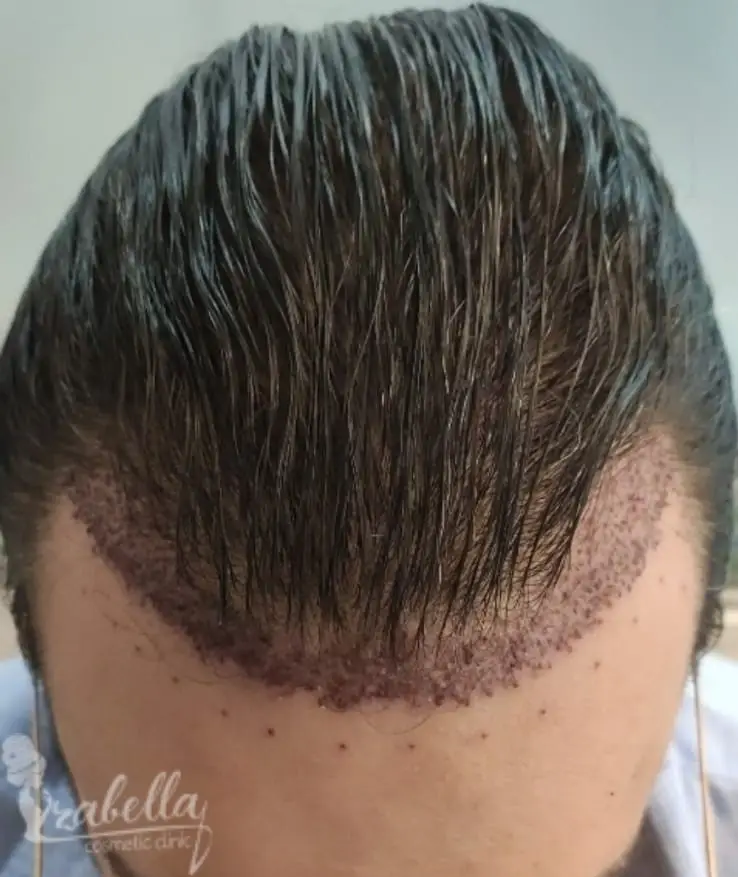
The frontal hairline is the line that marks the beginning of hair growth on the upper forehead. Its position varies from person to person; some have a short distance between their eyebrows and hairline, while others have a larger gap.
A receding frontal hairline occurs when hair thins or falls out at the front of the scalp, causing the hairline to gradually move backward. This is different from individuals who naturally have a high forehead due to genetic factors rather than hair loss.
Many people consider a shorter distance between the frontal hairline and the eyebrows to be more aesthetically pleasing, as it enhances the overall appearance of the hair.
Why Does Hair Fall Out from the Front Hairline
The front hairline is often one of the first areas where hair begins to thin or fall out in many cases. The causes of hair loss in this area vary and can include genetic factors, health conditions, and lifestyle habits. The most common reasons include:
- Poor mental health, such as stress, depression, or high levels of anxiety.
- Androgenetic alopecia, or typical male-pattern baldness.
- The use of harsh chemical products on the front of the scalp.
- Hereditary baldness and early-onset hair loss.
- Certain medical conditions and health issues.
- Hair styling practices that involve tight pulling or prolonged tying.
- Female-pattern baldness.
The impact of these factors differs from person to person, leading to variations in the severity and rate of hair loss.
What Cases Require Front Hairline Transplantation
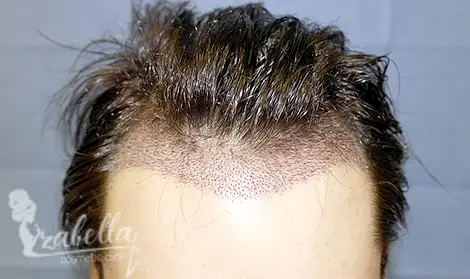
Anyone experiencing a receding or thinning front hairline can consider a hair transplant to address this issue. However, it is important to ensure that the person is medically and physically suitable for the procedure, has reached the appropriate age for hair transplantation, and does not have any health conditions that could prevent the surgery. Front hairline transplantation can be performed for both men and women, as the procedure is not limited to any specific gender or group.
Front Hairline Hair Transplant Procedure
The front hairline transplant is carried out through the following steps:
- The frontal scalp area is numbed, and the new hairline is designed and marked in relation to the person’s existing hairline. The donor area, usually located at the back of the head, is also numbed.
- Using the Follicular Unit Extraction (FUE) technique, which is preferred by most patients, the doctor extracts hair follicles from the donor area with a specialized tool or pen.
- Very fine incisions are made in the recipient area where the hair will be transplanted.
- The extracted follicles are implanted into these tiny incisions, one by one.
Recovery After Front Hairline Transplant
After undergoing a front hairline transplant, it is normal and expected to experience some temporary side effects, such as redness, tingling, mild pain, and sometimes slight swelling. These symptoms typically begin to subside during the first few days after the procedure, especially when following the doctor’s instructions and recommendations, which include:
- Keeping the head elevated during the recovery period and avoiding bending or lowering it to prevent pressure.
- Refraining from washing the scalp or exposing it to water or moisture until the doctor allows it.
- Following the doctor’s instructions carefully if any medications are prescribed, adhering to the recommended dosage and schedule.
- Wearing the bandage if the doctor advises, and not removing it until permitted.
- Avoiding wearing anything on the head during the growth of the new hair.
Advantages of Front Hairline Transplant
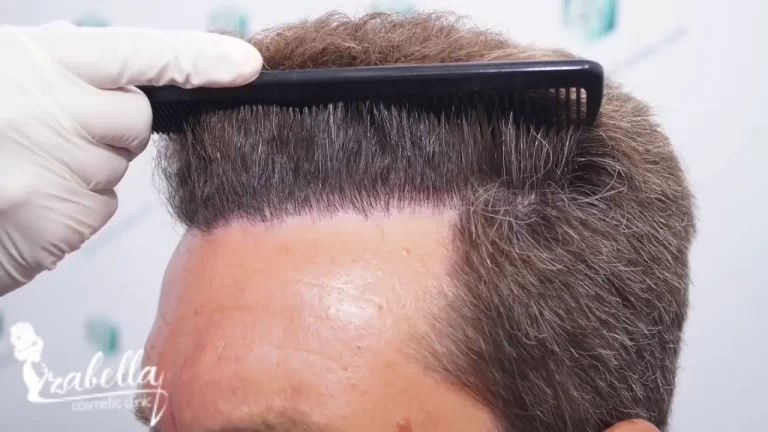
A front hairline transplant offers numerous benefits, including:
- Permanently addressing front hair loss or baldness.
- Achieving a completely natural appearance using your own hair.
- Providing long-lasting results rather than just temporary solutions.
- Reducing the width of the forehead by restoring the hairline to its original shape.
- Serving as an effective solution for both men and women.
Is a Front Hairline Transplant Painful
Many people worry about severe pain during a front hairline hair transplant procedure. In reality, the procedure is performed under local anesthesia, which greatly minimizes discomfort. Typically, any mild pain experienced by the patient lasts only a day or two and is generally manageable. Pain relief medication can also be prescribed by the doctor if needed.
Dear readers, now that we have covered the process and benefits of a front hairline transplant, along with essential recovery tips, feel free to contact us if you wish to book an appointment or have any further questions. We will be happy to assist you.

