

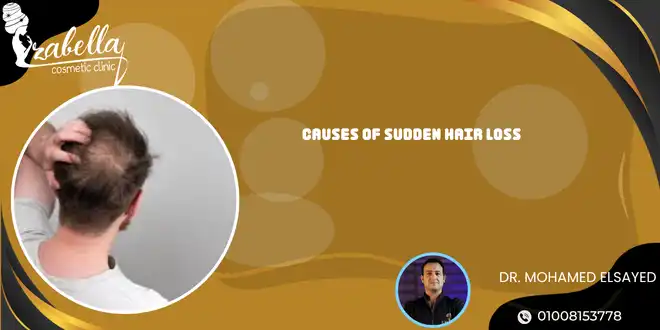
Sudden hair loss is a concern that troubles many people, as it can occur unexpectedly and progress rapidly, causing frustration and stress for both men and women.
The causes of this issue vary, ranging from health conditions and hormonal changes to psychological stress and poor nutrition. Therefore, understanding the potential reasons is essential to determine the most effective treatment approach.
In this article, we will explore the main causes of sudden hair loss, along with the key symptoms that accompany it and how to manage it effectively.
What is meant by sudden hair loss
Hair loss is a natural part of the hair growth cycle, as hair follicles go through different stages that ultimately lead to the shedding of some hair each day. However, when hair loss is severe and unusual, it may indicate a condition known as sudden hair loss, which can result from health issues such as telogen effluvium or hereditary alopecia.
These conditions are characterized by rapid and noticeable hair loss, which may occur in specific areas of the scalp, often causing concern for those affected.
What are the causes of sudden hair loss
Genetic factors are among the most common causes of sudden hair loss, but there are many other factors that can contribute to the problem, including:
Alopecia Areata
Alopecia areata is classified as an autoimmune disease, in which the immune system mistakenly attacks the hair follicles, treating them as foreign bodies. This causes the follicles to shrink and stop producing hair. As a result, affected individuals experience sudden hair loss, usually appearing as smooth, round patches on the scalp that can be the size of a coin or larger.
This condition can be hereditary, passing through family members, and can affect people of any age, though it most often appears in individuals under the age of 20.
Also read: Patterns of hereditary hair loss in women
Telogen Effluvium (Stress-Induced Hair Loss)
Telogen effluvium is a type of hair loss that does not leave any scars on the scalp and often occurs after exposure to stressful conditions. This condition can lead to noticeable hair shedding, with some individuals losing up to 500 hair follicles per day.
The shedding usually appears suddenly and in larger amounts than normal, making it easy to notice strands of hair on pillows or while brushing. Several factors can trigger telogen effluvium, including:
- Pregnancy and childbirth
- Severe infections or high fever
- Thyroid disorders
- Deficiency of essential nutrients such as iron
- Malnutrition or sudden weight loss
- Experiencing significant blood loss
- Undergoing major surgery or dealing with chronic illnesses
- Extreme stress or psychological pressure
- Protein deficiency or an unbalanced diet
- Certain medications, such as contraceptives, anticoagulants, and anti-seizure drugs
If you are experiencing sudden hair loss, it is advisable to consult a specialist to identify the cause and take appropriate measures for treatment.
Also read: The Reason for Hair Loss When Pulled
Skin Conditions
Certain skin problems can lead to sudden hair loss. Some of the most common conditions include:
- Psoriasis: Excessive buildup of skin cells on the scalp, which can weaken hair follicles.
- Dandruff: Can affect scalp health and cause inflammation that leads to hair loss.
- Scalp Ringworm: A fungal infection of the scalp that results in round, bald patches.
- Impetigo: A bacterial skin infection that can cause inflammation and hair loss in the affected areas.
- Discoid Lupus Erythematosus: An autoimmune disease that attacks hair follicles, leading to hair loss.
Trichotillomania (Hair-Pulling Disorder)
This behavioral disorder is more common among teenagers. It causes an irresistible urge to pull out hair, resulting in abnormal hair loss. It may also be linked to other psychological conditions such as obsessive-compulsive disorder, depression, and anxiety.
Certain Chronic Diseases
Some health conditions can directly affect the hair growth cycle, causing hair loss, including:
- Polycystic Ovary Syndrome (PCOS)
- Menopause
- Diabetes
- Obesity
- Heart disease
Excessive Hair Care
Overdoing hair care can be a major cause of hair weakening and loss due to:
- Excessive use of chemical products like dyes and hair straightening treatments.
- Overuse of heat styling tools, including hair dryers and flat irons.
- Harsh chemical hair treatments, which can lead to “traction alopecia,” where hair follicles are damaged from constant tension.
If you are experiencing sudden hair loss, it is best to consult a specialist to identify the underlying cause and develop an appropriate treatment plan to maintain healthy hair.
Symptoms of Sudden Hair Loss
The signs of sudden hair loss vary depending on the underlying cause. Hair shedding may be noticeable only on the scalp or may extend to other areas of the body. The loss can occur gradually or happen abruptly. In some cases, you might notice an unusually high amount of hair falling out, or the fallen hair may appear short or broken.
Methods for Treating Sudden Hair Loss
Hair loss treatment for unexpected hair loss depends on identifying the underlying cause and addressing it appropriately. Available solutions include:
- Addressing underlying health issues that contribute to hair loss. Recovery from these conditions or controlling the causative infection can help reduce shedding.
- Correcting vitamin and mineral deficiencies, such as iron and vitamin B12, through dietary changes or supplements.
- Using targeted treatments for specific conditions, like alopecia, which may involve anti-inflammatory medications such as corticosteroids, available as topical injections, creams, or oral tablets.
- Taking medications that help slow down or stop hair loss, which should always be used under medical supervision.
- Discontinuing certain medications that may have side effects leading to hair loss, after consulting with a doctor.
If you experience sudden or unexplained hair loss, it’s best to consult a specialist to accurately diagnose the condition and prescribe the appropriate treatment to restore healthy hair growth.
How to Prevent Sudden Hair Loss
Although most cases of sudden hair loss cannot be completely prevented, there are several steps that may help maintain hair strength and health for as long as possible. Some habits to avoid in order to reduce hair loss include:
- Tight hairstyles such as braids, buns, or ponytails, as they place constant tension on the hair follicles.
- Rough handling of hair, including frequent bending, pulling, or plucking.
- Using scented products that contain chemicals which can weaken hair roots and lead to shedding.
- Excessive exposure to heat from styling tools like hairdryers or flat irons.
Overexposure to ultraviolet (UV) rays, whether from direct sunlight or tanning devices, as these can weaken follicles and accelerate hair damage.
Additional Tips for Maintaining Healthy Hair
In addition to avoiding harmful habits, the following steps can help reduce the likelihood of hair loss:
- Quitting smoking, since it weakens blood circulation and affects the nourishment of hair follicles.
- Following a balanced diet rich in nutrients essential for hair health, such as eggs, berries, avocado, and nuts, which contain compounds that strengthen hair.
- Taking vitamins that support hair growth, including vitamin A, vitamin C, biotin, and vitamin B12, which help fortify follicles and stimulate growth.
Paying attention to these healthy practices can help minimize the risk of hair loss and keep hair strong and vibrant.
Frequently Asked Questions
Can sudden hair loss be completely prevented
Sudden hair loss cannot be entirely prevented in all cases, as some factors are beyond control, such as genetics or certain medical conditions. However, its likelihood can be reduced by maintaining a healthy lifestyle, taking good care of your hair, and avoiding harmful habits like excessive heat styling, severe stress, and poor nutrition. Early diagnosis of any underlying health issue can also help minimize hair loss and allow for timely treatment.
What are the best foods to strengthen hair
A diet rich in vitamins and minerals plays a key role in promoting hair health. Some of the best foods for strengthening hair include:
- Eggs: Packed with protein and biotin, essential for hair growth.
- Berries: Contain antioxidants that protect hair follicles.
- Avocado: Rich in vitamin E, which supports scalp health.
- Nuts (almonds, walnuts): Provide healthy fatty acids beneficial for hair.
- Spinach and leafy greens: Full of iron and folate necessary for hair growth.
- Fatty fish (salmon, sardines): Excellent sources of omega-3, which strengthen hair follicles.
- Legumes: Such as lentils and beans, supplying zinc and iron essential for hair growth.
When is hair loss a sign of a health problem
Hair loss becomes concerning if:
- It occurs suddenly and in large amounts without a clear reason.
- It is accompanied by symptoms like itching, redness, or bald patches.
- It is linked to known health issues such as thyroid disorders, anemia, or vitamin deficiencies.
- It persists for a long time without improvement despite proper hair care and nutrition.
- It happens after taking certain medications, such as chemotherapy drugs, antidepressants, or birth control.
If you are experiencing severe or unexplained hair loss, it is best to consult a specialist to determine the cause and receive appropriate treatment. Don’t hesitate to contact us for solutions and care for your hair.

