

The causes of excessive hair loss vary from person to person, as they may result from genetic or non-genetic factors. For instance, hereditary baldness and alopecia are among the conditions that can lead to noticeable hair loss in both men and women, and in some cases may even cause patches on the scalp accompanied by inflammation. Therefore, it is essential to identify all the factors contributing to hair loss and explore appropriate treatment options to prevent the problem from worsening. In this article, we provide a comprehensive overview of these causes and how to deal with them so stay tuned to learn more.
What Causes Excessive Hair Loss
Heavy hair loss can result from a variety of factors, including the following:
- Chemical exposure: Some hair care products, such as dyes and chemical straighteners, contain harsh ingredients that can damage the hair, leading to breakage and noticeable shedding.
- Genetics and hereditary baldness: Genetic hair loss is one of the leading causes of excessive shedding. It occurs due to hormonal changes, particularly involving testosterone, which leads to the shrinking of hair follicles. Hereditary factors play a major role in this condition.
- Hair-pulling behavior: Some individuals develop a habit of pulling or twisting their hair, whether from the scalp or areas like the eyebrows and eyelashes. This behavior is often linked to stress or psychological pressure.
- Alopecia: Alopecia can cause patchy hair loss and visible bald spots, often accompanied by itching and inflammation of the scalp, which contributes to significant hair shedding.
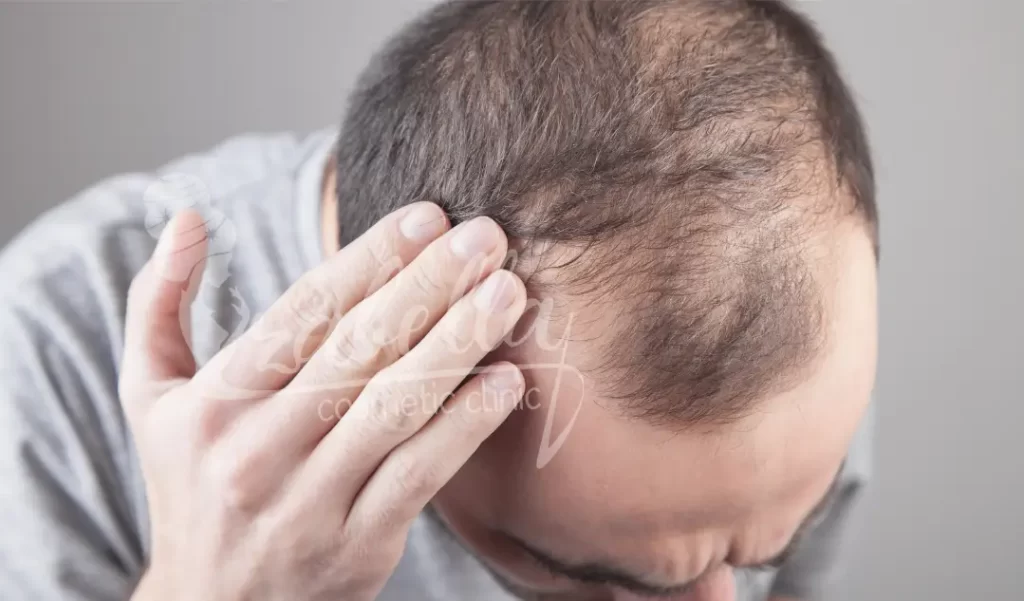
Causes of Excessive Hair Loss from the Roots
There are several factors that can lead to hair loss from the roots, with stress-related hair loss and hormonal fluctuations being among the most common. Below are some other possible causes:
- Telogen effluvium: This type of hair loss often occurs after sudden weight loss or surgery. It is usually temporary and tends to improve over time.
- Hormonal changes: A drop in estrogen levels can result in noticeable hair shedding. This may be caused by the use of birth control pills, the postpartum period, or the onset of menopause.
- Thyroid disorders: People with thyroid problems frequently experience hair loss from the roots, whether due to an underactive or overactive thyroid gland.
Causes of Excessive Hair Loss in Women and Men
Genetic and androgenic hair loss: Hair loss linked to genetic and hormonal factors commonly known as androgenetic alopecia is one of the leading causes of significant hair shedding in both men and women. This type of hair loss is primarily driven by hereditary influences and can worsen with psychological stress, which stimulates the release of androgens. It is often more noticeable during the autumn and spring seasons.
Additional factors affecting hair loss:
- Low magnesium levels, a condition that may be more pronounced in individuals with a family history of hair loss.
- Repeated exposure to psychological stress or trauma.
Menopause. - Undergoing radiation or chemotherapy treatments that negatively affect the scalp.
Seasonal changes. - Aging, which weakens hair follicles, making hair more fragile, prone to breakage, and more likely to fall out from the roots.
Treatment for Excessive Hair Loss
After highlighting the main causes of excessive hair loss, here are some possible treatment options:
Treatment approaches vary depending on the hair type and the underlying cause of hair loss. Several strategies can help manage this condition, including:
- Adjusting prescribed medications if it is found that a particular drug contributes to hair loss.
Using specialized hormonal treatments to regulate hormone levels in the body.
Treating scalp infections or inflammation, such as fungal infections.
Applying topical medications that help slow down or treat hair loss, suitable for men, women, and children.
A Quick Way to Treat Excessive Hair Loss
There are many effective medical treatments that can help reduce severe hair loss and promote regrowth. Among the most notable options are:
Minoxidil
Minoxidil for hair is one of the most widely used medications for treating hair loss in both men and women. It works by:
- Stimulating new hair growth by activating dormant hair follicles
- Increasing hair density and helping fill in thinning areas of the scalp
- Effectively treating androgenetic alopecia (pattern hair loss)
It’s worth noting that minoxidil may sometimes cause unwanted hair growth in areas such as the forehead or neck, so it should be applied carefully to the scalp only. It is also not recommended to stop using it suddenly, as this may lead to renewed hair shedding.
Ketoconazole
Ketoconazole is known for its multiple benefits for hair health, as it helps to:
- Treat androgenetic alopecia thanks to its anti-inflammatory and antifungal properties
- Stimulate the growth of new hair follicles, contributing to improved hair density
- Enhance hair shine and vitality, making it look healthier and more attractive
If you would like to learn more about hair loss treatments, you can watch the following video with Dr. Mohamed El-Sayed.
Does Dandruff Cause Hair Loss
Dandruff does not directly cause significant hair loss. However, severe cases can lead a person to scratch the scalp aggressively, which may irritate and inflame it. Repeated inflammation can damage hair follicles, potentially slowing hair growth or even stopping it altogether.
Additionally, dandruff may trigger or worsen certain scalp conditions that contribute to hair loss, such as:
- Seborrheic dermatitis
- Eczema
- Scalp psoriasis
- Ringworm
Dandruff can arise from several factors, including:
- Dry skin
- Poor nutrition or dietary imbalances
- Stress and tension
- Using shampoos or hair care products that are unsuitable for your scalp
If you are experiencing dandruff, you can use Kerella solution to treat it and encourage the regrowth of hair that has been lost due to the condition.
What is the normal daily hair loss rate
Daily hair shedding is a natural phenomenon that occurs in both men and women, as it is part of the hair growth cycle. On average, a person loses between 50 and 100 hairs per day, which is considered normal and not a cause for concern.
Each hair goes through different growth stages: it starts with the growth phase (anagen), then enters the resting phase (telogen), and eventually falls out to make way for a new cycle, as long as the hair follicles remain active.
Hair loss is often less noticeable in people with short hair, while it appears more evident in those with long hair. They may notice it in the shower, on a hairbrush, or even on clothing.
Also read: Normal Hair Loss Rate
Are there seasons when hair loss increases
Some people experience seasonal hair shedding, noticing more hair loss during certain times of the year, particularly in the fall. During this period, the rate of hair loss can exceed the normal 100 to 150 hairs per day, due to climate changes and their effect on hair follicles and the scalp.
This happens because hair tends to enter the resting (telogen) phase during the summer, making it more prone to shedding in the following months, especially in October and November.
Does protein treatment cause excessive hair loss
Protein treatments do not directly cause hair loss. However, neglecting proper hair care after undergoing such treatments is the main reason hair becomes weak and brittle, which can eventually lead to shedding.
To maintain hair health after protein treatments, it is recommended to use care products rich in ingredients like soy protein, whey protein, and keratin. These help nourish the hair, strengthen it, and extend the longevity of the protein treatment.
Also read: When does hair loss stop after protein treatment
Which vitamin is linked to hair loss
Certain vitamins and minerals play a crucial role in collagen production and maintaining healthy hair, so a deficiency can lead to hair loss. Some of the most important ones include:
- Vitamin D: Its deficiency affects hair density, making hair more prone to thinning and shedding.
- Vitamin C: Essential for collagen production, which supports the health of hair and skin.
- Biotin (Vitamin B7): Promotes hair growth and reduces brittleness.
- Zinc: Low levels weaken hair structure and increase breakage.
- Iron: A key element in hemoglobin formation, which helps transport oxygen to hair follicles; a deficiency can cause gradual hair loss.
People experiencing hair loss due to vitamin deficiencies may also notice thinning of eyebrows and eyelashes, not just scalp hair.
Also read: Top 5 vitamins for treating hair loss

