



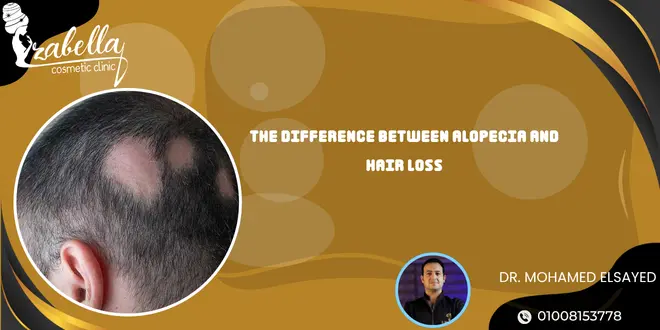
Often, hair problems can be similar, making it difficult to determine the cause of thinning or gaps on the scalp. One of the most common conditions that can be confused with regular hair thinning is alopecia, as some people find it hard to distinguish between the two. Here, Dr. Mohamed El-Sayed, a hair specialist in Egypt, explains the main differences and the most suitable treatment methods.
What is the Difference Between Alopecia and Regular Hair Gaps
Here are the main differences between alopecia and ordinary gaps in the scalp:
Hair Gaps Caused by Alopecia
Alopecia is an autoimmune condition in which the immune system attacks hair follicles, leading to hair loss in circular patches on the scalp. It can also appear in other areas of the body. Its symptoms include:
- Round or oval bald patches.
- Thinning and fragility of the remaining hair.
- No visible skin inflammation in the affected area.
Normal Hair Thinning
Here, hair thinning refers to a decrease in hair density or irregular hair loss caused by various factors, the most notable of which include:
- Hormonal changes in women, such as pregnancy or menopause.
- Psychological stress or poor nutrition, which are also common causes of hair thinning. The positive aspect is that hair health can often be restored once the underlying issue is addressed,
- whether through a proper, healthy diet or by reducing stress.
- Use of chemical treatments or certain medications.
The Difference Between Treating Alopecia and Hair Thinning
The treatment for alopecia differs from that of general hair thinning mainly in its causes and techniques. Alopecia is an autoimmune condition where the immune system attacks hair follicles, leading to hair loss in circular patches, whereas hair thinning may result from genetic factors or hormonal changes.
Watch Now: The Difference Between Genetic and Non-Genetic Baldness
Key Methods for Treating Alopecia
Treatment for alopecia mainly focuses on controlling excessive immune activity and stimulating hair follicles to grow again. The effectiveness of treatment varies depending on the severity of the condition and the patient’s response. Common approaches include:
Non-traditional treatments: These often include:
- Topical immunotherapy: This involves triggering a mild immune reaction on the scalp to attract the immune system to affected follicles, thereby promoting hair growth.
- Light therapy (PUVA): Ultraviolet light is used in certain stubborn cases to stimulate hair regrowth.
- Topical treatments: Corticosteroids, applied as creams or sprays, help reduce inflammation and suppress the overactive immune response. In some cases, corticosteroids are injected directly into affected areas for faster and more precise results. This should always be performed under the supervision of a hair specialist; we recommend Dr. Mohamed El-Sayed for this procedure.
- Hair transplantation as a solution for alopecia: When conventional treatments fail or areas are completely devoid of follicles, hair transplantation may be the most practical option for
- restoring natural hair. We recommend Isabella Center, one of the leading hair transplant clinics in Egypt, which uses advanced techniques to ensure optimal results.
See also: Does Cutting Hair Stop Hair Loss
How to Treat Hair Thinning and Gaps
Hair thinning or gaps are often caused by treatable factors if addressed promptly. Treatments focus on improving the health of existing follicles and stimulating growth in affected areas. Some effective methods include:
- Daily hair care: Use shampoos containing keratin and biotin to support hair health, while avoiding harsh chemicals like frequent hair dyes or heat treatments, as these can worsen the condition.
- Improved nutrition: Follow a balanced diet rich in essential nutrients such as iron, zinc, and vitamin D. Supplements may be added if hair loss is due to nutritional deficiencies, but always consult a doctor before starting any supplementation.

