

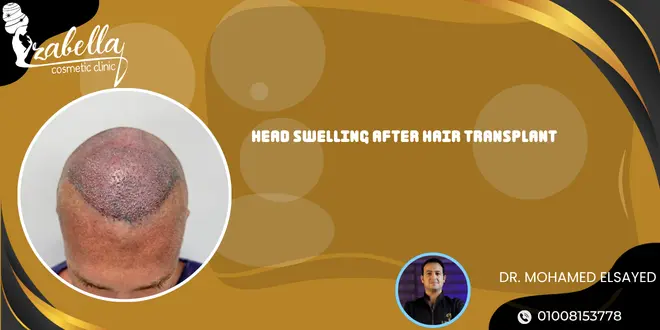
All patients undergoing hair transplant procedures may experience some side effects, such as swelling, scabbing, or infection. While hair transplants are generally considered safe, serious complications are extremely rare.
Swelling of the scalp after a hair transplant is normal during the first few days following the surgery, and it usually subsides gradually over time. If you are concerned about your condition or if the swelling persists unusually, it is recommended to consult the doctor who performed the procedure for an accurate assessment and further guidance.
Swelling of the Scalp After Hair Transplant Surgery
Swelling of the scalp after a hair transplant can occur for several reasons:
- Surgical intervention: During a hair transplant, hair is moved from the back or sides of the scalp to thinning areas. This surgical procedure can cause mild to moderate swelling of the scalp.
- Inflammation and stress from surgery: After the procedure, the scalp may experience inflammation and stress, leading to temporary swelling. The immune system responds to this intervention by releasing inflammatory substances.
- Fluid accumulation: Sometimes, fluids may collect in the surgical area due to the procedure, resulting in temporary swelling.
- Postoperative measures: Surgery may require postoperative steps, such as wrapping the head with a special bandage or wearing a compression cap, which can also contribute to temporary swelling.
Does swelling after a hair transplant indicate failure
Swelling after a hair transplant is rarely harmful. Usually, scalp swelling subsides within a few days without any lasting effects. However, in some cases, it may indicate a problem.
Avoid driving or operating heavy machinery if swelling significantly affects your vision, as this can be dangerous for you and others. Wait until the swelling subsides and your vision returns to normal before engaging in these activities.
If swelling is accompanied by pus, pain, or itching, it may be a sign of an infection at the transplant site. If the swelling persists for more than two to three weeks, you should contact your doctor.
Inform your surgeon before the procedure if you have severe allergies, as excessive inflammation and swelling can lead to hair loss in the donor area.
Incidence of Facial Swelling After Hair Transplantation
Swelling is one of the common side effects of hair transplant procedures, whether using the FUE or FUT techniques. Research indicates that about 42% of patients experience post-operative swelling, making it the most frequently reported adverse effect.
How to Manage Facial Swelling After a Hair Transplant
If you notice swelling on your forehead a few days after your hair transplant, it can affect your eyes and cause puffiness around the area. Here are some tips to help reduce facial swelling after the procedure:
Use Cold Compresses: Applying cold compresses can help reduce swelling by constricting blood vessels, which in turn minimizes puffiness around the eyes caused by forehead swelling.
Additional Techniques to Reduce Scalp Swelling
- Wear a Headband or Tape: This can prevent excess fluid from spreading to the cheeks and eye area.
- Apply Ice Packs: Ice helps constrict blood vessels and reduce inflammation.
- Elevate Your Head While Sleeping: Raising your head allows fluids to drain faster, reducing swelling.
Although these measures may be less effective than medications, some patients notice improvement in symptoms. The most effective way to manage scalp swelling after a hair transplant is to follow your surgeon’s post-operative care instructions carefully.
- Take Medications as Directed: Your doctor may prescribe steroid tablets after surgery. Drink plenty of water before, during, and after the procedure, as dehydration can worsen inflammation.
- Sleep at a 45-Degree Angle: This helps fluid drainage and prevents the transplanted hair from dislodging during sleep.
- Avoid Ibuprofen: Ibuprofen can cause water retention and increase swelling. Use paracetamol instead to manage pain.
- By following these guidelines, you can minimize scalp swelling after a hair transplant and achieve the best possible results.
Avoid Exercise and Excessive Sweating
It is recommended to refrain from physical exercise during the first three days after a hair transplant to minimize swelling. Sweat caused by exercise can affect the transplanted follicles, potentially leading to scalp swelling or increasing the risk of blood clots and infection.
Adjust Your Sleeping Position
After a hair transplant, sleeping with your head elevated is advised to reduce swelling. Lying on your back with a pillow under your head can help alleviate post-operative swelling.
Stay Hydrated
Drinking enough water is essential after a hair transplant, as it helps flush out fluids used during the procedure. It is recommended to drink 2–3 liters of water daily to support healing and reduce facial swelling.
What to Do If Scalp Swelling Persists After Hair Transplant
After a hair transplant, some inflammation and swelling of the scalp are expected. Sometimes, the swelling may extend from the forehead to the eyes. In cases of dense transplantation, the swelling may last longer than 7–10 days or even affect vision. In such situations, it is important to contact your surgeon for guidance on how to manage these side effects.
Reducing Swelling and Discomfort
To reduce swelling and promote faster healing, the doctor may prescribe certain medications. It is crucial to follow post-operative instructions carefully. Aspirin and blood thinners should be avoided for more than a week, as they can thin the blood and worsen swelling.
Swelling is a common side effect of hair transplantation and usually resolves on its own within a few days. However, in some cases, it may persist longer, and consulting a doctor is necessary to receive appropriate treatment.

