

If you feel anxious every time you look in the mirror and notice thinning spots in your hair, you are not alone. Hair loss affects about 85% of men by the time they reach fifty, and some may even begin losing hair before turning twenty. In this article, we will explore the topic of hair loss treatment and its main causes.
Hair loss treatment has recently become one of the most widely discussed areas in Egypt. Here, we will provide an overview of the most common treatment methods and their costs, as well as some clinics that offer these services.
What is Hair Loss
Hair loss is not a problem limited to men; it affects women, men, and children alike. Experiencing a certain degree of natural shedding is normal as we age. The causes of hair loss vary, and treatment usually focuses on addressing the underlying reason. Accurate diagnosis, understanding the causes, and managing hormonal imbalances by regulating hormone levels in the body can restore vitality to hair growth and effectively treat hair loss.
According to the American Academy of Dermatology, hair loss can result from several factors, including genetic, psychological, and hormonal influences, as well as underlying medical conditions. Here are some common causes of hair loss:
- Hormonal-related hair loss: This can occur due to changes in hormone levels in the body, leading to temporary problems with hair growth and shedding. Such changes may include hair loss after childbirth or during breastfeeding, the effects of using hormonal contraceptives or suddenly stopping them after long-term use, as well as imbalances in male testosterone levels and other factors.
- Hair loss due to psychological stress: Stress can trigger sudden or gradual hair loss. The positive aspect is that hair loss caused by stress usually does not require treatment, as hair can return to its normal state once the underlying stress is reduced.
- Hair loss caused by poor nutrition: This happens when the hair does not receive the essential nutrients it needs for healthy growth, such as proteins containing essential amino acids, iron, minerals, and other vitamins. Hair growth is similar to other body tissues, which require adequate nutrition to maintain their growth and health. Therefore, poor nutrition or following an improper diet can negatively affect hair growth and health, making it one of the common causes of hair loss.
- Hair loss due to medications: This is a common phenomenon. Hair loss caused by medications is often temporary and usually resolves by adjusting the dosage or stopping the medication.
- Use of harmful chemical products: This is a frequent cause of hair loss, involving both chemical substances and physical effects from hair styling and care. Using chemical hair dyes, hair-smoothing products, excessive brushing with synthetic combs and brushes, and exposing hair to heat from blow dryers can damage the hair structure, causing breakage and shedding.
- Skin diseases: Certain skin conditions can also lead to hair loss as a complication, such as scalp ringworm, psoriatic alopecia, and seborrheic dermatitis of the scalp.
Also read: Most popular hair transplant clinics for women in Egypt
Complications of Hair Transplant Surgery
As with any surgical procedure, there are always potential risks that may be part of the process, but serious complications after hair restoration treatments are rare. When undergoing a hair restoration procedure, it is recommended that the patient is aware of the following:
- Limited daily activities after the procedure: Patients may find themselves restricted in performing daily activities. However, most routine tasks can usually be resumed with caution, avoiding strenuous physical effort or sports until cleared by the doctor.
- Other possible complications:
- Swelling and bruising around the eyes may occur for two to three days. These side effects can be eased by using cold compresses and resting in a semi-upright position.
- Loss of sensation in the area from which hair was taken or the area where it was transplanted. Sensation typically returns within a period not exceeding three months.
Also read: Who has tried hair transplantation in Egypt
Diagnosing Hair Loss
Accurate diagnosis is crucial for most individuals experiencing hair loss. A dermatologist can examine the patient and determine the cause of hair thinning or baldness. Based on this assessment, the doctor can advise whether the issue might resolve on its own or if medication-based treatment is needed.
Hair Loss Treatment
Choosing the appropriate procedure for hair regrowth depends on the extent and pattern of hair loss. A dermatologist can provide solutions for hair loss, explaining the available surgical options to achieve the best results, while outlining the benefits and risks of each type. Available treatments for hair loss include:
Natural Methods for Hair Loss Treatment
Hair is a vital part of the body, and like other organs, it requires proper nutrition to remain strong and healthy. When hair lacks essential nutrients such as proteins, vitamins, calcium, and beneficial fatty acids, it begins to lose strength and shine, becomes more prone to breakage and shedding, and can appear dull and dry.
Before resorting to medication for hair loss, it is important to consider some key factors, such as:
Proper Nutrition
Ensure your daily diet includes nutrient-rich foods, such as proteins and calcium. Regularly consuming leafy vegetables, fruits, dairy products, and eggs can significantly support hair health and help prevent hair loss and related issues.
Dietary Supplements
If you have allergies to certain foods important for hair health, you can replace them with dietary supplements available as tablets or capsules. These supplements do not require a prescription and can effectively combat hair loss. Popular options include Omega-3, iron, and other nutrients that help strengthen hair and prevent shedding.
A Definitive Solution for Hair Loss
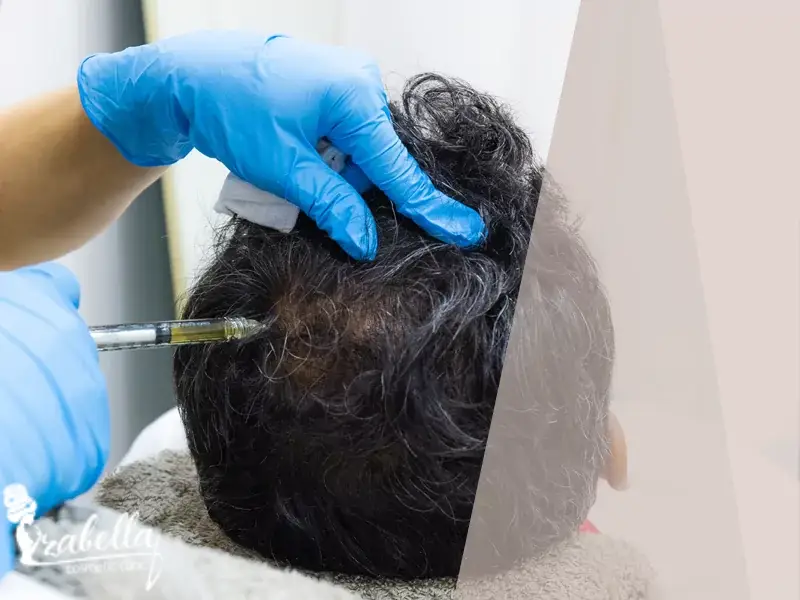
Plasma injections for hair have become a widely recognized and effective method for treating hair loss and increasing hair density in many cases. Some doctors consider this technique a definitive solution for hair loss, as it helps naturally and safely nourish and thicken the hair. The plasma treatment sessions are typically carried out as follows:
- The doctor draws a small amount of the patient’s blood using a needle.
- The blood components are separated to obtain platelet-rich plasma.
- The plasma is injected into the scalp after numbing the area, targeting the regions with thinning hair.
- The doctor determines the number of sessions required based on the individual needs of each patient.
Surgical Hair Restoration
Specialized dermatologists and surgeons perform various surgical procedures to restore and repair hair, aiming to replace hair in areas affected by hair loss and give it as natural an appearance as possible.
The ideal candidates for such surgical procedures are usually those with pronounced baldness, significant hair thinning, or hair loss due to scalp injuries or burn accidents.
Also Read: When Hair Loss Becomes Concerning
Hair Transplant Procedure
The hair transplantation process is based on the principle of surgically relocating hair from healthy areas of the scalp to areas affected by baldness, allowing new growth in those regions. The hair transplantation process includes the following steps:
- Removing Streaks from the Scalp Skin: Hair transplantation involves extracting hair units from healthy areas of the scalp. This is usually done from the back and sides, known as donor areas, where hair continues to grow throughout life.
- Repairing and Restoring the Donor Area: Generally, this procedure may leave a small scar, which is usually covered by the surrounding hair.
- Scalp Skin Graft Extraction: The hair transplant process involves removing grafts from the scalp, which are taken from the donor area and divided into units called grafts to be implanted in the bald or thinning areas. The size of the area that can be covered with hair depends on the extent of hair loss and hair transplant techniques used. About a month after the procedure, the transplanted hair may partially shed, with new growth starting around two months later and continuing naturally. After approximately six months, the transplanted hair acquires a look and texture similar to natural hair.
Read also: Disadvantages of Hair Transplant Surgery in Egypt
Despite the significant benefits of hair transplant surgery in restoring a natural appearance and boosting self-confidence, there are some drawbacks that should be considered. These include the possibility of bleeding or infection on the scalp due to inadequate sterilization
Hair Loss Treatment with the Follicular Unit Extraction (FUE) Technique
Hair transplantation using the FUE method involves carefully extracting hair follicles from the scalp and implanting them in areas where increased hair density is needed. The surgeon identifies the target zones and restores a natural hair appearance by placing the follicles in the areas affected by hair loss.
Hair Loss Treatment with Medications
The Food and Drug Administration (FDA) has approved the use of the following two medications for treating hair loss in men:
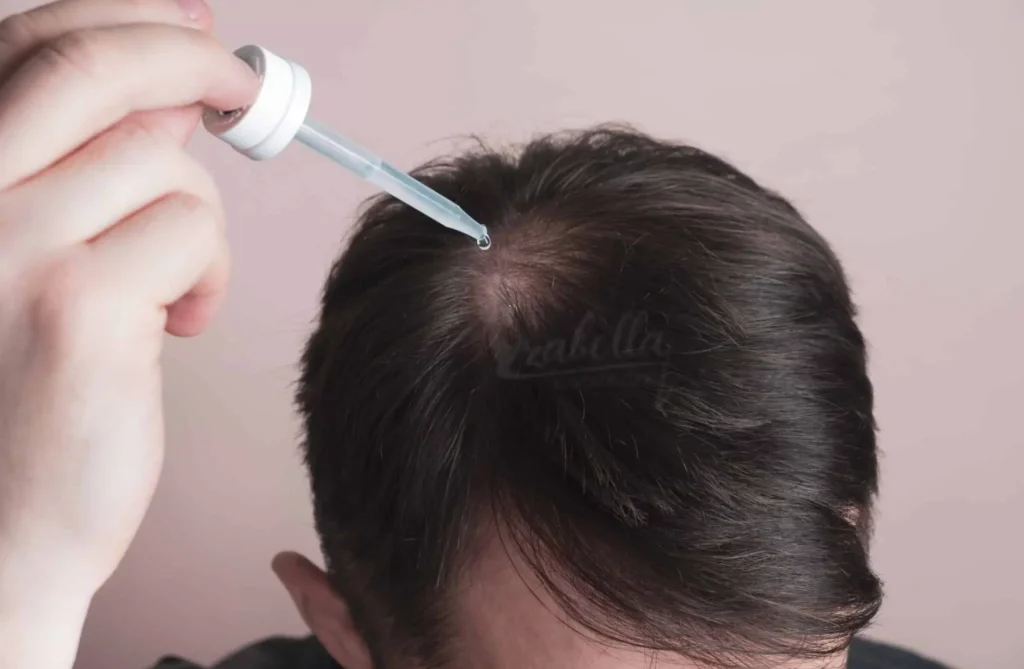
- Minoxidil: This medication is usually applied directly to the scalp in the form of a spray or cream. Minoxidil helps stimulate hair growth and strengthen existing hair. Noticeable results can typically be seen after about a year of consistent use.
- Finasteride: Also known by the brand name Propecia, this is an oral tablet. Finasteride works by preventing the conversion of the male hormone testosterone into dihydrotestosterone (DHT), which is believed to contribute to hair loss. Results may take time to appear, with improvements generally noticeable after a year of treatment.
Always consult a doctor before using any medication for hair loss, as a physician can provide guidance on the most suitable treatment for your individual condition.
Also read: Hair Loss Treatment Prescription
Home Treatments for Hair Loss in Women
Hair loss in women can be managed at home by following a healthy and balanced hair care routine, which includes:
Follow a healthy diet
- Make sure to eat protein-rich foods such as meat, eggs, and legumes.
- Include essential vitamins and minerals in your diet, like zinc and iron.
- Drink plenty of water to keep the scalp hydrated.
Proper hair care
- Use shampoo and conditioner suitable for your hair type, free from harmful chemicals.
- Avoid washing hair too frequently to prevent dryness and weakening of hair follicles.
- Limit the use of heat styling tools like hairdryers and straighteners.
Also read: 7 Oils to Treat Hair Loss
- Natural oils: Massage the scalp with natural oils such as olive oil, coconut oil, or argan oil to improve blood circulation and stimulate hair growth.
- Natural masks: Use homemade hair masks, such as egg and honey masks or aloe vera masks, to nourish and strengthen the hair.
- Reduce stress: Practice relaxation techniques like meditation or yoga, as stress can be a major factor in hair loss.
- Use dietary supplements if needed: Biotin or collagen supplements can be taken under medical supervision if hair loss is linked to nutritional deficiencies.
- Avoid harmful practices: Avoid tight hairstyles that strain hair follicles and reduce the frequency of chemical hair treatments like dyeing.
Can Hair Loss Be Treated in Five Minutes
It’s important to understand that treating hair loss in just five minutes requires identifying the underlying cause, as it’s not something that can be solved instantly. However, you can reduce hair loss and improve the health of your hair by following these guidelines:
- Regularly massage your scalp to stimulate blood circulation.
- Eat foods rich in proteins and essential minerals to nourish the scalp.
- Avoid stress and psychological pressure, which can negatively affect hair health.
Also read: Hair Transplant Using the Sapphire Technique
To learn more about unexpected causes of hair loss and the latest treatment methods, you can watch the video by Dr. Mohamed El-Sayed, a plastic surgeon at Easybella Hair Transplant Clinics in Egypt.
Hair Loss Treatment for 18-Year-Old Men
Hair loss is a common issue that affects many teenagers. Here, we will explain how to manage and treat hair loss in 18-year-old men, as well as some of its causes. It is often linked to hormonal changes, genetics, or other factors such as nutritional deficiencies. The best way to address this problem starts with identifying the cause, which is why a visit to a doctor for proper evaluation is essential.
Some Ways to Treat Hair Loss in 18-Year-Old Men
There are several causes that a person might notice when experiencing hair loss. These causes can be minor or related to other underlying issues, including:
- Proper Nutrition: A balanced diet rich in proteins, vitamins, and minerals is essential for maintaining healthy hair and preventing hair loss.
- Scalp Care: Taking care of the scalp by washing hair regularly and avoiding harsh chemical products is important for hair health.
- Genetics and Heredity: Genetics can be one of the main reasons for hair loss in teenagers. Some teenage boys may notice hair thinning in patterns such as M, V, or U shapes, while in
teenage girls, hair loss tends to occur across the entire scalp. Although hereditary hair loss usually develops with age, it is not uncommon for it to appear earlier, so consulting a doctor is recommended.
How Can Lifestyle Changes Help Treat Hair Loss in Men
Hair loss is a concern for many men and can often be linked to daily lifestyle factors. Fortunately, this issue can be managed and in some cases improved by making simple adjustments to your routine. If you’re looking for effective and natural solutions, here are some tips that may help:
- Focus on Proper Nutrition: A deficiency in essential nutrients such as vitamin D, iron, and B vitamins can weaken hair follicles and increase shedding. It is recommended to follow a balanced diet rich in vitamins and minerals. Consulting a doctor can also help determine if dietary supplements are needed.
- Avoid Harmful Habits: Smoking and excessive alcohol consumption negatively impact hair health. Smoking reduces blood flow to the scalp, limiting oxygen and nutrient delivery to the follicles. Excessive alcohol intake can dehydrate the body and scalp, worsening hair loss.
- Handle Hair Carefully While Styling: Styling hair while it is wet can cause breakage and weakening, as wet follicles are more fragile. Try gently drying your hair before styling and use gentle tools and techniques to minimize stress on your hair.
- Manage Stress and Anxiety: Chronic stress and anxiety can directly affect hair health. High stress levels are strongly linked to hair loss, especially in conditions like alopecia or stress-induced shedding. Techniques such as meditation, yoga, or regular exercise can help reduce stress and improve overall well-being.
- Maintain a Healthy Lifestyle: In addition to the above, adequate sleep and regular physical activity play a significant role in supporting hair health. Quality sleep helps the body repair its cells, including hair follicles, while exercise boosts blood flow to the scalp.

