

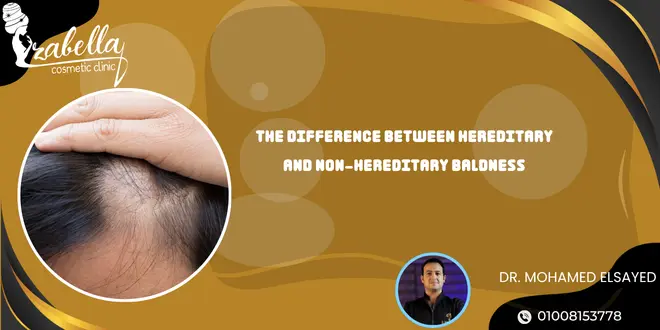
Hair loss is a common issue affecting many men and women worldwide, and it concerns a lot of people because hair contributes to a distinctive appearance that many value. The causes of hair loss and baldness vary, including both hereditary and non-hereditary factors. Non-hereditary hair loss is usually linked to certain health problems. Each type hereditary and non-hereditary has its own unique effects on those affected. Here, we will explain the causes, the best ways to address the problem, and how to manage it using the latest available treatments.
The Difference Between Genetic and Non-Genetic Baldness
Baldness is a common condition affecting many people, and its causes are varied. There are both genetic and non-genetic factors, and understanding the difference between these types helps in choosing the appropriate treatment for each case. The genetic baldness gene plays a key role, and here we will explain the difference between the two, discuss the role and forms of the hereditary baldness gene, and mention the best available treatment options.
How to Know if You Have Genetic Baldness
To answer the question, “How do I know if I have genetic baldness?” you should monitor the pattern of your hair loss. If baldness is genetic, it usually appears gradually, starting with thinning hair in specific areas such as the middle and top of the scalp. If there is a family history of hereditary baldness, you are more likely to be affected. Changes in hair density during youth or middle age may also indicate genetic baldness. In such cases, it is recommended to consult a dermatologist who can confirm the diagnosis through clinical examinations or hormonal and genetic tests.
Causes of Non-Genetic Baldness
Non-genetic baldness often occurs due to environmental or health-related factors that affect hair growth temporarily or permanently. The main causes include:
- Stress and Psychological Strain: Chronic stress or exposure to traumatic events can lead to hair loss.
- Hormonal Changes: Such as those occurring during adolescence, pregnancy, postpartum, or menopause.
- Poor Nutrition: Deficiencies in nutrients like iron and zinc can affect hair growth and cause shedding.
- Chronic Illnesses: Conditions like thyroid disorders or autoimmune diseases can impact hair health.
- Excessive Use of Chemical Products: Frequent use of hair dyes or styling products can weaken follicles over time.
The Genetic Baldness Gene
The hereditary baldness gene is the main cause of androgenetic alopecia. It makes hair follicles sensitive to the hormone dihydrotestosterone (DHT), which causes follicles to shrink and reduces their ability to produce hair. This gene can be inherited from both parents, but its effect is more pronounced when present on the X chromosome, which is passed down from the mother. Hormonal factors also play a complementary role, as this gene amplifies the effects of male hormones.
Pattern of Genetic Hair Loss in Women
Patterns of Genetic Hair Loss in Women manifest differently from the typical male patterns, often showing:
- Thinning hair at the crown: This usually occurs while the front hairline remains largely intact.
- Reduced hair density: Unlike men, women generally do not develop clearly bald patches.
- Difficulty restoring natural hair thickness: This can happen even when undergoing treatments aimed at increasing hair density.
- Increased hair shedding during certain periods: This often occurs during significant hormonal changes, such as pregnancy or menopause, or under conditions of chronic stress and psychological strain.
Is Genetic Baldness Untreatable
Although genetic baldness is considered a relatively permanent condition, there are several treatment options that can help control hair loss or stimulate new hair growth. These include various approaches such as:
Treatments for Genetic Baldness in Men
Even though genetic baldness is generally permanent, there are several treatment options that help men manage hair loss or encourage new hair growth. These treatments include:
Medications for Genetic Baldness
Some medications are commonly used to treat genetic baldness, including:
- Minoxidil: Applied topically to stimulate hair follicles and promote new hair growth. Continuous use is necessary to maintain results, and it’s important to consult a doctor before starting.
- Finasteride: Works by reducing the effect of the hormone DHT on hair follicles, and is considered an effective treatment for men to slow down hair loss.
Technological Treatments
- Low-Level Laser Therapy: Uses laser light to stimulate hair follicles and improve hair density.
- Hair Transplantation: Often the best option for advanced cases, involving the transfer of hair follicles from dense areas to affected regions.
Read also: Hair Transplant Techniques
Treatment for Hereditary Hair Loss in Women
For women, the approach varies depending on the strategies for treating hereditary hair loss, as well as the individual condition and the extent of hair loss. Some of the treatment options include:
Medical Treatments for Hereditary Hair Loss
- Minoxidil: Considered the primary prescribed treatment for women to stimulate hair growth and prevent thinning.
- Hormonal Medications: These include hormonal contraceptives, which may help reduce the effect of male hormones on hair follicles, but require medical supervision.
Natural Treatments and Supplements
- Dietary Supplements: Taking supplements can be beneficial, especially for nutrients the body may lack, such as iron and biotin, to support hair health.
- Natural Oils: Using oils like argan oil and coconut oil can help strengthen the hair.
The Importance of Early Diagnosis of Hair Loss
Early diagnosis of hair loss is a crucial step in controlling the problem and preventing it from worsening. Detecting the causes of both hereditary and non-hereditary hair loss at an early stage allows the doctor to accurately determine the type whether it is genetic hair loss or not and to prescribe the appropriate treatment before the condition becomes advanced. Early diagnosis helps in the following ways:
- Increasing the chances of restoring lost hair: Early treatment is more effective when started in the initial stages.
- Avoiding psychological distress: Controlling hair loss early helps reduce stress and anxiety associated with it, as stress is one of the causes of non-genetic baldness.
- Preventing permanent hair loss: Identifying and treating the problem promptly can help prevent permanent damage to the hair follicles.
Therefore, it is recommended to consult a specialist. Here, we present Dr. Mohamed El-Sayed, one of the leading doctors in Egypt, who provides his services through his Isabella Center. It is important to visit as soon as any changes in hair density or noticeable increases in shedding are observed to receive the correct treatment, as early care can make a significant difference in maintaining hair health and density.

