

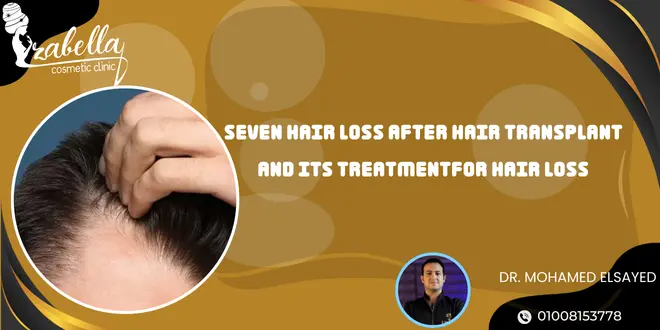
Are you considering a hair transplant? Are you worried about gaps appearing after the procedure? Do you wonder what causes these gaps if they occur, and whether they can be treated or prevented? What factors might lead to a hair transplant not succeeding? Read on in today’s article to learn all the details about gaps that can appear after a hair transplant.
What Happens After a Hair Transplant
Hair transplant procedures involve extracting follicles from the donor area of the scalp and implanting them into the areas that require coverage. The procedure is performed under local anesthesia, and the Follicular Unit Extraction (FUE) technique is the most popular and advanced method compared to the traditional strip method. Several modern approaches have evolved from the FUE technique.
It is important to know what to expect after a hair transplant, as some side effects may occur, including redness, irritation, swelling, and mild bruising. Some minor discomfort may also be experienced, but these effects are temporary and usually subside during the recovery period.
Hair Transplant Results
After a hair transplant, the transplanted hair is expected to shed within the first few weeks, typically between two weeks and three months after the procedure. Gradually, new hair begins to grow. Over the following months, the transplanted hair continues to develop until it reaches an approximate length of 3 cm. By the tenth to twelfth month, the final results of the transplant become visible and can last a lifetime, provided the patient follows the doctor’s instructions to maintain the results.
Also Read: Best Hair Transplant Doctor in Egypt
Do Gaps Appear After a Hair Transplant
Hair does not grow immediately after a transplant, as mentioned earlier in the stages hair goes through post-procedure. Some patients may initially notice gaps on the scalp. This is normal and usually observed until new hair begins to grow and increase in density. In the early stages of growth, hair density may vary from one area to another. However, by the end of the first year, these gaps typically disappear, and the hair becomes thicker and more uniform.
What Causes Gaps After Hair Transplant
Gaps in the scalp can appear after a hair transplant for several reasons:
- Inaccurate procedure: If the grafts are not implanted precisely and efficiently due to a lack of surgeon experience, they may fail to settle properly in the scalp after the procedure.
- Uneven graft density: The density of transplanted grafts can vary from one area to another, resulting in uneven hair coverage after the transplant.
- Damaged tissue: In cases where there is scarring, previous injuries, or burns in the transplanted area, hair density in these regions may not match that of healthy areas.
- Excessive scratching or improper care: Scratching the scalp too much or washing and rubbing it without following the doctor’s instructions can damage the grafts and hinder their growth.
- Hair-pulling disorder: People with trichotillomania may still develop gaps even after a hair transplant.
- Smoking: Smokers may have a higher risk of transplant failure and the appearance of gaps over time.
Gaps in the Donor Area After Hair Transplant
The donor area can also develop gaps after a hair transplant, similar to the transplanted area. This is because grafts are taken from this area to be implanted where needed, and it takes time for the hair to grow back. Here’s a breakdown for the two main hair transplant techniques:
- Gaps After FUE (Follicular Unit Extraction): When using FUE, the surgeon carefully extracts individual grafts and distributes them evenly across a wide area of the donor site to avoid noticeable gaps. Grafts are usually taken from the hidden area behind the ears or the back of the scalp. Large or obvious gaps are rare, especially when the surgeon is experienced and skilled.
- Gaps After FUT (Follicular Unit Transplantation / Strip Technique): With the strip technique, gaps in the donor area are more noticeable because a full strip of tissue and grafts is removed. This method may leave a linear scar where the strip was taken, though it becomes virtually invisible once hair grows over it.
How to Treat Gaps After Hair Transplant
The method for treating gaps after a hair transplant depends on the main cause of their appearance and may vary from person to person. Here are some possible treatment options:
- Natural hair growth: Hair may grow naturally in the empty area over time without any intervention.
- Medications: A doctor may recommend certain medications to treat hair loss, such as finasteride or minoxidil, to help stimulate hair growth and increase density.
- Additional transplant procedure: In some cases, an additional hair transplant can be performed after a period of time as a corrective measure.
Gaps After Strip Technique Hair Transplant
With the strip technique, gaps in the donor area may be more noticeable after the transplant since a whole strip of tissue and follicles is removed. This method may leave a scar where the strip was taken, but it usually becomes invisible once the surrounding hair grows over it.
How to Treat Gaps After Hair Transplant
As mentioned, treatment depends on the cause and can differ from person to person. Options include natural hair growth, the use of medications like finasteride or minoxidil, and, if needed, an additional transplant procedure to improve coverage.
Is it possible to prevent gaps after a hair transplant
In some cases, it is possible to avoid gaps after a hair transplant by following several steps. First, it’s important to ensure that the patient is a suitable candidate for the procedure and does not have any health issues that could interfere with it. In addition, proper preparation for the surgery and choosing an experienced and skilled hair transplant doctor are highly recommended. Following the doctor’s post-operative instructions and advice is also crucial to maintain the best results.
What causes hair transplant failure
There are several factors that can lead to the failure of a hair transplant. Failure is not limited to insufficient hair growth; it may also involve complications after the procedure. The main causes include:
- Lack of credibility or trustworthiness of the doctor or clinic.
- Performing a transplant on a case that is not suitable for the procedure.
- Inadequate preparation before the surgery.
- Insufficient experience or skill of the doctor.
- Failure to follow post-operative care instructions.
What are other causes of hair gaps
Hair gaps can appear for various reasons, even without undergoing a hair transplant. These gaps are commonly due to hair loss, with the main causes including:
- Excessive hair loss: This reduces hair density, making the scalp more visible.
- Scars from wounds, burns, or injuries: Scarring can prevent hair from growing in the affected area.
- Alopecia: A common cause of scalp gaps, usually appearing as distinct patches.
- Genetic or early-onset baldness: One of the main reasons for hair gaps.
Dear readers, we hope this article has provided comprehensive answers regarding the causes of gaps after a hair transplant, ways to prevent them, and factors that can lead to transplant failure. If you have any further questions or wish to schedule an appointment, please feel free to contact us.

