

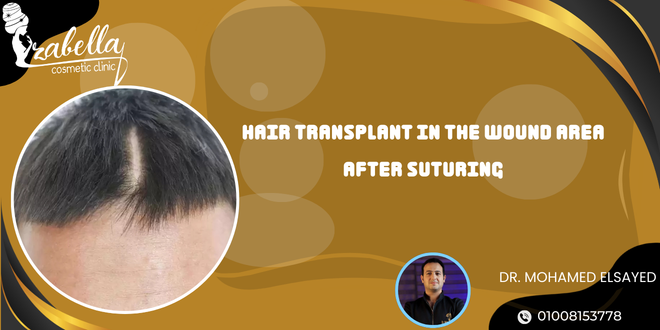
Hair transplantation in scarred areas is a cosmetic surgical procedure designed to restore hair in regions affected by wounds or scars that have caused permanent hair loss. But how successful is this procedure, and is it suitable for all types of scar marks? In the following article, we provide a comprehensive answer to these questions, along with key details about the procedure, including results and pre- and post-operative advice.
What is Hair Transplantation on Scar Areas
Hair transplantation on scar areas is a cosmetic procedure that benefits individuals with scars caused by accidents, surgeries, or burns. The procedure helps conceal these scars by harvesting hair follicles from stable areas with strong follicles and transplanting them into the scarred regions. The scar area is first prepared and treated to become suitable for transplantation. These areas may require medications prescribed by the doctor to stimulate the transplanted follicles and improve their survival rate. Once prepared, the follicles are implanted into the site. After the procedure, patients can resume daily activities within three days and can return to work after about a week.
Benefits of Hair Transplantation on Scar Areas
Hair transplantation on scarred areas offers numerous advantages, especially for those who lack hair in the scar regions. Some of the main benefits include:
- Improved Aesthetic Appearance: Transplanting hair onto scarred areas restores the natural look of the skin, effectively concealing scars. The transplanted follicles integrate seamlessly with surrounding hair, making the scar less noticeable.
- Increased Self-Confidence: Individuals with visible scars often feel self-conscious about their appearance. Hair transplantation helps restore confidence, reduce feelings of embarrassment or frustration, and improve overall psychological well-being.
- Long-Lasting Results: Unlike temporary solutions such as wigs or cosmetic makeup, hair transplantation provides permanent results. Once the transplanted follicles grow, they continue to grow naturally for a lifetime without shedding. During the initial recovery period, the transplanted hair does not require ongoing maintenance like some temporary options.
- Natural and Safe: Using the patient’s own hair follicles ensures biological compatibility and minimizes the risk of allergic reactions. Modern techniques, such as follicular unit extraction (FUE), further reduce risks and improve success rates.
- Easy to Maintain: Transplanted hair requires the same care as natural hair, making maintenance simple. Patients generally cannot distinguish between transplanted hair and their original hair.
- Flexible Treatment: This procedure is effective for all types of scars small or large, shallow or deep. It can also be combined with other cosmetic treatments to achieve faster and more comprehensive results.
Success Rates of Hair Transplant in Scarred Areas
The results of a hair transplant procedure in scarred areas usually start to appear around the third month, with the final outcome visible within a year after the procedure. The success rate varies from one case to another, depending on the condition of the skin and how positively it responds to the treatment. Additionally, the technique used in the procedure, the experience of the treating physician, and their ability to assess the patient’s expected response from the beginning all play a significant role.
How is Hair Transplant Performed on a Scar
Hair transplant in a scarred area is carried out in the same way as a standard hair transplant. The doctor begins by administering local anesthesia to both the donor area and the area where the hair will be implanted. Then, the usual hair transplant steps are followed according to the chosen technique, whether it is Follicular Unit Extraction (FUE) or Follicular Unit Transplantation (FUT). Finally, any areas that require it are covered and dressed properly.
Will Hair Grow in Scarred Areas of the Scalp
Many people wonder whether hair can grow again in scarred or injured areas of the scalp, especially those experiencing early hair loss or hair loss due to previous injuries. The answer depends on the depth of the scar and the condition of the hair follicles in the affected area.
If the scar is superficial and the hair follicles are intact, there is a good chance that hair will grow back naturally once the skin has healed.
However, if the scar is deep or has damaged the hair follicles, forming permanent scar tissue, hair may not grow back in that area, which can result in noticeable gaps on the scalp.
If you are experiencing hair loss due to scars or injuries and want to restore your hair naturally, don’t hesitate to contact us at Isabella Hair Center to evaluate your condition and determine the most suitable hair transplant techniques for you. Book your appointment today.
Is it possible to transplant hair in the stitched area of the beard
Some people may experience injuries to the facial area, particularly the beard, which require stitches. Usually, hair does not grow back in the injured area after the tissue heals. The same applies to the beard as it does to the scalp. Medically, beard hair can be transplanted into a stitched area; however, due to scarring and reduced blood supply in that region, the density and results of the transplanted hair may not be the same as in healthy skin.
Is it possible to transplant hair in a stitched eyebrow area
Although eyebrow transplantation is considered a cosmetic procedure, hair loss in the eyebrows can occur for reasons other than genetics, over-plucking, or cosmetic products. Cuts and stitches in the eyebrow area are among the most common types of injuries, especially during childhood due to high activity and a greater risk of accidents. Therefore, eyebrow hair transplantation in a stitched area may be necessary in some cases. The same principles that apply to hair transplantation on the scalp or beard also apply here.
What are the results of hair transplantation in stitched areas
Despite many misconceptions about hair transplant failure in stitched areas, specialists confirm that the success rate of these procedures usually ranges between 50% and 60% in most cases.
This rate can be improved through preparatory treatments and procedures before the transplant, as mentioned earlier, which help enhance results, promote the growth of new follicles, and ensure proper nourishment.

