

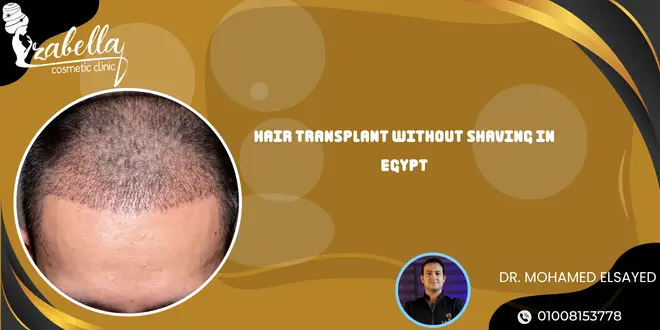
Hair transplantation without shaving is considered one of the latest advancements in the field of hair restoration, allowing patients to undergo the procedure without the need to cut or shave their hair. But how is this procedure performed? What are its advantages and disadvantages? And who are the ideal candidates for a hair transplant without shaving? To find answers to these questions, keep reading this article.
Hair Transplant Methods Without Shaving in Egypt
Hair transplant procedures without shaving are used to treat severe hair loss caused by genetic factors, accidents, or medical conditions. These procedures can be performed using several methods, including:
- Follicular Unit Extraction (FUE): In this method, hair follicles are extracted from the back of the scalp using a specialized tool and then transplanted into the bald areas. One of the advantages of FUE is that it leaves no visible scars on the scalp.
- Choi Pen Transplantation: Extracted follicles are loaded into Choi pens and then implanted into the recipient area using these pens. The procedure is performed under local anesthesia.
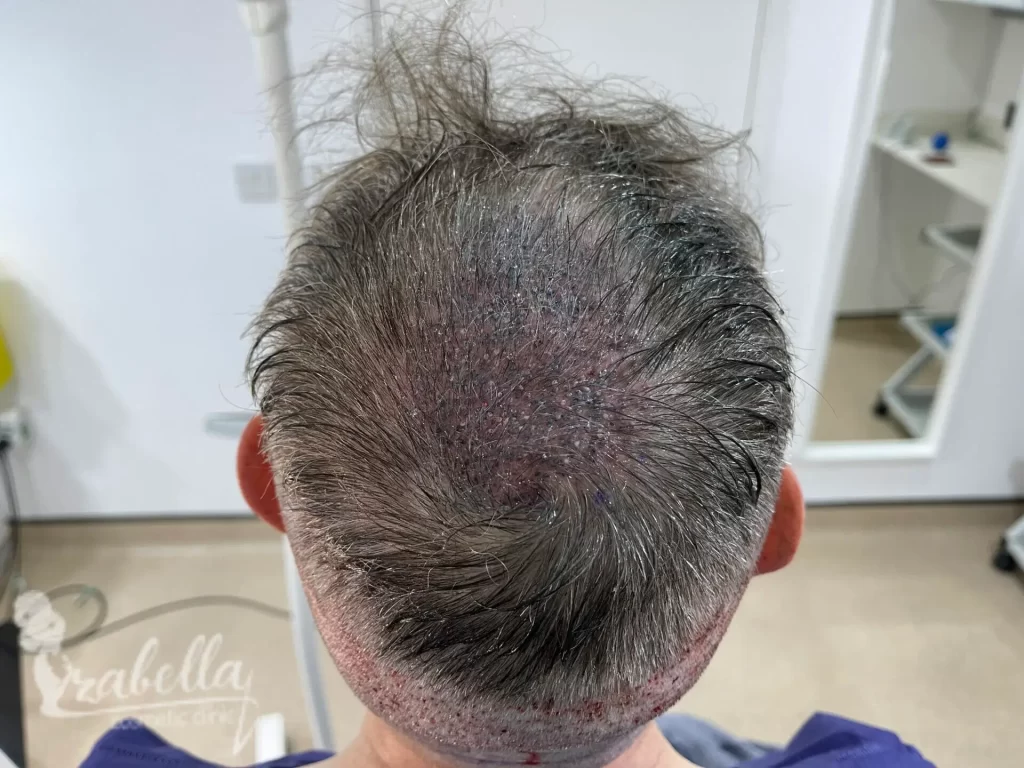
What is the latest hair transplant technology
The Sapphire technique is considered one of the newest hair transplant techniques without shaving. It uses Choi pens to create very tiny channels in the recipient area and implant the follicles. This technique is characterized by:
- The use of sharp pens to create extremely small channels, which promotes faster healing after the procedure.
- Performing the procedure with minimal pain and bleeding.
Advantages of hair transplantation for women without shaving
Many women prefer to undergo hair transplantation without shaving so they can quickly return to their normal lives. This technique offers a shorter recovery period and effectively conceals scars and wounds from the procedure, allowing a faster return to work and daily activities.
After Hair Transplant Without Shaving
After completing a hair transplant without shaving, the patient goes through several stages:
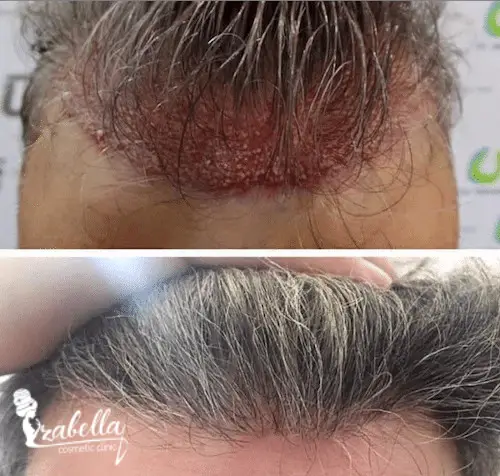
- First 10 days: Temporary peeling occurs on the scalp, which is a sign that the procedure was successful. Some itching may also be experienced during this period.
First two months: The transplanted hair begins to shed, which is a normal and temporary phase. - After 6 months: New hair starts to grow and gradually becomes denser. Achieving the final results may take up to around two years after the procedure.
For more details about hair transplants without shaving and how to care for your transplanted hair, you can contact us via WhatsApp.
Who Are Candidates for Hair Transplantation Without Shaving
Hair transplantation can be performed without shaving, but certain conditions must be met, including:
- Conventional hair loss treatments have been used for at least one year without achieving noticeable results.
- Severe hair loss that affects the patient’s psychological well-being.
- A dense donor area with healthy hair.
- Hair length of 6 to 7 cm.
- The patient is over 18 years old, with a stable pattern of baldness.
- The number of grafts transplanted to the recipient area should not exceed 3,000.
Is It Possible to Transplant More Than 5,000 Hair Grafts
Transplanting such a large number of grafts is not recommended, as it may damage both the donor area and the transplanted follicles.
Can Hair Be Transplanted Without Follicle Extraction
Yes, hair can be transplanted without using follicle extraction. One method is the strip technique, where a small strip of scalp containing follicles is removed and then transplanted into the areas with thinning or bald spots.
Is Shaving Required Before a Hair Transplant
Doctors have differing opinions on whether shaving is necessary before a hair transplant. Many prefer shaving to make the procedure easier and to speed up follicle extraction from the donor area, which can help achieve better results.
However, in some cases, the doctor may choose to simply trim the hair instead of shaving it completely, or shave only the donor area.
Post-Hair Transplant Care Tips
Hair transplantation is a surgical procedure that requires special care afterward to ensure its success and achieve the best results. Here are some important guidelines to follow after a hair transplant:
- Avoid intense physical exercise.
- Stay out of direct sunlight.
- Take prescribed medications on schedule.
- Refrain from smoking and drinking alcohol.
- Eat nutritious foods rich in vitamins and minerals to support scalp health.
- Consider plasma therapy sessions to promote the growth of transplanted hair.
- Follow your doctor’s instructions carefully.
- Avoid swimming in pools or the sea during the first few months after the procedure.
Cost of Hair Transplant Without Shaving in Egypt
The cost of a hair transplant without shaving in Egypt ranges between $1,100 and $5,000 USD.
Who Has Tried Hair Transplants in Egypt
Many people have undergone hair transplant procedures at Isabella Clinics in Egypt, and all of them praise the success of these treatments. Anyone interested in a hair transplant without shaving can contact Dr. Mohamed El-Sayed at Isabella Clinics for a direct consultation, or they can schedule an online consultation and communicate via WhatsApp.
My Experience with Hair Transplant
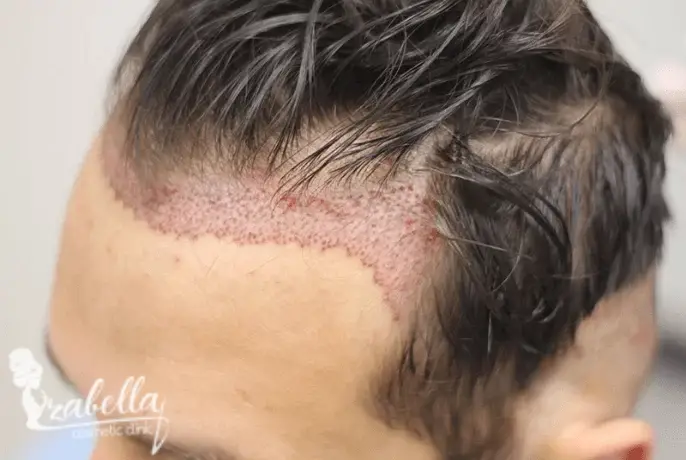
Youssef is one of the people who underwent a hair transplant in Egypt, as he was suffering from hereditary baldness. He decided to visit Isabella Hair Transplant Clinics after a friend recommended it to him. The first step was a medical consultation to assess his condition and the extent of his hair loss.
Youssef underwent a thorough examination, during which the exact number of grafts needed was determined, along with the donor and recipient areas. The hair transplant procedure was successfully performed and took approximately six hours.
After the procedure, Youssef experienced some pain and swelling on his scalp, but these subsided within a few days. Six months later, he noticed an increase in hair density and was satisfied with the results.
If you are interested in learning more about others’ experiences with hair transplants in Egypt, there are many successful cases available that highlight the effectiveness and professionalism of specialized clinics in this field.

