

There has been a significant advancement in hair transplant techniques in recent years, making the work of specialist doctors easier and less demanding compared to older methods. The new techniques not only offer higher quality and precision but also reduce the side effects of hair transplant procedures. Additionally, doctors can utilize these various techniques to transplant a larger number of hair follicles in a single session.
Most Popular Hair Transplant Techniques in Egypt
Modern hair transplant techniques aim to restore natural hair growth in areas affected by hair loss. These methods are primarily used to treat hereditary baldness, as well as hair loss caused by other factors such as stress, pregnancy, miscarriage, chemotherapy, and certain medical conditions.
These techniques vary in terms of benefits, drawbacks, and costs. In this article, we provide a detailed overview of the leading hair transplant methods currently available.
Also read: When is Hair Loss Considered Serious
Strip Hair Transplant (FUT)
The strip method (FUT) is considered the first successful traditional approach in hair transplantation. This technique involves removing an entire strip of scalp measuring approximately 20–25 cm in length and 1–2 cm in width, which is then transplanted to the areas experiencing hair loss. However, due to the size of the strip, the patient may experience multiple wounds and complications, requiring a longer recovery period.
Drawbacks of the Strip Method (FUT)
- Suture scars: A subtle thread-like scar may remain at the back of the head from the stitches used during the procedure.
- Numbness: Some numbness may occur after the surgery due to the removal of a section of skin from the donor area.
- Follicle loss: Some hair follicles may be lost during the collection process.
- Swelling around the eyes: Mild swelling around the eyes can occur after the transplant.
- Hair growing under the skin: There is a possibility of hair growing beneath the skin as a result of the procedure.
- Second procedure required: A follow-up transplant may be needed if new hair loss occurs in other areas, which can result in additional scarring.
- Pain at the suture site: Patients may experience discomfort around the stitched area due to the sutures.
- Longer recovery period: This method requires a longer recovery, as a piece of the scalp is removed and stitches are placed in the donor area.
Advantages of Hair Transplant Using the FUT (Strip) Technique
- Speed: This method is ideal for patients with limited time, as it is faster compared to other techniques since it does not require harvesting hair follicles one by one.
- Patient Suitability: FUT is the best option for patients with hair loss in the donor area, as a large number of follicles can be extracted in a single session.
- No Need to Shave: Patients do not need to shave their hair before the transplant, making the procedure less invasive.
- Follicle Protection: The extracted hair follicles remain unharmed thanks to special handling methods. They are cleaned of all surrounding tissue, allowing smaller channels to be made in the recipient area. This preserves healthy blood circulation and promotes faster growth of the transplanted hair.
FUE Hair Transplant Technique
The FUE hair transplant (Follicular Unit Extraction) technique involves extracting individual hair follicles from the back or sides of the scalp, without the need to remove an entire strip of hair as in traditional transplant methods.
The FUE hair transplant procedure is known for being virtually painless and leaving no visible scars in the donor areas.
Therefore, if you have a small bald spot, want to restore your hair quickly, and prefer to return to work soon without undergoing major surgery, a FUE hair transplant is the ideal option for you.
Advantages of FUE Hair Transplant
- Double Density: FUE uses mature, double hair follicles, providing the patient with greater hair density and achieving the desired results.
- Complete Safety: Since the follicles are taken from the patient’s own hair, the technique carries no serious side effects, unlike artificial hair transplants.
- Quick Procedure: The transplant usually takes place in one or two sessions, each lasting around three hours. Patients can return to their normal daily routine within three days.
- Scar-Free: FUE leaves no scars or skin deformities, whether in the donor or recipient areas, unlike the strip method, which requires removing a large section of skin to harvest follicles.
- Permanent Results: The results are lifelong, eliminating the need for yearly maintenance or replacing follicles as is necessary with Italian or synthetic hair transplants.
- Local Anesthesia: The procedure is performed under local anesthesia only, keeping patients fully aware of the process while remaining completely comfortable.
Potential Drawbacks of FUE Hair Transplant
While FUE has achieved remarkable results with a success rate exceeding 98%, there are some potential risks and disadvantages:
- Bleeding: Some bleeding may occur during the procedure, largely depending on the skill and experience of the surgeon.
- Follicle Damage: If the surgeon is inexperienced, the extracted follicles may become damaged.
- Scarring: In some cases, noticeable scars may develop on the scalp.
- Infection: There is a risk of scalp infection if sterilization is inadequate during the procedure or post-operative care instructions are not followed.
Sapphire Hair Transplant Technique
This technique follows a method similar to traditional hair transplant procedures, but it uses a specialized tool capable of creating channels in the scalp with a diameter of just 0.5 mm.
Thanks to the precision of this diameter, a surgeon can transplant up to 7,000 hair follicles in a single session, providing greater density while minimizing damage compared to the traditional FUE technique.
The natural-looking results are achieved through the precise sizing of the channels and the ability to place them at angles that match the natural direction of hair growth.
Advantages of the Sapphire Hair Transplant Technique
- High precision: The sapphire technique allows for highly precise channel creation, ensuring more natural results.
- Faster procedure: Hair transplantation using sapphire is quicker than some traditional methods.
- Minimal scarring: The sapphire technique leaves no visible scars on the scalp.
- Patient comfort: It is more comfortable for patients, as general anesthesia is not required.
- Natural results: The technique produces natural-looking, dense hair.
Disadvantages of the Sapphire Hair Transplant Technique
- Cost: Sapphire hair transplantation is more expensive than some traditional methods.
- High expertise required: The procedure demands a high level of skill from both the doctor and the medical team.
Hair Transplant with Robotic ARTAS Technology
The ARTAS robot is a computer-assisted device controlled by the physician, utilizing a 3D optical system to identify and isolate hair follicle units. This ensures the maximum number of follicles are preserved during the follicular unit extraction (FUE) procedure. The doctor makes precise incisions around each transplant unit using a specialized punch device. Once the follicles are located, the robot performs the incisions quickly and accurately, outperforming the manual techniques commonly used in most clinics. This technology requires a skilled and experienced surgeon to guarantee precision and a successful outcome.
Advantages of Hair Transplant with Robotic ARTAS
- There is no pain or cutting wounds with the Robotic or Sapphire hair transplant procedure, unlike traditional hair transplant techniques, which used to cause pain and itching after the procedure.
- The procedure is virtually painless and does not leave cuts or scars, unlike traditional hair transplant methods that often cause discomfort or itching afterward.
- Accuracy is a major advantage; scientific techniques offer consistent high performance, which is difficult to achieve manually. The ARTAS robot can also estimate the duration of the procedure and treat baldness with precision, significantly reducing the time compared to traditional methods.
- ARTAS software includes 3D imaging technology, providing the doctor with a clear view to select the best follicles and ensure successful results. This allows for precise planning of the expected hair transplant outcome.
- Finally, the ARTAS robot can analyze the angle and depth of each implanted follicle to ensure the hair grows in an optimal, natural appearance.
Disadvantages of Hair Transplant with Robotic ARTAS
- It may not be suitable for all hair types, as the imaging system may struggle to select light-colored or curly hair.
- Donor area availability is limited, as follicles are extracted only from the scalp.
- The procedure is more expensive compared to other follicular unit extraction techniques.
- The larger size of the punch device may cause damage to adjacent hair follicles.
Choi Pen (DHI) Technique
This innovative technique represents one of the latest advancements in hair transplantation. It stands out for its ability to extract and implant hair follicles simultaneously in a single step.
However, this method is still limited by the lack of extensive research, and the procedure can be time-consuming due to the relatively small number of follicles transplanted per session.
Ultimately, choosing the right doctor and medical facility is the key step. The supervising physician will explain the available techniques, along with their advantages and disadvantages, and guide you in selecting the most suitable option to achieve your aesthetic goals effectively.
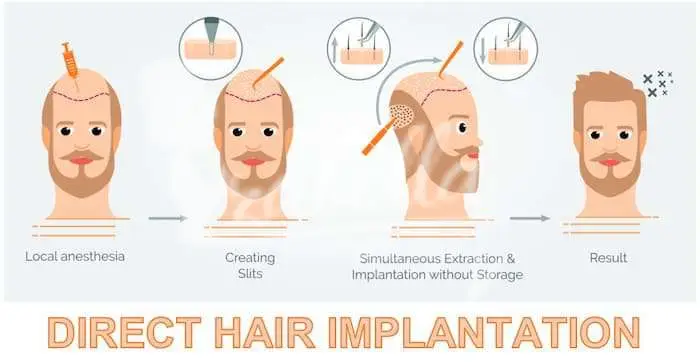
Advantages of the DHI Hair Transplant Technique
- Short recovery period: This type of procedure does not require a long rest; patients can leave the clinic immediately after the session and quickly resume their daily activities. As a result, the popularity of this technique is higher compared to other methods.
- No need to shave the hair: DHI hair transplantation does not require complete shaving of the recipient area. This feature is especially important for women who prefer the procedure to be discreet.
- Preservation of follicles: Since the procedure is performed in a single session, the follicles are implanted directly without the need for storage, maintaining their quality and strength.
- Low risk of bleeding: While minor bleeding may occur, it is very rare and usually does not lead to any significant complications.
- Cost-effective: The DHI technique is generally more economical than other methods, requiring fewer steps and less time, with minimal complications and a high success rate.
Disadvantages of the DHI Hair Transplant Technique
- Shock loss: Hair shock loss can sometimes occur after a DHI procedure. Exposure to natural factors or other causes may lead to temporary shedding of transplanted hair. This is rare and does not affect everyone.
- Follicle mismatch: In some cases, transplanted follicles may not fully match the existing hair, which can affect the appearance and patient satisfaction. However, this is uncommon when performed in specialized hair transplant centers.
- Anesthesia sensitivity: Some patients may have reactions to the anesthetic used before the procedure. This risk exists in any surgical procedure, not just DHI hair transplantation.
- Risk of infection: Although the likelihood of infection during a DHI procedure is extremely low, it remains a possibility, which may concern some patients.
Robotic Hair Transplant Technology
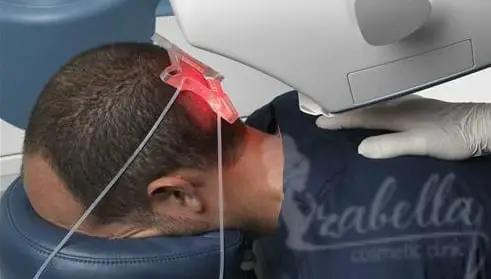
Robotic hair transplant is a modern technique that uses an advanced robot to extract hair follicles from the donor area and implant them into the recipient area. This method is also known as “ARTAS Robotic Hair Transplantation.”
Advantages of Robotic Hair Transplant Technology
- Precision: The ARTAS robot is highly precise in identifying and selecting the best hair follicles for transplantation, ensuring more natural-looking results.
- Speed: Robotic hair transplantation is faster than traditional methods, with the robot capable of harvesting and implanting up to 4,000 hair follicles in a single session.
- Minimal Scarring: This technique causes less noticeable scarring compared to conventional methods, as the robot creates very small channels for the follicles.
- Accuracy in Angle and Direction: The robot accurately determines the angle and orientation of each follicle, promoting natural hair growth.
- Patient Comfort: The procedure is more comfortable for patients, as it does not require general anesthesia.
Disadvantages of Robotic Hair Transplant Technology
- Cost: Robotic hair transplantation is more expensive than traditional methods.
- Limited Availability: Not all clinics and hospitals offer this technology.
- High Expertise Required: The procedure demands a highly skilled doctor and medical team.
Also read: Disadvantages of hair transplantation in Egypt.: How to Avoid Hair Transplant Flaws in Egypt. In this article, you will find a comprehensive overview of the flaws you may encounter during a hair transplant in Egypt, along with guidance on how to avoid them and ensure a successful experience with satisfying results.
Regenera Hair Technology
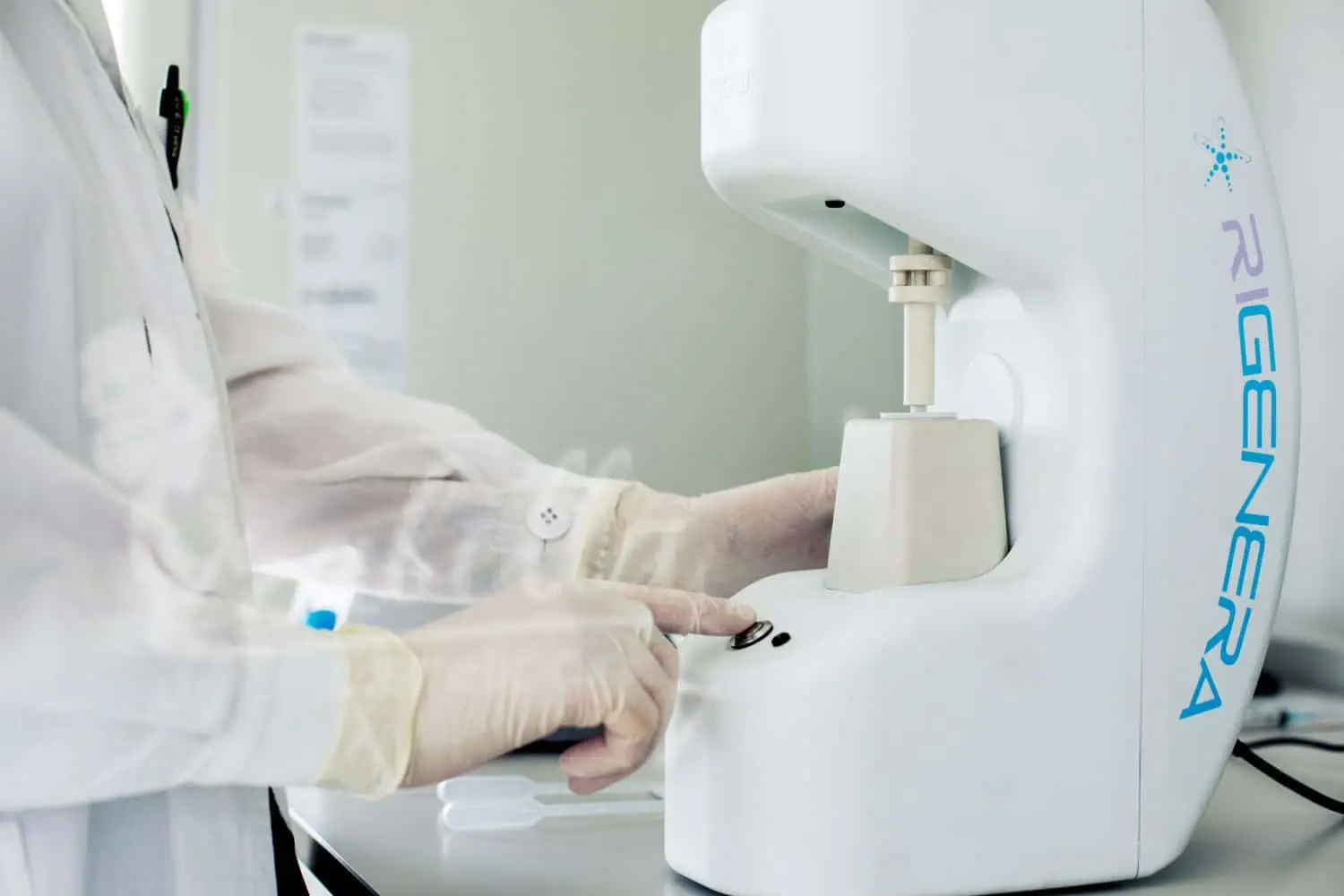
Regenera hair technology is an advanced therapeutic approach for hair loss that relies on natural regeneration mechanisms. This method primarily uses micro-injections of stem cells that stimulate hair growth and increase density in areas experiencing thinning or hair loss. The Regenera technique promotes the hair’s self-repair process by extracting regenerative cells from the hair follicles themselves and injecting them into the scalp. Regenera Activa is a micro-injection procedure that employs a specialized, patented device to deliver stem cells precisely to the targeted areas, initiating the repair of damaged tissue.
Advantages of Regenera Injection Technology
- Approved and Safe: Regenera injection technology is certified by relevant medical authorities and is considered safe for use.
- An Alternative to Hair Transplant: This technique offers an effective, non-surgical alternative to traditional hair transplant procedures.
- Free from Side Effects: Regenera injections have no notable side effects.
- Restore Your Normal Life: After the session, you can return to your daily routine without the need for a long recovery period.
- Suitable for All Cases and Ages: Regenera technology is suitable for most cases and age groups, except for pregnant women and individuals with irregular blood sugar levels.
Hair Mesotherapy Injections
Hair mesotherapy is known as one of the advanced treatment techniques for addressing hair problems. This method involves injecting a mixture of essential vitamins, minerals, amino acids, and keratin directly into the scalp. These injections deeply nourish the hair follicles, helping to treat various hair issues and promote healthy hair growth.
Isabella Center is one of the largest centers specializing in hair mesotherapy injections. It offers an effective treatment to improve hair density and reduce hair loss. The center is distinguished by a highly skilled medical team with extensive experience in this field and relies on the latest medical techniques and equipment to ensure the best results. Mesotherapy sessions use a blend of vitamins, minerals, and active compounds injected directly into the scalp, promoting hair growth and improving hair health. Thanks to the center’s commitment to the highest standards of quality and comfort, it has become a preferred destination for those seeking safe and effective treatments to restore the vitality and beauty of their hair.
Is Hair Transplant Surgery Painful
The level of pain experienced during a hair transplant varies depending on the method used and the individual’s overall sensitivity to pain. In most cases, local anesthesia is administered to minimize discomfort and make the procedure more comfortable.
- Hair Transplant Using FUE Technique: Patients may experience swelling and irritation in the bald area during the first few weeks after the procedure, in addition to mild discomfort during the hair extraction process.
- Hair Transplant Using FUT Technique: Some discomfort may occur due to the surgery, which involves removing a strip of scalp. This can cause mild pain during the initial healing period.
- Hair Transplant Using DHI Technique: The specialized tool used in this method can significantly reduce pain compared to other techniques, as no incisions are needed in the scalp.
- ARTAS Robotic Hair Transplant: Generally, this method does not cause much pain. Local anesthesia is used to reduce discomfort and make the procedure more comfortable. Some patients may feel slight pressure or tension during the procedure, but this is usually manageable.
Also read: Swelling of the Head After a Hair Transplant
How Many Follicles Can Be Transplanted
The donor area typically contains between 12,000 and 20,000 follicles. To achieve the best results, each case should be carefully evaluated to determine the most suitable approach. This is done through a consultation with a specialized plastic surgeon, which you can arrange when booking an appointment with Dr. Mohamed El-Sayed at Isabella Center.

