

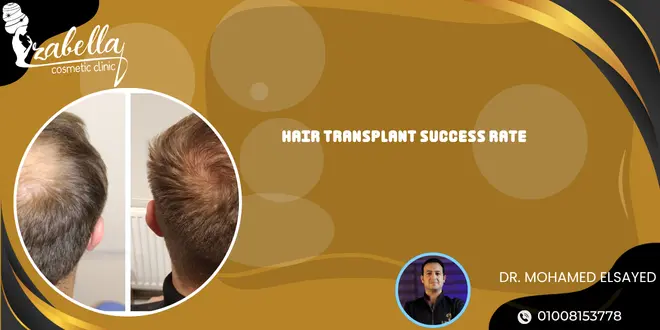
Despite the remarkable advancements in hair transplant techniques in recent years, some people still want to know the success rate of hair transplant procedures in Egypt. The success of a hair transplant depends on several factors, the most important of which are the surgeon’s experience and the quality of the donor area. In today’s article, we will discuss the outcomes of hair transplant procedures, their success and failure rates, as well as the key factors that can help increase the likelihood of a successful result.
Hair Transplant Success Rate
The success rate of a hair transplant depends on several key factors, the most important being the technique used, the surgeon’s experience, the condition of the scalp and donor area, and, of course, the post-procedure care. Nevertheless, hair transplant procedures generally achieve high success rates and deliver reliable results in most cases, especially when performed according to proper medical standards. Here are some key points regarding recent success rates in hair transplantation based on the technique used:
- FUE Hair Transplant: This technique is among the latest hair transplant methods, achieving success rates of up to 95%. Its effectiveness depends entirely on the surgeon’s skill, the number of grafts transplanted, and the condition of the scalp.
- FUT Hair Transplant: This method involves extracting a strip of skin containing follicles from the donor area. It also reaches a success rate of approximately 95%, with the outcome largely depending on post-operative wound care and the surgeon’s experience in separating and implanting the follicles.
- DHI (Choi) Hair Transplant: A very safe method favored by most doctors, with success rates of around 97%. Overall, the failure rate for hair transplant procedures ranges from approximately 3% to 20% in the worst cases.
Factors Affecting the Success Rate of Hair Transplant Surgery
Several factors influence the success of a hair transplant procedure, including:
- Surgeon’s experience: The more skilled and experienced the surgeon, the higher the likelihood of a successful outcome. It is essential to choose a surgeon with a strong reputation and a proven track record of successful procedures.
- Condition of the donor area: The donor area is where the surgeon extracts hair follicles. It must have good hair density, as the health of the donor hair directly affects the quality of the transplanted follicles.
- Post-operative care: Patients must follow the doctor’s instructions regarding post-surgery care, such as avoiding direct sunlight, refraining from strenuous activities, taking prescribed medications on schedule, and properly caring for the scalp. These measures significantly impact the success of the transplant.
- Patient’s health condition: Chronic illnesses, such as diabetes or skin problems, can affect wound healing and the growth of new hair.
Post-Transplant Care Tips
Following these tips will greatly enhance the success of your hair transplant. During the recovery period, take extra care with the new follicles to achieve the best results:
- Avoid damaging the hair follicles during extraction or rubbing.
- Refrain from smoking and consuming alcohol for at least four weeks after surgery.
- Sleep on a silk pillowcase and choose a sleeping position that minimizes friction on the scalp.
- Keep the hair clean and wash it with the shampoo prescribed by your doctor, starting 48 hours after the procedure.
- Avoid direct sun exposure on the hair.
- Avoid strenuous physical activities, such as swimming or contact sports, for at least a week after the surgery.
Steps to Reduce the Risk of Hair Transplant Failure
Learn about the factors that can enhance the success of a hair transplant.
Proper Preparation for the Procedure
Avoiding alcohol and staying away from smoking can have a positive impact on hair transplant results. Additionally, massaging the scalp, taking medications for hair loss, managing stress, and maintaining a healthy lifestyle all contribute to increasing the likelihood of a successful procedure.
Choosing a Skilled Surgeon
The experience and expertise of the surgeon play a crucial role in the success of a hair transplant. An experienced surgeon carefully examines the scalp and donor area, reviews the patient’s medical history, and determines the most suitable treatment for each case. The surgeon’s precision and efficiency during the procedure also help achieve the desired hair results.
Finding a Reliable and Well-Equipped Clinic
A good hair transplant clinic should have modern surgical equipment and adhere strictly to health and safety standards. Certain techniques, such as DHI and tissue expansion, require specialized equipment to achieve optimal results. Therefore, choosing a well-equipped clinic is essential to reduce the risk of failure.
Consulting Multiple Specialists Before the Procedure
There are various techniques for treating hair loss, and the best approach depends on the individual case. Sometimes, a hair transplant may not be the most suitable option. It is recommended to consult several specialists to get multiple opinions on the most effective treatment for your situation. Once you find the right doctor, you can discuss your expectations to achieve the best and most effective results in restoring your hair.

