

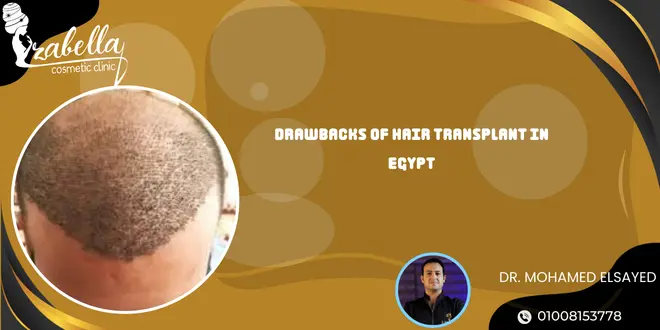
It’s normal to feel concerned about hair transplant issues in Egypt if you’re considering this procedure in the near future, especially if you’ve heard about the rare chances of failure or cases where a patient’s condition doesn’t meet the necessary requirements. First, you should know that hair transplantation is primarily a cosmetic procedure, so potential risks are usually minimal or nonexistent, with some side effects that typically disappear shortly after the treatment.
Before discussing the possible side effects, it’s important to look at the success rates and understand why results can vary from one patient to another.
How do hair transplant results vary from one person to another
Hair transplant results can differ from one individual to another due to several factors. It is important to maintain realistic expectations, as outcomes may not exactly match what was initially discussed with the doctor. Therefore, an objective perspective is essential when evaluating the results of a hair transplant.
Factors affecting results
- Patient expectations: Expectations should be realistic and aligned with what the doctor can achieve. Unrealistic expectations can lead to disappointment, making open communication between the doctor and patient before the procedure crucial.
- Medical center track record: It is essential that the clinic has a strong record of successful hair transplant procedures. This not only builds the patient’s confidence but also helps form a realistic understanding of potential outcomes.
- Consultation with the doctor: The only way to objectively assess potential results is through thorough discussion between the patient and doctor before the procedure. This includes agreeing on achievable results and reviewing before-and-after photos of previous cases, allowing the patient to form a realistic expectation.
Hair growth cycle and its impact on results
Human hair naturally goes through growth cycles, with about 10% of hair in the resting phase at any given time. This means that some hairs may shed and then regrow. Similarly, approximately 10% of transplanted hair undergoes this process, making it less visible until the result can be fully evaluated post-procedure. Therefore, the success of a hair transplant is generally measured by the 80% of transplanted hair that grows normally.
What is the Real Extent of Hair Transplant Side Effects
As mentioned, the side effects of hair transplantation are usually temporary and tend to fade over time. They are generally considered normal after any surgical procedure and rarely lead to serious complications. Let’s take a closer look at the potential side effects during and after the procedure, as well as how to manage them.
Potential Risks During the Procedure
- Anesthesia: Hair transplant procedures rely on local anesthesia, where a numbing agent like lidocaine is injected into the scalp. General anesthesia is not necessary for this procedure, which significantly reduces the risks. Reputable clinics typically use only local anesthesia to avoid complications associated with general anesthesia.
- Pain During the Procedure: The level of pain depends on the hair transplant technique used and the individual’s pain tolerance, which varies from person to person. The procedure involves making small incisions with a surgical blade or a specialized tool to extract hair follicles, and these incisions are then closed with stitches after the procedure. Modern techniques aim to minimize pain and promote faster healing.
Side Effects of Temporary Hair Transplants
Postoperative Swelling
Swelling may appear on the forehead and face within the first 36 hours after the procedure. To reduce swelling, patients should rest, avoid strenuous activities, and sleep on their back or relax in a comfortable chair. In severe cases, diuretics may be used, but swelling usually subsides on its own within a week.
Infections in Hair Follicles
The transplanted hair follicles may become infected, especially if the patient experiences mild pain accompanied by itching. Infections can result from bacterial contamination or irritation from the new grafts. Bacterial infections require antibiotic treatment, though they are uncommon.
Numbness or Tingling in the Donor Area
Tingling or numbness often occurs in the donor area where hair follicles were harvested. FUT strip transplantation may cause this due to the surgical incision, but the condition is usually temporary, and permanent numbness is rare.
Itching on the Scalp
Itching is the most common side effect but is typically temporary and a normal part of the healing process. Shampoos containing zinc or topical steroids can help relieve the discomfort.
Graft Failure
One of the most common concerns for those considering hair transplantation is graft failure. Transplanted grafts may shed during the first month, which is normal, and begin to grow again after about 3–4 months. In rare cases, the transplanted hair may continue to fall out for a longer period. This can usually be avoided by choosing a precise surgical technique and following the doctor’s instructions carefully.
Excessive Scarring
Abnormal scarring can occur due to genetic differences in collagen or the use of less advanced techniques. Scarring can be minimized by employing precise surgical hair transplant methods and taking care with sensitive wounds. If you have a history of healing complications, be sure to inform your doctor.
Scalp Pimples
Initially, pimples on the scalp may not be noticeable due to hair coverage. However, you may feel them when handling your hair, even during simple tasks like combing, which can cause discomfort. Instead of combing directly, you can gently move your hands over the scalp to avoid pain. While there are several treatments available for scalp pimples, maintaining good personal hygiene is the most important first step.
Long-Term Risks of Hair Transplantation
Individuals who have undergone a hair transplant may experience some long-term or permanent effects. The most notable of these include:
- Nerve Damage: Nerve injury can lead to a permanent loss of sensation in the affected area of the scalp.
- Tissue Necrosis: Tissue death may occur along the incision made on the scalp.
Scalp Care Steps
- Washing Hair: Make sure to wash your hair regularly using a moderate amount of shampoo to keep the scalp clean.
- Using Medicinal Ointments: You can apply ointments containing benzoyl peroxide or salicylic acid to effectively treat any pimples.
- Proper Hair-Washing Routine: Maintaining a regular hair-washing routine can gradually help reduce scalp pimples. If the condition worsens, it’s best to consult a doctor for appropriate treatment.
Minimizing Hair Transplant Risks After Surgery
To reduce the risks mentioned above, keep the following points in mind:
- Avoid Physical Exercise: Refrain from exercising for at least three days after the procedure. Increased physical activity can raise blood flow, potentially worsening bleeding, swelling, or even dislodging grafts.
- Follow Your Doctor’s Instructions: Carefully follow your doctor’s post-operative guidelines, including completing any prescribed course of antibiotics or steroids and caring for the transplant sites as directed.
- Avoid Unnecessary Hair Products: Avoid using unnecessary hair products for a few weeks after the surgery, as chemicals may irritate the scalp and the newly transplanted hair.
- Attend Follow-Up Appointments: Make sure to visit your doctor as scheduled for follow-ups. These check-ups help detect any problems early and prevent them from worsening, supporting the long-term success of the transplant.
Despite the potential risks or complications, hair transplantation is generally a simple procedure, and most side effects disappear within a few days. This is why many people opt for it, even though minor complications may occasionally occur.
Disadvantages of Hair Transplant in Egypt
Although hair transplantation in Egypt can be a good option for many due to its affordable costs and growing expertise in the field, there are some drawbacks to consider:
- Variation in quality: There is a significant difference in quality between clinics and centers. Some may not provide the same level of medical care or modern equipment available in other countries.
- Lack of experience and training: Some doctors and nurses may have less experience or training compared to their counterparts abroad, which could affect the results of the procedure.
- Non-compliance with international standards: Some clinics may not follow international guidelines regarding sterilization and surgical procedures, increasing the risk of infection and complications.
- Use of outdated techniques: Certain centers may rely on older hair transplant methods instead of modern, advanced techniques that deliver better and faster results.
- Communication issues: Foreign patients may face language barriers with doctors and staff, which can lead to misunderstandings about the procedure and post-operative instructions.
- Lack of long-term follow-up: Some clinics may not offer extended post-operative care, making it difficult for patients to monitor their progress and achieve the best results.
- Unrealistic expectations: Some clinics may lack transparency in setting realistic expectations, leading patients to have unrealistic hopes about the outcomes.
Why Isabella Center is One of the Best Hair Transplant Clinics in Egypt
For these reasons, Isabella Center is considered one of the top hair transplant centers in Egypt. We use the latest hair transplant techniques with highly experienced doctors and provide long-term follow-up to ensure the best possible results. The center also offers several additional advantages, including:
- Commitment to international standards: We adhere to the highest sterilization and surgical standards to ensure patient safety and comfort.
- Comfortable and supportive environment: We provide a relaxed and supportive environment to help reduce the stress and anxiety associated with surgical procedures.
- Personalized services: We offer individual consultations and customized treatment plans tailored to each patient’s needs, ensuring natural results and a healthy appearance.
- Latest technologies: We use the most advanced hair transplant techniques, FUE hair transplant and robotic hair transplant, enhancing precision and quality of results.
- Post-operative care: Comprehensive post-operative care is provided, including regular follow-ups and scalp care to ensure fast recovery and optimal outcomes.
- Successful patient experiences: We have a long record of successful procedures and satisfied patients, reflecting our commitment to quality and professionalism.
With these outstanding features and services, Isabella Center aims to ensure patient satisfaction and deliver the best possible hair transplant experience in Egypt.

