

No surgical procedure is without its pros and cons, and today we will focus on the drawbacks of hair transplantation using the follicular unit extraction (FUE) method. Although this technique is one of the most advanced and widely used approaches for treating hair loss and hereditary baldness, it does have some disadvantages that should be understood. To learn more about these drawbacks and how to avoid them, continue reading this article.
Hair Transplantation Using the FUE Technique
Hair transplantation with the Follicular Unit Extraction (FUE) technique is a surgical procedure designed to treat hereditary baldness. It involves transferring hair follicles from the donor area, located at the back of the scalp, to the bald or thinning areas.
Drawbacks of Hair Transplantation Using the FUE Technique
Although the Follicular Unit Extraction (FUE) method has proven highly effective, with a success rate exceeding 98%, there are some risks associated with the procedure, including:
- Possibility of bleeding, which largely depends on the skill and experience of the surgeon.
- The procedure may leave noticeable scars on the scalp.
- Extracted follicles may be damaged if the surgeon lacks sufficient expertise.
- Risk of scalp infection due to inadequate sterilization during the procedure or failure to follow post-operative care instructions.
How to Avoid Risks in Hair Transplantation
To minimize the risks associated with FUE hair transplantation, follow these guidelines:
- Carefully follow all instructions and guidance provided by your doctor.
- Avoid smoking and alcohol before and after the procedure.
- Inform your doctor of any existing medical conditions or medications you are taking prior to the procedure.
- Choose a highly experienced and skilled surgeon to ensure the success of the procedure and reduce the risk of bleeding or follicle damage.
- Take prescribed antibiotics on schedule and follow any recommended plasma treatments.
- Maintain proper scalp hygiene.
- Avoid direct sun exposure after the procedure.
- Avoid putting pressure on or rubbing the scalp.
Reasons for Hair Transplant Failure with the FUE Technique
Several factors can lead to the failure of a hair transplant using the FUE (Follicular Unit Extraction) method or other techniques, the most notable of which are:
- Having chronic illnesses such as diabetes, high blood pressure, or heart disease.
- Being affected by viral diseases, such as HIV/AIDS.
- Undergoing radiation therapy or having cancer.
- Insufficient hair in the donor area.
- Direct exposure to sunlight after the procedure.
- Postoperative infections.
- Lack of experience on the part of the surgeon performing the procedure.
- Suffering from anemia.
Not following the doctor’s instructions after surgery, such as taking prescribed antibiotics or caring for the scalp properly.
Signs of Hair Transplant Failure
Signs that a hair transplant may have failed include:
- Deformity in the donor area and the appearance of scars on the scalp.
- Loss of transplanted hair without regrowth.
- Scalp inflammation.
- Transplanted hair growing in the wrong direction.
- Infection in the scalp.
How is Hair Transplantation Using the FUE Technique Done
Hair transplantation with the FUE (Follicular Unit Extraction) technique:
- Before the procedure: The doctor begins by requesting a series of tests to ensure there are no underlying health issues, such as anemia or chronic diseases. Then, the area to be transplanted is precisely determined, including designing the front hairline and calculating the number of grafts needed for the procedure. Finally, a date is scheduled for the surgery.
- During the procedure: The scalp is numbed with local anesthesia. The doctor then extracts the grafts from the donor area using precise instruments. Small channels are created in the recipient area, and the grafts are implanted using specialized metal needles.
- After the procedure: The doctor monitors the patient’s condition and prescribes plasma therapy, suitable shampoo, and antibiotics. Follow-up continues to ensure the best possible results.
How long does a hair transplant take
A hair transplant usually takes between 4 to 6 hours, with short breaks during the procedure.
Advantages of hair transplantation using FUE
The FUE technique is considered one of the best hair transplant methods, offering several benefits, such as:
- Minimal to no pain during the procedure.
- Precise and professional design of the front hairline.
- Minimal surgical intervention.
- No visible scars on the scalp.
- Ability to return to normal life within 3 to 5 days after transplantation.
My Experience with Hair Transplantation Using the FUE Technique
Here is Youssef’s experience at Isabella Hair Transplant Center in Egypt:
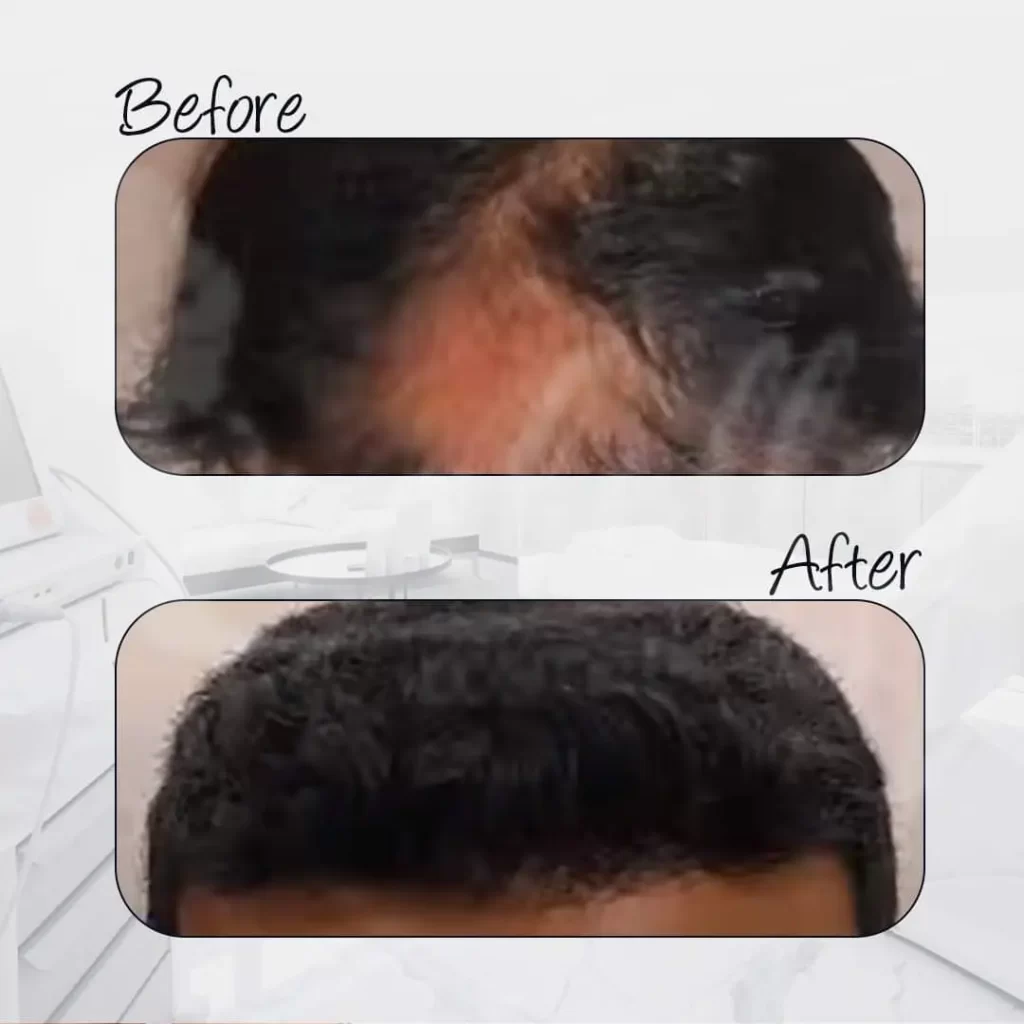
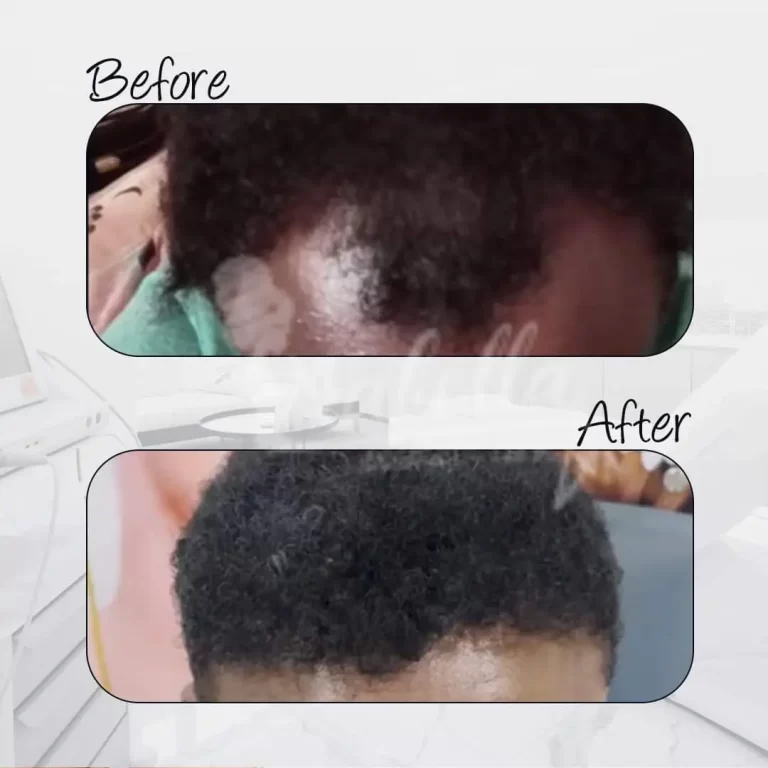
Youssef, 27 years old, had been struggling with hereditary baldness and had tried numerous products and treatments without success. He finally decided to visit Dr. Mohamed El-Sayed for a hair transplant. After conducting the necessary examinations and precisely determining the level of hair loss and the number of grafts required, the procedure was carried out successfully. Youssef followed the doctor’s post-surgery instructions carefully, and after one year, he achieved satisfying and successful results from the hair transplant.
Alternatives to Hair Transplantation
There are several alternatives to hair transplantation, but it’s important to consult a doctor to determine the most suitable option. Some of these alternatives include:
- Using medications such as Minoxidil and Finasteride.
- Plasma injections to stimulate hair growth.
- Mesotherapy injections to treat hair loss.
- The Regenera technique to fill gaps and address hair thinning.
Frequently Asked Questions
What are the long-term risks of hair transplantation
If the hair transplant is performed professionally by experienced doctors, there are no significant long-term risks.
Can hair transplantation cause cancer
Hair transplantation does not cause cancer. It is a safe procedure that involves transferring hair follicles from one area of the scalp to another, and these follicles do not pose any risk in this regard.
Does the donor area grow back
No, hair taken from the donor area does not grow back. The procedure focuses on distributing the follicles evenly rather than replicating them.
Does hair transplantation last a lifetime
Yes, hair transplantation is permanent. The transplanted hair behaves just like natural hair, following the same growth cycle. However, it is important to take proper care of the transplanted hair and follow the doctor’s instructions after the procedure to achieve the best possible results.
After reviewing the potential drawbacks of FUE hair transplantation and ways to avoid them for optimal results, you can now book an online consultation by contacting us via WhatsApp.

