


Curly hair transplantation is a relatively simple procedure, but it requires a high level of expertise and precision from the doctor due to the unique nature of curly hair. This procedure is considered an effective solution for hair thinning and baldness. Below is detailed information about curly hair transplantation in particular, along with the best techniques that can be used for this type of hair.
What is curly hair
Curly hair is a type of hair that many people prefer over straight hair because of its unique look, defined by natural waves and beautiful curls. The degree of curl varies from one person to another. Like other hair types, people with curly hair may experience issues such as androgenetic alopecia, hair loss, or a loss of curl definition, which can affect their overall appearance and reduce their self-confidence. This is where curly hair transplantation comes in as an effective solution to address various hair-related concerns.
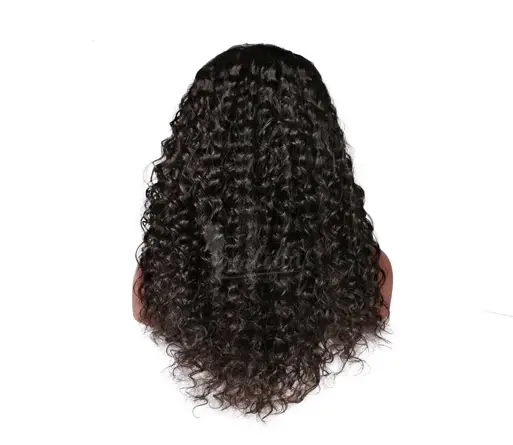
Advantages and Benefits of Curly Hair Transplantation
Hair transplantation is generally aimed at restoring lost hair in areas affected by thinning or hair loss, as well as recreating the natural curl pattern for individuals with curly hair. The technique used can vary depending on hair type, follicle density, root structure, and other individual factors.
Restoring natural hair can significantly boost self-confidence and improve overall satisfaction with one’s appearance. It is considered a long-term solution compared to wigs or other topical treatments.
This procedure also helps restore natural curls and enhances the overall look of the hair. In addition, it increases hair density in areas experiencing hair loss, as the surgeon implants hair follicles individually into the targeted areas, resulting in a fuller and more natural appearance even with a relatively small number of grafts.
The Difference Between Curly and Straight Hair Transplants
Hair transplantation whether for curly or straight hair requires a high level of skill and specialized care from the surgeon to achieve satisfying results. However, there are some key differences between transplanting curly and straight hair, largely due to the natural characteristics of each type.
Curly hair typically has fewer follicular roots, and the follicles tend to lie parallel to the surface of the skin. In contrast, straight hair follicles usually grow in a more vertical direction. Additionally, the tissue surrounding curly hair follicles is often denser and firmer compared to the softer tissue of straight hair follicles.
Because of these differences, curly hair can create the appearance of greater density after transplantation, even with fewer grafts. Its natural texture gives it a fuller look, meaning that a smaller number of transplanted follicles can still produce a thick and dense appearance.
What is the best technique for curly hair transplantation
Due to the strong structure of curly hair follicles, extracting them without causing damage can be quite challenging. For this reason, some doctors consider the strip method (FUT) to be the most suitable option for curly hair, as it involves removing a full strip of follicles and transplanting it to the target area, helping preserve follicle integrity. On the other hand, some doctors prefer the follicular unit extraction (FUE) technique because it allows for more precise and easier extraction. Many experts believe that Micro Graft FUE is the ideal choice for curly hair transplantation, as it enables the transfer of smaller follicular units to the target areas using specialized, fine instruments designed for this purpose.
Tips to Improve the Results of the Procedure
To achieve the best possible results from a hair transplant, it is important to follow a set of guidelines and precautions. The most important ones include:
Follow your doctor’s instructions
It is essential to carefully follow your doctor’s advice to achieve satisfactory results and support the healing process. These instructions may include avoiding strenuous activities during the first week after the procedure, using suitable hair care products, and limiting direct exposure to sunlight.
Maintain a healthy diet
Following a healthy diet plays a major role in hair health and growth. Doctors عادةً recommend eating balanced meals rich in essential vitamins and minerals, along with protein-rich foods such as fish, meat, and nuts, as they help promote stronger and healthier hair growth.
Adopt a curly hair care routine
You should consult your doctor about the appropriate products to use for washing and moisturizing the transplanted hair. The success of curly hair transplantation largely depends on consistent and proper post-procedure hair care.

When does curly hair start growing after a transplant
After a curly hair transplant, it is common for the transplanted hair to go through a temporary shedding phase that lasts for several weeks. This is a normal part of all hair transplant procedures. Following this, there is a waiting period of several months before the new hair begins to grow naturally. Initial results appear gradually, and it may take between 6 to 9 months or even up to a full year to see the final outcome.
Can the density of transplanted hair be increased
As mentioned earlier, higher hair density can be achieved even with fewer grafts in the case of curly hair. Generally, hair density can improve after transplantation compared to its pre-procedure state, which is the main goal of hair transplantation. Additionally, by following proper care instructions and maintaining long-term hair care, the density can continue to improve gradually over time.

