

Many women experience hair thinning, which may appear as a general reduction in hair density across the scalp or be more concentrated in specific areas. Unlike men, a receding hairline from the forehead toward the top of the head is relatively uncommon in women.
Below are some of the most common causes of hair loss in women:
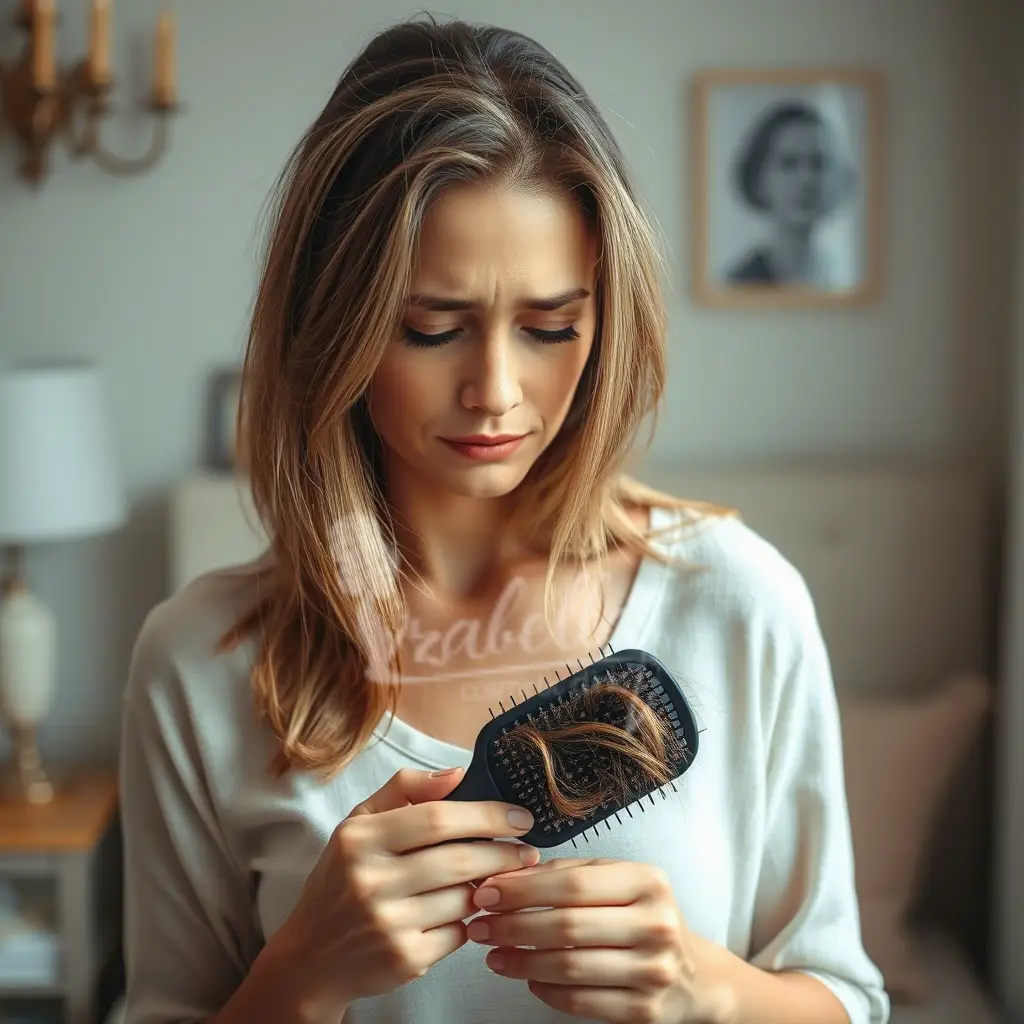
The main causes of hair loss in women
Hair loss in women can result from a wide range of factors. It may be linked to nearly 30 different medical conditions, as well as certain lifestyle habits. In some cases, there may be no clear or identifiable cause. Hair specialists usually recommend starting with thyroid function tests and checking hormone levels, as restoring balance often helps hair return to its normal growth cycle. Below are some of the most common causes of hair loss in women:
Thyroid disorders and their impact on hair loss
The thyroid gland, located at the front of the neck and shaped like a butterfly, plays a vital role in producing hormones that regulate many essential body functions. When its activity becomes imbalanced whether through overproduction or underproduction of hormones—hair growth can be negatively affected, leading to hair loss. However, hair loss is rarely the only symptom of thyroid disorders, and it is often accompanied by other signs such as:
- Noticeable changes in weight, either gain or loss
- Increased sensitivity to heat or cold
- Irregular heart rate
Alopecia
Alopecia is a condition characterized by patchy hair loss, where the immune system mistakenly attacks healthy hair follicles. In most cases, the damage is not permanent, and hair typically grows back within six months to a year. However, in rare instances, it may progress to complete loss of hair on the scalp and body.
Read also: Types of hereditary hair loss in women
Polycystic Ovary Syndrome (PCOS)
This is a common condition among women, characterized by a chronic hormonal imbalance, often involving increased estrogen levels. This imbalance can lead to a range of symptoms, including:
- Excess hair growth on the face and body
- Reduced scalp hair growth, leading to thinning
- Irregular ovulation
- Acne
- Unexplained weight gain
In some cases, hair thinning may be the only noticeable sign of the condition.
Childbirth
During pregnancy, some women notice that their hair becomes thicker and fuller. This is due to elevated hormone levels that keep hair in its resting phase, reducing shedding. However, this effect is temporary. After childbirth, hormone levels begin to return to normal, causing the hair that remained in the resting phase to shed more rapidly. This can result in noticeable hair loss over a period ranging from a few months to up to two years.
Birth Control Pills
Birth control pills can sometimes contribute to hair loss as a side effect. The hormones in these pills, which work by suppressing ovulation, may lead to hair thinning in some women especially those with a family history of hair loss. In certain cases, hair shedding may begin after stopping the pills.
In addition to birth control pills, other medications may also be linked to hair loss, including blood thinners, medications for high blood pressure, heart disease treatments, arthritis medications, and antidepressants.
Experts note that genetics and age play a significant role in hair loss, particularly with the hormonal changes that occur during menopause. At this stage, hair may become generally thinner across the scalp, although a receding hairline is relatively uncommon in women.
Tinea Capitis
Tinea capitis is a fungal infection that affects the scalp and leads to hair loss in specific areas. It typically appears as round, bald patches accompanied by redness, irritation, and itching. The infection spreads easily through direct contact, making early screening important for family members if similar symptoms appear. With proper antifungal treatment, the condition can be effectively managed, helping restore scalp health and promote hair regrowth.
Read also: Causes of hair loss in girls
Causes of Hair Loss After Childbirth
Hair loss after childbirth is a common issue experienced by many women, and it is often mistakenly attributed to breastfeeding. However, there is no strong scientific evidence to support the idea that breastfeeding increases hair loss. In reality, postpartum hair loss is mainly linked to hormonal changes that occur after delivery. The main causes include:
- Hormonal changes: During pregnancy, estrogen levels rise, keeping hair in the growth phase for a longer time. After childbirth, hormone levels return to normal, leading to the shedding of hair that was retained during pregnancy.
- Stress and fatigue: Emotional well-being plays a significant role in hair health. The stress and exhaustion associated with caring for a newborn and adjusting to lifestyle changes can negatively impact hair growth.
- Iron deficiency: Many women experience low iron levels after childbirth, especially if there was significant blood loss during delivery. Iron deficiency can contribute to hair shedding and weakened hair growth.
- Thyroid disorders: Conditions such as hyperthyroidism or hypothyroidism can cause hair loss. These disorders are relatively common after childbirth and require proper diagnosis and treatment.
- Folliculitis: In some cases, inflammation of the hair follicles can affect the scalp, leading to hair loss.
Tips for Managing Postpartum Hair Loss
- Healthy nutrition: Make sure your diet is rich in iron, protein, and essential vitamins to support hair health.
- Stress management: Try to get enough rest and practice relaxation techniques to reduce stress.
- Consult a doctor: If you notice excessive hair loss, it’s important to consult your doctor to check your iron levels and thyroid function.
Surgical Treatment of Hair Loss in Women
Surgery is one of the available options for treating severe hair loss in women. The most prominent of these procedures is hair transplantation, which is performed using a variety of methods and techniques.
Hair transplantation is typically recommended for women who have lost a significant amount of their hair. The procedure involves extracting hair follicles from a donor area usually the back of the scalp and transplanting them into the areas affected by hair loss.
Hair transplantation is generally considered a last resort, especially in cases where the damage is irreversible, such as alopecia or exposure to certain toxic chemicals.
You can contact Isabella Center to learn more details about hair transplant procedures.
Advantages of Surgical Treatment for Hair Loss in Women
Surgical treatments for hair loss offer several benefits, including:
- Hair regrowth: They help restore hair density and vitality, bringing back a natural appearance.
- Effective for advanced cases: They are a suitable solution for severe hair loss that does not respond to conventional treatments.
- Visible results: Improvement becomes noticeable gradually over time, providing clear and tangible outcomes.
- High success rate: These procedures generally have high success rates, making them a reliable option for many women.
Read also: Hair Transplant Techniques in Egypt
Disadvantages of Surgical Treatment for Hair Loss in Women
Despite their benefits, surgical treatments for hair loss come with some drawbacks, including:
- High cost: Procedures such as hair transplantation can be expensive, making them inaccessible to some individuals.
- Risk of failure: There is a possibility that the procedure may not succeed or may not deliver the expected results.
- Long recovery period: These treatments require time for the final results to appear and for hair density to improve.
- Potential complications: Surgery may lead to complications such as infection or bleeding, which could affect the outcome or worsen hair loss.
- Intensive aftercare: Hair transplantation requires careful scalp care during recovery, along with avoiding certain activities to reduce the risk of failure.
Read also: Hair Transplant Using the DHI Technique
Home Remedies for Hair Loss in Women
Home remedies are a popular option for addressing hair loss, as they rely on natural ingredients and oils known for supporting hair health and reducing shedding. These methods are easy to apply, widely available, and suitable for many cases. Among the options that can help reduce severe hair loss in women are:
- Natural oils: Such as coconut oil, rosemary oil, and olive oil. These oils nourish the hair follicles and promote growth thanks to their moisturizing and soothing properties for the scalp.
- Aloe vera gel: Known for its therapeutic benefits in combating hair loss, it helps soothe the scalp and encourages healthy hair growth.
- Onion juice: Rich in anti-inflammatory and antioxidant properties, making it a useful option for treating hair loss caused by conditions like alopecia.
- Green tea: Contains powerful antioxidants that help reduce inflammation around hair follicles and support healthy growth.
- Scalp massage: Regular massage is an effective way to improve blood circulation to the scalp, helping deliver essential nutrients to the hair follicles for stronger, thicker growth.
- Healthy diet: In cases where hair loss is linked to poor nutrition, improving the diet and consuming foods rich in essential nutrients can significantly enhance hair health and reduce shedding.
Read also: Seven oils for treating hair loss
Alternative Medical Treatments for Hair Loss
Alternative treatment options for severe hair loss in women include the following:
PRP Hair Injections
This procedure is performed in a clinic by drawing a small sample of the patient’s blood and separating the plasma from it. The prepared plasma is then injected into multiple areas of the scalp. This treatment helps improve hair density, enhance follicle activity, and boost overall hair vitality. PRP Hair Injections can be repeated several times until the desired results are achieved.
Laser Stimulation of Hair Follicles
This technique, sometimes referred to as laser hair therapy, relies on low-level laser energy to stimulate hair follicles and improve blood circulation in the scalp. This, in turn, promotes healthier follicles and supports better hair growth, leading to increased thickness.
Laser therapy can be used as a standalone treatment or alongside hair transplantation, offering significant benefits in both cases.
Hair Loss Treatment with Medications
Although medications may not be highly effective in cases of severe hair loss, they can yield positive results in some situations. Some of the most commonly used medications include:
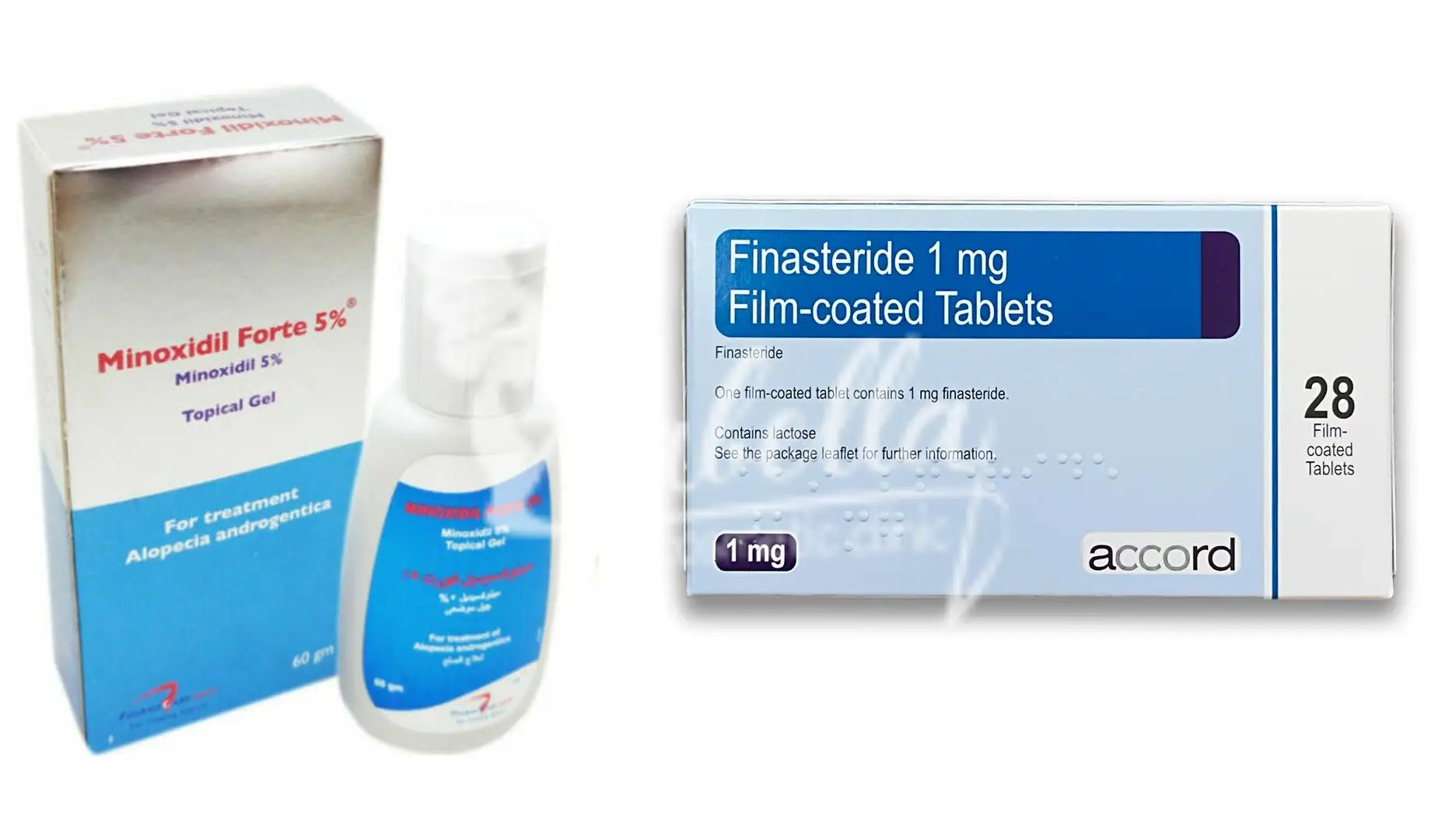
- Minoxidil: An over-the-counter medication that helps stimulate hair growth.
- Kirella Lotion: Kirella solution can be used to promote hair regrowth and improve hair density. It contains active ingredients that stimulate and strengthen hair follicles, and it is known for enhancing blood circulation in the scalp.
- Finasteride: A prescription medication that addresses hair loss by affecting hormonal mechanisms.
Each of these treatments has its own benefits and applications, and the most suitable option should be chosen based on the patient’s condition in consultation with a specialist doctor.
Also read: Hair Loss Treatment Prescription
Treatment for Severe Hair Loss in Women at Isabella Center
If you are struggling with severe hair loss, Isabella Center offers innovative and effective solutions to restore your hair’s vitality and thickness. The center utilizes advanced treatment techniques suitable for all cases, ranging from hair transplantation using the latest technologies to non-surgical procedures such as plasma injections and laser sessions to stimulate follicle growth.
At Isabella Center, the medical team has extensive experience in accurately diagnosing the causes of hair loss. Doctors conduct a comprehensive assessment for each patient to determine the most appropriate treatment. Whether hair loss is due to hormonal factors, stress, or nutritional issues, the team develops personalized treatment plans to ensure the best possible results.
Thanks to the center’s state-of-the-art equipment, you can benefit from the latest diagnostic and transplantation devices, ensuring precise and efficient procedures with natural and comfortable results. The center also emphasizes nutrition as an essential part of treatment. Nutrition specialists design comprehensive dietary programs that strengthen hair from the roots and support overall hair health.
Additionally, Isabella Center offers a curated range of hair care products made with effective natural formulas. These products, including oils, creams, and conditioners, are carefully designed to meet the needs of damaged or thinning hair. They are available for direct order, delivered conveniently to your home.

