

Have you ever imagined your face without eyebrows? Maybe it never crossed your mind, but what if you lost your eyebrow hair partially or completely, or if you’ve always had thin eyebrows since birth wouldn’t that bother you
Women are always concerned with their beauty and keeping up with the latest fashion trends. Since a face is never truly complete without well-defined, bold eyebrows, modern cosmetic treatments now give you the chance to achieve the eyebrows of your dreams. Whether you want them thick, long, or wide, you can now make it a reality through eyebrow transplantation.
What Causes Eyebrow Hair Loss
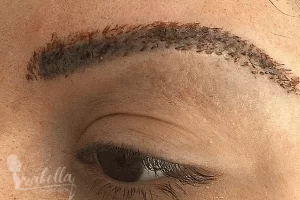
For a long time, women have plucked their eyebrows to shape them, and over time, this can make the eyebrows thinner because some hairs may stop growing back. This may be suitable for those who prefer thin eyebrows, but if you prefer thick and full brows, this is not ideal.
Eyebrow thinning can also result from scars or burns in the area. However, there’s no need to worry, as eyebrow transplantation is an excellent solution to restore the density and beauty of your brows.
Causes of Eyebrow Hair Loss
If you notice that one or both of your eyebrows have become sparse due to hair loss, there can be several reasons, such as infections, skin injuries, hormonal changes, or an overactive immune system. Nutritional deficiencies and psychological stress can also contribute to thinning eyebrows.
Understanding the cause helps you and your doctor find the right treatment, whether it’s to prevent further hair loss or to determine if eyebrow transplantation is necessary.
Some common causes of eyebrow hair loss include:
Alopecia
This is an autoimmune condition in which your immune system mistakenly attacks hair follicles, slowing or stopping hair growth. It can appear in various forms, such as bald patches, hair loss in random areas, or even loss of eyebrow hair.
If you are experiencing eyebrow hair loss, it is important to consult a doctor to determine the cause and receive the appropriate treatment to restore the beauty of your eyebrows.
Nutrient Deficiency
The human body requires a variety of nutrients, including carbohydrates, proteins, and fats, as well as vitamins and minerals. These nutrients play a vital role in hair growth and maintenance, and a deficiency in any of them can lead to hair loss.
A lack of vitamin A or zinc, for example, may slow hair growth and reduce the oils that keep hair healthy and shiny. Other important nutrients include biotin (vitamin B7), vitamin C, iron, vitamins E, B12, and D, cysteine, and omega-3 fatty acids.
Contact Dermatitis
When the skin comes into contact with an allergen or toxic substance, it can cause inflammation and irritation. If the inflammation occurs in the eyebrow area, it may hinder hair growth there.
Thyroid Problems
The thyroid gland produces hormones that regulate metabolism. Any imbalance in hormone production can affect hair growth. Hypothyroidism may lead to fatigue and weight gain, while hyperthyroidism can cause a rapid heartbeat and weight loss.
Stress and Anxiety
Stress and anxiety can affect the body in various ways, such as reducing oxygen flow to hair follicles and altering hormone levels, which may lead to eyebrow hair loss.
Pregnancy and Childbirth
Hormonal changes during pregnancy and childbirth can affect the hair growth cycle, leading to hair loss.
Aging
As we age, hormone levels such as estrogen in women and testosterone in men decrease, which can impact hair growth.
Frequent Hair Plucking or Overuse of Beauty Products
Excessive plucking of eyebrows can damage hair follicles and halt hair growth. Similarly, prolonged heavy use of makeup may cause comparable damage.
Chemotherapy
Chemotherapy targets rapidly dividing cells, including hair cells, which often results in hair loss.
What is Eyebrow Hair Transplant
An eyebrow hair transplant is a simple cosmetic procedure performed under local anesthesia. It doesn’t require a hospital stay, as it is usually carried out in cosmetic clinics on a daily basis.
To achieve natural and healthy eyebrows, around 400 hairs are typically transplanted, although this number can vary depending on hair type, eyebrow shape, and the extent of hair loss.
During the procedure, each hair is implanted individually to ensure the desired density and shape while maintaining a natural appearance.
When Should You Consider Eyebrow Transplant
If you want a youthful and attractive look, don’t underestimate the importance of your eyebrows. They reveal your real age, even if your skin appears smooth and wrinkle-free, as factors such as illness can weaken eyebrow hair.
Eyebrow transplantation provides a natural result, making your face look healthier and younger while restoring your beauty remarkably. Although recovery is generally quick, it’s essential to choose an experienced doctor and a clinic equipped with the latest technologies to achieve the best results.
When Are You Ready for Eyebrow Transplantation
You might consider an eyebrow transplant for various reasons, such as hair loss due to stress, immune system issues, or the effects of chemotherapy.
The decision to undergo a transplant is a personal one, taken when you feel the need to enhance the appearance of your eyebrows. In most cases, it’s a simple and safe procedure.
The results are always impressive you’ll enjoy full, beautiful eyebrows that give your face a youthful and vibrant look.
What Happens During an Eyebrow Transplant
You won’t need to stay in the hospital; all that’s required is local anesthesia, and the procedure is generally straightforward. The doctor works with great precision to achieve the best results.
Typically, each eyebrow requires between 250 and 400 hairs to create a natural and attractive look. The exact number may vary depending on the size and shape of your eyebrows and the appearance you want to achieve.
The doctor will implant each hair following its natural growth direction to ensure a uniform and dense appearance, while maintaining the proper alignment with the skin.
Small needles are used to extract hair follicles from the area behind the ears, and these follicles are then implanted using very fine needles to ensure accuracy.
Before the procedure, the doctor will locally anesthetize the area so you feel comfortable without any discomfort. Once the procedure is finished, you can go home immediately there’s no need to stay at the clinic.
What You Need to Know After an Eyebrow Transplant
After the procedure, make sure to care properly for the transplanted area, avoid direct sunlight and sharp tools, and try not to scratch. Use a gentle, safe soap.
You may notice some minor bruising and swelling for a short period, but there’s no need to worry. Healing is quick and usually painless.
Eyebrow transplant results appear gradually, and it may take some time to achieve the desired shape and density. Some hairs may shed in the first few weeks, which is normal and part of the new growth process. The hairs will continue to grow until the final results are achieved, which can take up to a full year.

