

Many men face the challenge of filling in patchy areas of the beard, and beard transplantation has emerged as an effective solution for achieving a fuller, more even appearance. This procedure has become a popular choice for those dealing with gaps in the beard, whether due to genetic factors or other causes, as it helps enhance overall appearance and boost self-confidence. In this article, we explore the key details of the procedure, from the reasons behind beard gaps to the results one can expect.
What Are Beard Gaps
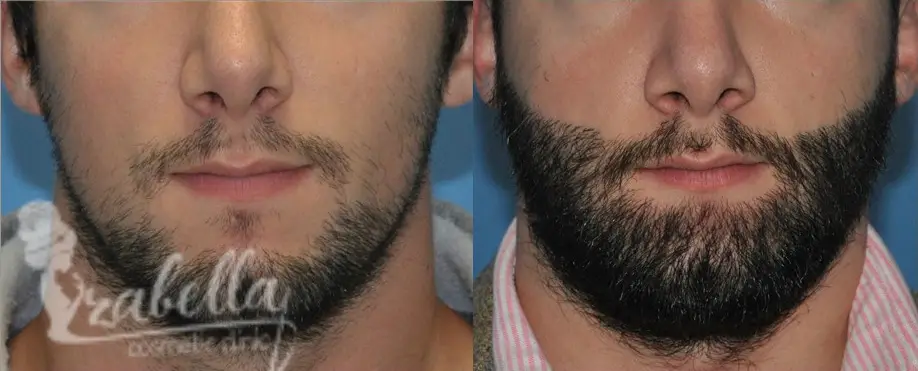
Many people are familiar with hair gaps on the scalp, where certain areas are either completely bare or have such low density that the scalp is visible. Similarly, men can have gaps in their beard or chin area. These gaps may appear as small patches without hair or larger areas where hair grows sparsely or not at all, giving the beard an uneven appearance with scattered strands.
What Causes Gaps in the Beard
Several factors can lead to gaps in the beard or hair loss in that area, including:
- Hormonal imbalances: Certain hormonal changes can affect hair growth in the beard.
- Genetic factors: Genes can play a major role in preventing dense beard growth.
- Skin conditions: Conditions such as alopecia may cause patches without hair in the beard area.
- Unhealthy habits: Poor hair care or an unbalanced diet can impact beard growth.
- Injuries and burns: Previous wounds or burns may result in hair loss on the chin.
- Previous surgeries: Surgical procedures or stitches in the chin area may affect hair growth.
Beard Gap Treatment
There are several ways to address beard gaps, and beard gap treatment is one of the most effective approaches, with beard hair transplantation being a popular option. These procedures can benefit some individuals, though results may vary. Hair transplant techniques are not limited to the scalp they also include beard and eyebrow restoration. Beard transplantation offers a permanent solution for beard gaps, helping achieve a fuller and more balanced appearance.
Before Beard Gap Transplantation
Before undergoing a hair transplant in the beard area, there are important steps to follow to ensure the procedure’s success, including:
- Beard area examination: The doctor evaluates the area and determines the number of grafts needed.
- Medical history review: The patient’s medical history is checked to ensure there are no health issues that could prevent the procedure.
- Photographs: Pictures of the beard are taken to compare results before and after the procedure.
- Medical instructions: The patient receives important guidelines, such as stopping smoking for a period before the procedure.
- Avoiding certain medications: Medications and supplements that thin the blood, such as aspirin, should be avoided to reduce the risk of bleeding.
Steps of Beard Gap Transplantation
Beard hair transplantation is performed using techniques similar to those used in scalp hair transplants, and typically involves the following steps:
- Local anesthesia: The donor area on the scalp and the beard area are numbed using local anesthesia.
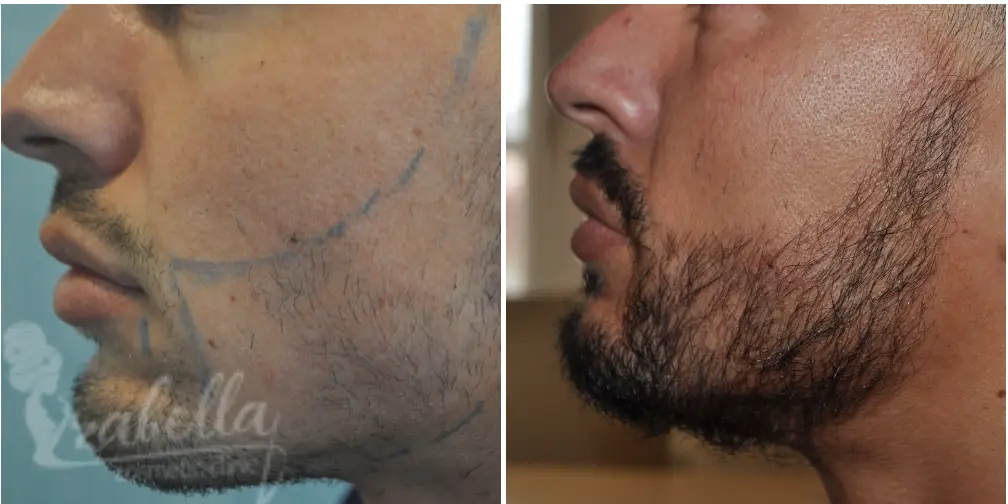
- Designing the beard shape: The doctor carefully outlines the desired beard shape.
- Follicle extraction: Hair follicles are extracted from the scalp using a precise instrument.
- Follicle implantation: The extracted follicles are then implanted into the beard area one by one.
The follicular unit extraction (FUE) technique is the most commonly used method and is widely preferred by both patients and doctors for treating beard gaps.
Read also: Hair transplant techniques in Egypt
Beard Gap Transplant in Scarred Areas
Scars caused by wounds, injuries, burns, or stitches can lead to noticeable gaps in the beard, which raises the question of whether hair transplantation is possible in these areas. The good news is that this procedure can generally be performed without major issues. It is carried out in a way similar to hair transplantation in other parts of the body. However, it’s important to note that the density of transplanted hair in scarred areas may not match that of healthy skin, due to fibrosis that can reduce blood flow to those regions. More detailed information about success rates in such cases can be found through specialized medical sources.
After Beard Gap Transplantation
Following a beard gap transplant, some mild and temporary side effects are expected, such as redness, itching, and a tingling sensation during the first couple of days. These symptoms usually subside gradually, especially when the patient follows the doctor’s instructions carefully. Important recovery tips include:
- Keep the area dry: Avoid exposing the beard area to moisture during the first few days after the procedure.
- Avoid scratching: Do not scratch or rub the treated area.
- Limit product use: Refrain from applying any products to the beard unless approved by your doctor.
- Avoid direct sunlight: Stay away from direct sun exposure during the first week.
- Take prescribed antibiotics: Use antibiotics if they are prescribed to help prevent infection.
By following these guidelines, healing can be faster and the overall results of the procedure can be optimized.
Are the results of beard patch hair transplantation permanent
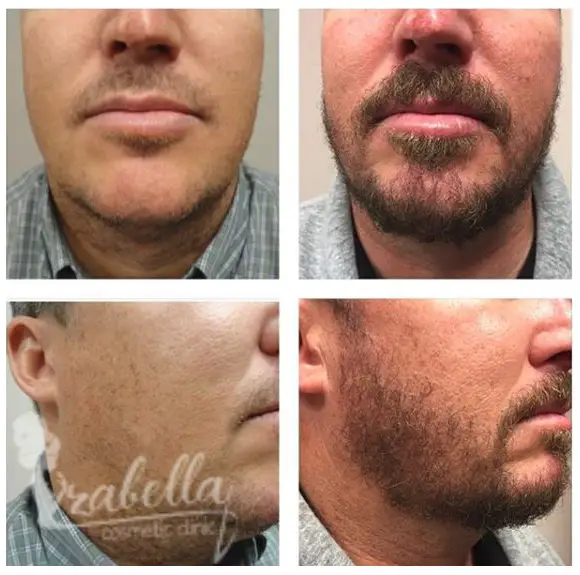
Hair transplant procedures, including those used to fill in beard patches, generally have very high success rates in most cases. The results are typically permanent, provided that the patient is a suitable candidate for the procedure and follows the doctor’s instructions both before and after the treatment. Factors that may influence the outcome include the body’s individual response and the level of post-procedure care. In addition, maintaining a healthy lifestyle and avoiding smoking and alcohol can help preserve the results over the long term.
We hope this has provided you with a clear and comprehensive overview of beard patch transplantation, from how the procedure is performed to what to do before and after it. If you have any further questions or would like to book an appointment, please feel free to get in touch.

