



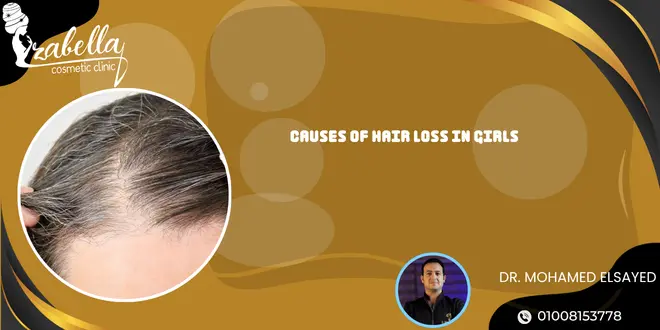
Hair loss is one of the challenges many girls face, as hair is a key element of beauty and self-confidence. While it is normal for hair to shed daily at a certain rate, some girls experience excessive hair loss that affects its density and appearance, causing worry and frustration. The causes of hair loss in girls can vary and may be related to genetics, poor nutrition, hormonal changes, or psychological stress, in addition to the use of certain chemical hair treatments. This article will explore the main reasons for hair loss in girls and highlight the most effective solutions to maintain healthy and beautiful hair.
The Nature of Hair Growth
On the scalp, there are approximately 100,000 hairs on average, and hair growth occurs in three main stages. The first stage involves active hair growth, lasting between 2 to 6 years. This is followed by a resting phase, during which hair stops growing. After these stages, each lost hair is replaced by a new one. On average, hair grows about 1 cm per month.
Typically, around 85% of hair follicles are in the growth phase, while 15% are in the resting phase these are the follicles most likely to shed. It is normal to lose between 50 to 100 hairs per day, and hair loss can reach up to 250 hairs on washing days, which over time may lead to thinning hair.
Common Causes of Excessive Hair Loss in Girls
Hormonal Changes
During adolescence, there are significant changes in female hormone levels, such as estrogen, which directly affect the health of the skin and hair and may cause mood swings. These hormonal changes affect both girls and boys, but they are a common cause of hair loss in girls.
Poor Nutrition
Healthy nutrition plays a crucial role during adolescence. Strict diets, nutrient deficiencies, or excessive consumption of fast food can lead to hair loss in girls. Lack of proteins and vitamins initially affects the health of the skin and hair, and over time, this may result in weakened hair and increased shedding.
Traction Alopecia from Hair Styling
Some girls pull their hair back tightly or wear it in a ponytail, which can thin hair along the hairline and cause the front hair to recede. Using hair extensions can also place extra stress on hair follicles, contributing to hair loss over time.
Patterned Hair Loss Problem
Patterned hair loss usually appears along the parting line and may gradually widen over time. This type of hair loss is often linked to genetic factors and can be worsened by hair-pulling during styling or washing. It affects both girls and boys, but it is more common among girls.
The Most Common Cause of Hair Loss in Girls
Hormonal changes are one of the leading causes of hair loss in girls. During adolescence, significant hormonal shifts occur, leading to various physical and emotional changes. This period is often accompanied by feelings of stress, fear, and anxiety, which can prompt some girls to unconsciously engage in behaviors like hair-pulling or hair-breaking without realizing it.
Hormonal fluctuations can also result in acne, which may require medications or treatments that could contribute to hair loss as a side effect, including certain thyroid medications. Therefore, it is important to consult a doctor regarding the impact of these treatments on hair and skin health.
Certain types of alopecia also play a role in hair loss, such as hereditary alopecia that causes baldness, and androgenic alopecia, which occurs due to elevated testosterone levels and leads to hair loss in small circular patches, usually on the sides or center of the scalp.
Causes of Hair Loss in Girls and How to Treat It
Most cases of hair loss are treatable, and with the right hair care and styling methods, recovery usually doesn’t take long.
Treating Alopecia
Alopecia can be treated with medications, herbal remedies, and massage sessions. Corticosteroids are used to regulate the immune system and prevent it from attacking hair roots. They can be administered through scalp injections or topically, depending on the case. Another effective medication is minoxidil, which stimulates hair regrowth. Results may take several months to appear, and some side effects, such as redness or itching, are possible.
In addition to medications, certain herbs have proven effective for treating alopecia, such as a mixture of powdered bitter melon with vinegar and black seed oil. Other remedies may include black seed, mustard, and rosemary.
If hair loss persists without a clear cause, consulting a nutritionist is recommended to evaluate the diet and address any potential deficiencies. It’s also important to avoid pulling hair while styling or washing, use a wide-tooth comb to minimize damage, and reduce the use of heat styling tools like straighteners and blow dryers, which weaken hair and increase breakage.
Washing hair only once or twice a week is advised to prevent exposure to harmful chemicals, such as chlorine, which strip the hair of its natural oils, leading to dryness and breakage over time. Choose reputable hair care products and try natural hair masks suitable for your hair type weekly.
High levels of vitamin A in the body, often caused by certain acne medications, may lead to hair loss. It’s best to consult a doctor for suitable alternatives. Reducing stress and practicing relaxation exercises can also help calm the nervous system.
Regular blood tests for anemia are important, as iron deficiency can be a major cause of hair loss. Finally, handle your hair gently during washing and drying, let it air dry naturally, and massage the scalp regularly to stimulate blood circulation and nourish the hair follicles.
Causes of Hair Loss in Young Girls
Young girls and teenagers may experience hair loss for various reasons, including:
- Genetics and Pattern Hair Loss: Hereditary hair loss can begin as early as adolescence.
- Alopecia Areata: Characterized by patchy hair loss, it can start in early childhood.
- Poor Nutrition: Hair loss may result from a lack of essential nutrients due to an unbalanced diet, eating disorders, or digestive issues.
Vitamin and Mineral Deficiencies: Deficiencies in vitamins such as A, C, and E, as well as minerals like zinc and iron, along with folic acid and biotin, can contribute to hair loss. - Thyroid Problems: Any imbalance in thyroid function can disrupt hormone levels, leading to hair thinning or breakage.
- Polycystic Ovary Syndrome (PCOS): Some teenage girls may experience hormonal imbalances due to PCOS, which can cause hair loss.
- Scalp Ringworm (Tinea Capitis): A contagious fungal infection of the scalp that appears as red, itchy patches causing hair loss, commonly spreading among school-aged children.
- Hair Pulling or Tight Hairstyles: Hair damage can occur from tight hairstyles or conditions like trichotillomania, where hair is compulsively pulled out due to anxiety or obsessive-compulsive tendencies.
The Relationship Between Hair Loss and Hormones
Hormones play a fundamental role in the hair growth cycle, and an imbalance in them is one of the main causes of hair loss in girls and women. For instance, thyroid hormone disorders whether hyperthyroidism or hypothyroidism directly affect hair growth, leading to weakened hair and the appearance of thinning areas on the scalp. Some medications used to treat thyroid conditions, especially those targeting hyperthyroidism, may also cause increased hair shedding as an unwanted side effect. It is worth noting that some thyroid disorders are autoimmune in nature, which raises the risk of developing other immune-related conditions that can lead to hair loss, such as alopecia areata and lupus.
Hormones also affect hair loss in women in other ways. Hormonal birth control pills, for example, can accelerate the transition of hair from the growth phase to the resting phase, resulting in significant shedding a condition known as telogen effluvium. This effect is more pronounced in women with a family history of genetic baldness. Therefore, it is advisable to consult a doctor before starting hormonal contraceptives if there is a hereditary risk of hair loss.
Ultimately, hair loss is often the result of a combination of factors. Maintaining a healthy lifestyle such as eating a balanced diet, avoiding fast food, exercising regularly, drinking enough water, and managing stress is important. Following a proper hair care routine is essential, but it does not replace professional medical advice when needed.

