


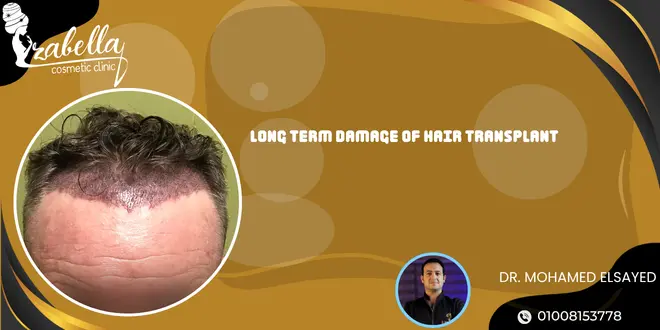
Are you considering undergoing a hair transplant? Do conversations about the potential long-term risks make you feel concerned about the procedure? Are you looking for accurate medical information to understand the facts beyond the rumors? If so, we invite you to read this article to learn about the main long-term risks of hair transplantation, the factors that may cause them, and the best ways to prevent them while maintaining optimal results.
Hair Transplant Procedures
In the past, those suffering from genetic baldness, premature hair loss, or thinning hair with gaps on the scalp often faced a reality that seemed impossible to change, especially when various treatments failed to restore hair effectively. However, with advancements in hair transplant techniques, achieving a natural-looking, denser head of hair has become a reality, giving individuals a more youthful, vibrant, and attractive appearance, in addition to providing a permanent solution. While the methods of hair transplantation may vary, they undoubtedly offer significant benefits. Still, it is important to be aware of the potential long-term risks of hair transplantation to avoid future complications.
Also read: Patterns of Genetic Hair Loss in Women
Benefits of Hair Transplants
Hair transplantation is considered one of the most effective and preferred solutions for treating hair loss, offering numerous advantages, including:
- Permanently addressing baldness and restoring the natural appearance of hair.
- Significantly increasing hair density and filling in gaps on the scalp.
- Treating hair thinning in women, particularly due to factors such as pregnancy, childbirth, and breastfeeding.
- Restoring hair in areas affected by burns, wounds, or other injuries.
- Boosting self-confidence and improving the psychological well-being of those experiencing hair loss.
Despite these numerous benefits, it is essential to understand the potential long-term drawbacks of hair transplantation to avoid unwanted effects and ensure the best possible results.
Long-term Risks of Hair Transplantation
Many people hesitate to undergo a hair transplant due to rumors about potential long-term side effects that may appear over time and are difficult to treat. In reality, however, the drawbacks of hair transplantation are usually limited to temporary symptoms that fade with time, while long-term complications are rare and generally linked to specific causes. The most notable of these risks include:
- Tissue death in the scalp, which can lead to poor wound healing.
- Chronic infections and persistent scarring at the transplant sites.
- Nerve damage, which may result in partial or complete loss of sensation in the transplanted area.
Causes of Long-term Hair Transplant Risks
Although these complications are uncommon, they can occur due to certain factors, including:
- Lack of experience on the part of the surgeon, which can damage nerve endings in the scalp.
- Poor sterilization and hygiene during surgery, increasing the risk of chronic infection.
- Unsuitability of the patient for the procedure due to health reasons; if the doctor does not properly assess or inform the patient, this can lead to serious complications later on.
Therefore, choosing a specialized doctor and strictly following safety and sterilization procedures helps prevent long-term risks, ensuring safe and sustainable results.
Serious Long-Term Complications of Hair Transplantation
Although long-term complications from hair transplantation are rare, some issues may appear shortly after the procedure or even months later, requiring immediate medical attention. While uncommon, neglecting these complications can worsen the condition. The most notable of these include:
- Severe and persistent bleeding on the scalp.
- Abnormally high fever that does not respond to standard treatments.
- Signs of infection, such as discharge or yellow-colored fluid, or an unusual odor coming from the scalp.
Temporary Side Effects of Hair Transplantation
After reviewing the long-term risks, it is important to also be aware of short-term effects. These are normal symptoms that occur after the procedure and usually resolve within the first few weeks during the recovery phase, including:
- Mild redness and swelling of the scalp.
- Itching or tingling sensations at the transplant sites.
- Mild to moderate pain that gradually subsides.
- Formation of scabs on the scalp surface.
- In rare cases, painful scarring may occur, requiring medical follow-up.
Following the doctor’s post-operative instructions is essential to ensure a smooth recovery and to prevent any unwanted complications, whether short-term or long-term.
How to Avoid Long-Term Risks of Hair Transplantation
As mentioned earlier, long-term complications from hair transplantation are rare and usually result from specific factors that can be managed. To minimize the risk of any future issues, it is recommended to follow these steps:
- Rely on a specialized and experienced doctor to ensure the procedure is performed using the best possible technique.
- Check the clinic’s sterilization and hygiene standards before and during the surgery.
- Follow the doctor’s instructions carefully, both before and after the procedure, to ensure optimal recovery.
- Fully disclose your medical history during the preliminary examination and make sure your condition is suitable for hair transplantation.
Also read: Best Hair Transplant Center in Egypt
In conclusion, after reviewing the long-term risks of hair transplantation, their causes, and ways to prevent them, as well as the main benefits of this technique, we are happy to answer any additional questions you may have or help you schedule an appointment at any time.

