



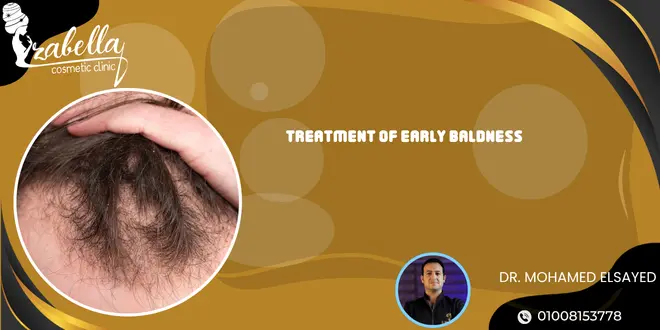
Early male pattern baldness has become one of the most common hair-related concerns today. In this article, we will focus specifically on the different ways to treat early hair loss in men, while also exploring the underlying causes behind it. Stay with us so you don’t miss this important information.
What is early baldness
Early baldness refers to hair loss that occurs at a young age rather than as a result of aging. It particularly affects young people, and studies have shown that individuals in their twenties are more susceptible to this condition than others. Early baldness can have multiple causes, including genetic factors, hormonal changes, and environmental influences.
Symptoms of early baldness in men and women
One of the most common signs of baldness in both men and women is the appearance of noticeable thinning and a significant reduction in overall hair density. In men, this often shows as a receding hairline and the development of bald spots, especially at the temples. In women, hair tends to thin at the center of the scalp. These gaps are usually more visible when the hair is pulled back or parted down the middle.
Causes of early baldness
Hair loss can result from a range of factors, including hormonal changes, environmental influences, and genetic predisposition. Some of the most common causes include:
- Genetic factors: Genetics play a primary role in baldness and hair loss. If one or both parents experience hair loss, there is a higher likelihood that their children may also develop baldness at an early age.
- Hormonal changes: Significant imbalances in hormone levels are a major cause of hair loss. For example, women often experience hair shedding after childbirth or during menopause, as these periods involve noticeable hormonal fluctuations.
- Certain medical conditions:
- Some health issues can affect hair growth and may lead to early baldness, including:
- Chronic diseases: such as diabetes and thyroid disorders.
- Skin conditions: such as alopecia.
- Scalp infections: such as ringworm or seborrheic dermatitis.
- Poor nutrition: The scalp can be thought of as the foundation for hair growth. It nourishes the hair and supports its development, but without essential nutrients, it cannot perform its role effectively. Deficiencies in vitamins and minerals such as iron, zinc, and vitamin D, which are vital for healthy hair can lead to hair loss and weak growth.
- Psychological factors: Emotional stress can cause temporary hair loss. Physical stress, such as undergoing surgery or experiencing serious illness, may also contribute to increased hair shedding.
Treatment of Early Baldness in Men
The treatment of early baldness depends on the specific needs of each case and what suits it best, based on several factors such as age, overall health, the underlying cause of hair loss, and more. The most common treatment options include:
PRP Treatment for Early Baldness
This method involves drawing a sample of the patient’s blood and processing it using specialized techniques to separate the plasma rich in platelets. The plasma is then injected back into the scalp to nourish the hair follicles and promote hair growth.
Hair Transplant for Early Baldness
Hair transplant procedures are widely used to treat early baldness. The process involves extracting healthy hair follicles from an area with high hair density and implanting them into the areas affected by hair loss.
This method is considered one of the fastest and most long-lasting solutions, as the results can last a lifetime in many cases, provided proper care and maintenance are followed.
Treatment of Baldness in Children
Have you ever wondered why some children lose their hair at an early age? Hair loss in children is not just a cosmetic issue—it can sometimes signal an underlying health problem. From poor nutrition to the use of unsuitable hair care products, here’s a closer look at the scientific reasons behind hair loss in children and how it can be prevented:
- Hair Care Products: Certain types of shampoos and soaps, especially those containing harsh chemicals, may irritate the scalp and lead to hair loss.
- Hair Styling Tools: Excessive use of heat styling tools such as hair dryers and flat irons can cause dryness and damage, increasing the risk of hair fall.
- Hairstyles: Tight hairstyles or the use of restrictive accessories can pull hair from the roots and cause scalp inflammation.
- General Health: Anemia and poor nutrition particularly deficiencies in essential vitamins and minerals can significantly affect hair strength and overall health.
- Mental Health: Stress, anxiety, and depression may lead to hormonal imbalances that negatively impact hair growth.
Natural Treatments for Early Baldness
- Castor Oil: Castor oil is one of the most well-known natural remedies for early baldness. It helps moisturize the hair and stimulate the hair follicles, promoting healthier growth. It can be used by applying a small amount to the palm and gently massaging it into the scalp.
- Aloe Vera: Aloe vera is an effective treatment for supporting hair growth and activating hair follicles. It contains enzymes that help restore vitality to thinning hair. Apply a small amount to the palm and gently massage it into the scalp.
- Black Pepper: Black pepper can help treat early baldness, especially when mixed with lemon juice. For best results, it should be used regularly.
Important Nutrients
There are many beneficial nutrients that can help treat early baldness. It is important to use them early to address hair loss before it worsens. Some helpful mixtures include lettuce juice, spinach, coriander leaves, and onion.
