


Many men suffer from pathological hair loss, a condition that can be deeply embarrassing and significantly affect self-confidence. Hair is widely regarded as a symbol of beauty and attractiveness, particularly for women. Despite the availability of various treatment options for baldness and hair loss such as mesotherapy injections, platelet-rich plasma (PRP) therapy, and the use of minoxidil hair transplantation procedures, whether artificial or natural, remain the most definitive and effective solution in Egypt for permanently addressing this issue.
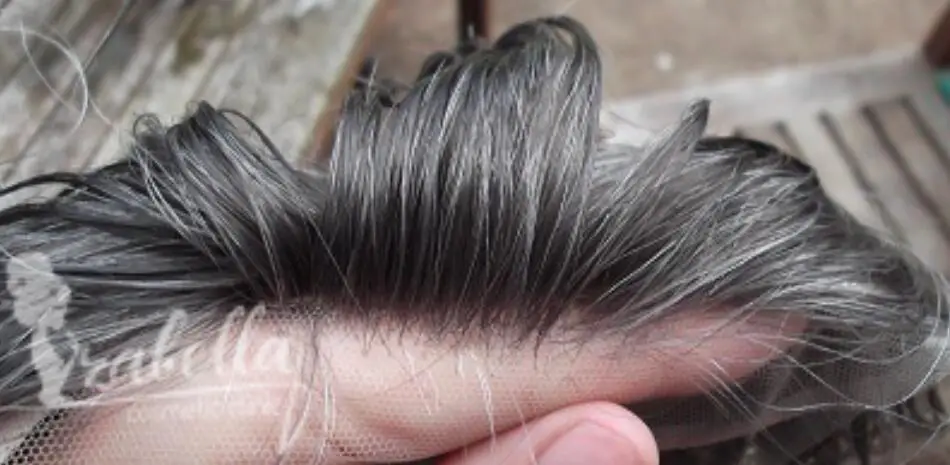
Artificial Hair Transplantation
Artificial hair transplantation first emerged in the early 1970s and was considered an ideal solution for many people suffering from baldness at that time. In this procedure, ready-made hair fibers are implanted into areas affected by hair loss. These fibers are made from surgical materials similar to those used in wound closure. Over time, many companies in this field developed synthetic hair made from plastic-based components, which contributed to its wider use in such procedures.
This technique differs from natural hair transplantation, as the fibers are inserted into bald areas after local anesthesia is applied. Each strand is secured with a small knot that leads to tissue fibrosis, helping to strengthen the scalp and keep the hair in place. The maximum length of implanted artificial hair can reach up to 30 cm.
Read also: FUE Hair Transplant
Candidates for Artificial Hair Transplantation
Artificial hair transplantation is considered a suitable option for individuals experiencing severe hair loss, especially those who do not have sufficient donor hair for traditional transplantation. Suitable candidates may include:
- Individuals with hereditary hair loss, including male or female pattern baldness.
- Those suffering from severe alopecia areata.
- Individuals with scarring hair loss.
- Those experiencing severe stress-related hair loss.
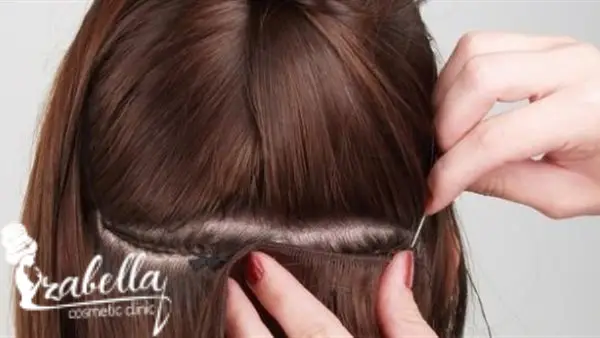
Artificial hair transplantation and hair extensions are particularly suitable for people who prefer not to wait long to see results. While traditional hair transplantation using natural follicles may take at least a year for noticeable regrowth, artificial hair implantation provides immediate results once the fibers are placed.
Read also: Hair Transplant Techniques
The Difference Between Traditional Hair Transplants and Artificial Hair Transplants
Traditional hair transplants differ from artificial hair transplants in several key aspects:
- Type of Hair Used: In a traditional hair transplant, the doctor harvests hair follicles from a donor area, usually at the back of the head, and implants them into the bald or thinning areas. These follicles require time to grow again. In contrast, artificial hair transplants use synthetic fibers that are attached directly to the scalp, strand by strand.
- Speed of Results: Traditional hair transplants typically take about a year of care and follow-up before the new hair begins to grow. Artificial hair transplants, however, provide immediate results, as the desired appearance is visible as soon as the procedure is completed.
- Cost: Artificial hair transplants are generally less expensive than traditional hair transplants.
- Feasibility Without a Donor Area: Traditional hair transplants cannot be performed if there is no donor area to harvest follicles from. Artificial hair transplants, on the other hand, can be done even without a donor area, making them a suitable option in such cases.
Risks of Artificial Hair Transplants
Although these procedures were popular in the past, they are considered cosmetic surgeries with several potential risks and complications, including:
- Increased Risk of Infection: The procedure creates small openings in the scalp, which can increase the likelihood of infection.
- Rejection of Synthetic Fibers: The body may reject the implanted fibers, leading to significant financial loss due to failed procedures.
- Skin Allergies: Patients may develop skin sensitivities, resulting in recurrent inflammation that can be difficult to manage.
- Potential Cancer Concerns: There are concerns that this method could raise the risk of cancerous activity.
- Scarring Alopecia: Artificial hair transplants can lead to scarring alopecia, a condition that negatively affects scalp health.
- Bacterial Growth on the Scalp: The holes made during the procedure can become breeding grounds for bacteria, which may enter the body and cause sepsis or other complications.
Drawbacks of Artificial Hair Transplants
Artificial hair transplants come with several drawbacks, including:
- Rapid shedding of transplanted hair: Artificial hair is more prone to falling out quickly when exposed to external factors such as sunlight and wind.
- Special care required: Artificial hair cannot be cleaned using traditional methods and requires specific types of shampoos and products.
- Incompatibility with conventional treatments: Transplanted hair cannot be dyed or exposed to high temperatures, limiting how it can be treated compared to natural hair.
- Need for repetition: Artificial hair transplants often need to be redone every one to two years, resulting in recurring costs for the patient.
My Experience with Artificial Hair Transplants
Abdullah Said had an unsuccessful experience with an artificial hair transplant. He suffered from rapid shedding of the transplanted hair and frequent scalp infections, and he was unable to care for his hair as naturally as he wanted. After being disappointed with this experience, he decided to consult Dr. Mohamed Said, one of Egypt’s leading specialists in natural hair transplants. Dr. Mohamed Said performed a transplant using natural follicles, and the results were remarkable. The hair began to grow naturally, and Abdullah regained his confidence.

