



Would you like to learn more about eyebrow hair transplantation? Are you considering this procedure and need more information? Keep reading this article, where we will provide the most common questions about eyebrow hair transplantation along with their answers.
What are the reasons for opting for eyebrow hair transplantation
Eyebrows play an important role in highlighting facial features and enhancing the beauty of the eyes. There are several reasons why individuals may choose to undergo eyebrow hair transplantation, including:
- Trauma or scarring in the eyebrow area.
- Excessive plucking or removal of eyebrow hair.
- Natural aging.
- Genetic factors.
- Radiation or chemotherapy treatments.
- Injuries or burns that result in eyebrow hair loss.
- Surgeries in the eyebrow region.
What Are the Techniques for Eyebrow Hair Transplantation
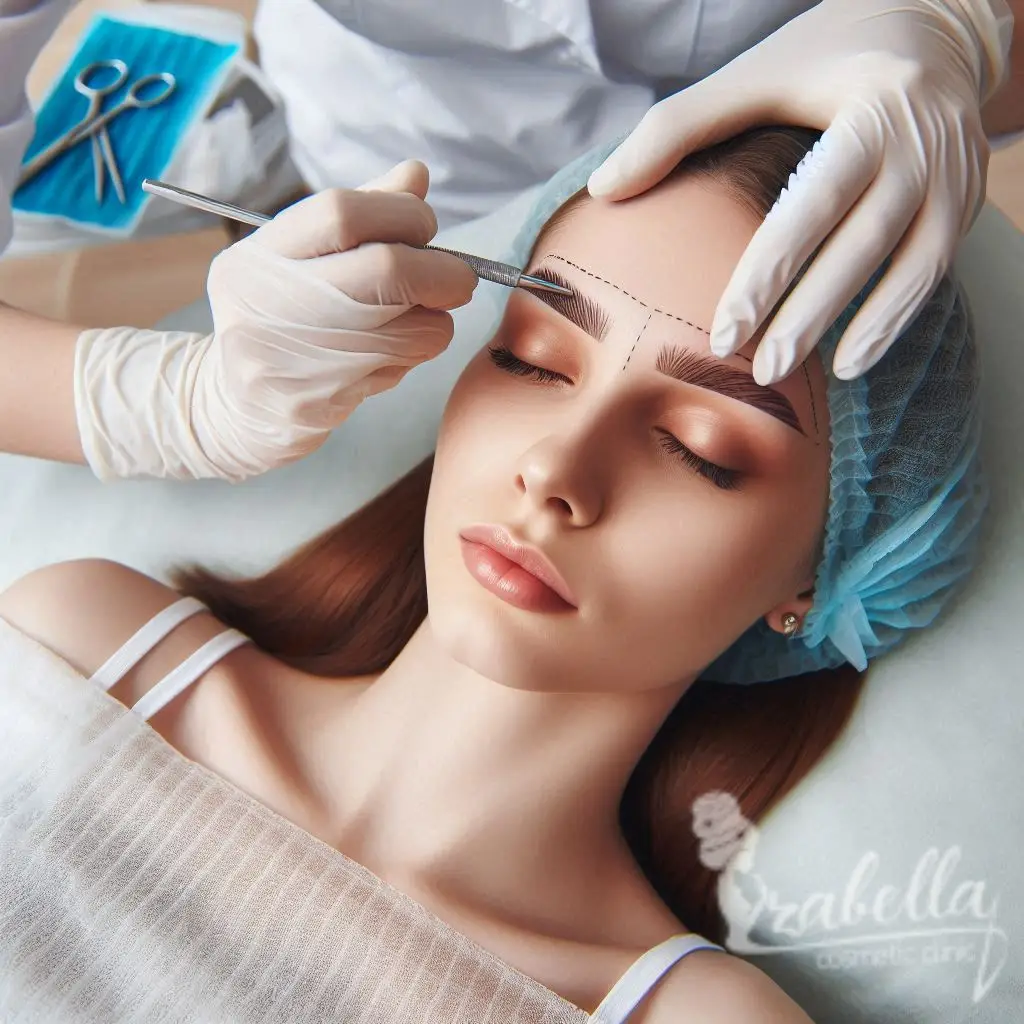
- FUE Technique: One of the most popular hair transplant techniques, and the most commonly used for eyebrows. Individual hair follicles are extracted from the donor area using a precise tool, then implanted into the eyebrow area.
- Strip Technique: A thin strip of skin is removed from the donor area, then divided into individual hair follicles and transplanted into the eyebrows.
Steps of the Eyebrow Hair Transplant Procedure
The procedure is performed after necessary preparations and confirming the suitability of the case. The steps include:
- Injecting local anesthesia into the donor area and the eyebrow area.
- Determining the shape of the eyebrows and the target area for transplantation.
- Carefully extracting the follicles from the donor area.
- Precisely implanting the follicles using a fine needle to minimize scarring as much as possible.
How long does an eyebrow hair transplant take
Because the eyebrow area is delicate and requires precise placement of each hair to match the natural growth direction, the procedure must be performed with great care. It typically takes between two and a half to four and a half hours, though the exact duration may vary slightly depending on the details of the procedure and the number of grafts needed.
What are the side effects of an eyebrow hair transplant
After an eyebrow transplant, it is normal to experience some temporary side effects, similar to those seen with scalp hair transplants. The most common include:
- Redness in the eyebrow area
- Swelling after the procedure
- Mild bruising
- Temporary itching or a slight tingling sensation in the eyebrows
- Mild discomfort or a tingling feeling in the donor area of the scalp where the grafts were taken
How do you recover after an eyebrow hair transplant
This procedure typically requires only a short recovery period, and most people can return to their normal routine the day after surgery. To ensure full recovery, Isabella Clinics recommend several important guidelines, including:
- Avoid scratching or rubbing the eyebrows for a specified period after the procedure.
- Keep the eyebrows away from direct sunlight, humidity, and dust.
- Do not use eyebrow cosmetics until your doctor allows it.
- Follow your doctor’s instructions carefully regarding medications, creams, or ointments, and stick to the prescribed doses.
- A bandage may be worn on the donor area of the scalp until it has fully healed.
When does hair grow after an eyebrow transplant
The growth of transplanted eyebrow hair depends on the individual’s body and response, so results can vary from person to person. In general, the transplanted hair begins to shed within the first month after the procedure, which is completely normal. After that, new hair starts to grow and continues developing into permanent hair that will remain over the long term.
Advantages of Eyebrow Hair Transplantation
Eyebrow hair transplantation offers several benefits, including:
- It provides a long-term solution to eyebrow hair loss, regardless of the underlying cause.
- Side effects are usually mild, and some patients experience little to no discomfort after the procedure.
- It does not require a long recovery period compared to other procedures.
- The results are long-lasting, if not permanent.
- The procedure carries fewer risks compared to alternative treatments.
Disadvantages of Eyebrow Hair Transplantation
Despite its benefits, eyebrow hair transplantation has some drawbacks, including:
- Possible side effects after the procedure, as mentioned earlier.
- Some individuals may experience mild scarring.
- There is a risk of infection if proper sterilization is not maintained during the procedure.
- In some cases, the results may not be satisfactory, which might require a corrective procedure.
Are There Alternatives to Eyebrow Transplantation
In certain situations, eyebrow transplantation may not be the most suitable option, making it important to consider alternatives. Some of the most common options include:
- Temporary cosmetic products: such as eyebrow powders and mascaras that give the brows a fuller appearance.
- Microblading: a cosmetic procedure in which fine, hair-like strokes are drawn onto the eyebrow area using semi-permanent pigment. Although the results typically last between a year and a half to two years, they gradually fade over time.
Dear readers, we hope we have answered all your questions regarding eyebrow hair transplantation and its alternatives. If you have any further inquiries or would like to book an appointment, please feel free to contact us we’ll be happy to assist you.

