



If you notice hair falling out when it’s pulled, you’re not alone this is a common issue many people experience. Don’t let it affect your confidence or your sense of beauty. You can learn the causes of hair loss when pulled and discover ways to treat it in this article.
Causes of Hair Loss When Pulled
Hair loss from pulling can occur due to damage to the hair follicles. Several other factors may contribute, including:
- Frequent hair dyeing and styling.
- Exposure to heat and harmful chemicals.
- Poor nutrition and not consuming foods rich in vitamins and minerals essential for the scalp.
- High levels of male hormones in women.
- Stress and tension.
- Poor mental health.
- Using products that are not suitable for your hair type.
- Genetic factors.
- Taking certain medications.
You can consult Dr. Mohamed El-Sayed, a hair transplant doctor with extensive experience in treating hair loss.
Medications That May Cause Hair Loss
Hair loss can also result from certain medications, including:
- Blood pressure medications.
- Chemotherapy.
- Non-steroidal anti-inflammatory drugs (NSAIDs).
- Anti-seizure medications.
- Estrogen and progesterone blockers.
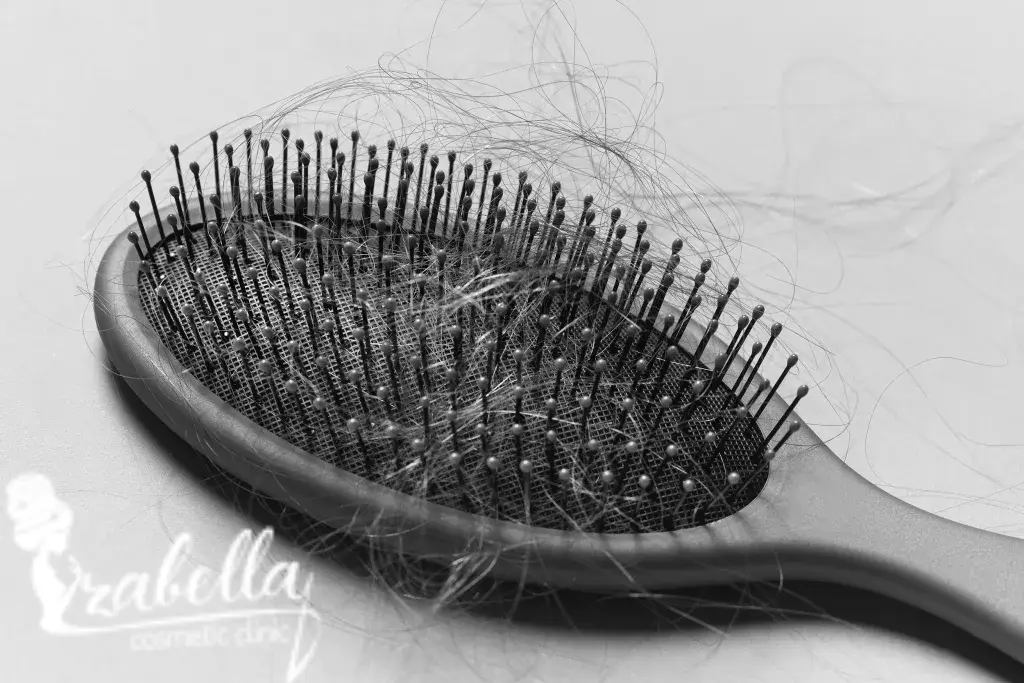
Causes of Hair Loss Despite Normal Test Results
If your test results are normal and there is no obvious medical reason for hair loss, it may be caused by:
- Hormonal changes, such as the onset of menopause in women.
- Poor mental health or stress.
- Deficiency in vitamins and minerals.
- Excessive tension or pulling on the hair.
- Sudden changes in the climate.
When Is Hair Loss a Concern
According to the American Academy of Dermatology, losing 50 to 100 hairs per day is considered normal, and it may reach 150–200 hairs when washing your hair. Hair loss becomes concerning if you notice thinning across the scalp or a significant amount of hair shedding for more than three months without improvement.
When Does Hair Loss Become Serious
Hair loss may be serious in the following situations:
- Clear bald spots appearing on the scalp.
- Severe itching of the scalp.
- Excessive hair shedding that does not stop.
These symptoms may indicate an underlying health issue, such as psoriasis or immune system disorders. If you notice any of these signs, you should consult a doctor to determine the cause of hair loss and receive appropriate treatment. For more information on when hair loss becomes serious, you can read the dedicated article on this topic.
What illnesses can cause hair loss
Severe hair loss can be a sign of an underlying health issue. Some conditions that may lead to significant hair loss include:
- Scalp infections
- Anemia
- Polycystic ovary syndrome (PCOS)
- Thyroid disorders
Hair Loss After Pulling Postpartum
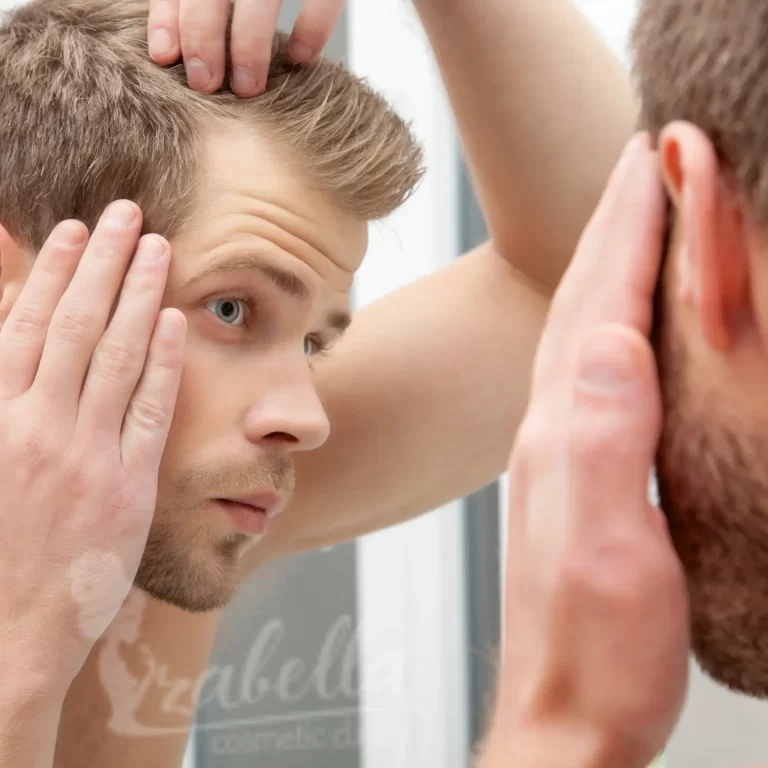
Hair loss after childbirth occurs due to hormonal changes that affect the hair growth cycle. Additionally, a deficiency in essential vitamins that nourish hair follicles such as iron, zinc, vitamin D, and biotin can contribute to hair shedding. It is recommended to consult a doctor if the hair loss persists or causes concern.
Hair Loss with White Roots: Causes and Solutions
When hair shedding is accompanied by white roots, it may indicate a condition known as telogen effluvium. This occurs when a significant number of hair follicles enter the resting phase (telogen) of the hair growth cycle, leading to noticeable hair loss. The white root at the end of a hair strand signals the completion of its growth cycle and its transition to the resting phase before shedding.
What Causes Telogen Effluvium
Several factors can trigger this condition, including:
- Physical or Emotional Stress: Daily stress or emotional shocks may cause hair to enter the resting phase prematurely.
- Hormonal Changes: Such as those occurring after pregnancy, during menopause, or due to thyroid disorders.
- Nutritional Deficiencies: Lack of essential nutrients like iron, zinc, or vitamins can affect hair health.
- Chronic Illness or Surgery: These can lead to temporary hair loss.
Health-Related Causes of Hair Loss When Pulled
Hair loss when hair is pulled can stem from multiple health-related factors, both internal and external, that affect the strength and vitality of hair follicles. Key causes include:
- Hormonal Disorders:
- Hormonal fluctuations during pregnancy, menopause, or menstrual irregularities.
- Thyroid disorders: Overactive or underactive thyroid can weaken hair follicles.
- Nutritional Deficiencies:
- Iron deficiency: Leads to anemia, which negatively affects scalp health.
- Vitamin deficiencies: Lack of vitamin D, biotin (B7), and zinc can weaken hair.
- Scalp Conditions:
- Alopecia: An autoimmune disorder that attacks hair follicles.
- Psoriasis and dermatitis: Inflammation can weaken roots and make hair more prone to shedding.
- Genetic Factors: Inherited traits may naturally make hair follicles weaker in some individuals.
- Chronic Stress: Ongoing psychological stress can disrupt the hair growth cycle, causing follicles to enter the telogen phase faster.
- Medications and Treatments: Some medications, such as antidepressants, chemotherapy drugs, or hormone therapies, may cause hair loss as a side effect.
- Poor Hair Care: Tight hairstyles and harsh chemical treatments can damage hair, making it more likely to fall out when pulled.
If hair loss continues or worsens, it is advisable to consult a specialist to determine the exact cause and develop an appropriate treatment plan.
What is the main factor in preventing hair loss
Hair loss cannot be addressed by a single factor alone; maintaining healthy hair requires paying attention to a combination of factors, including:
- Avoiding tight hairstyles.
- Using hair care products free from harmful chemicals.
- Providing the hair with essential nutrients such as protein, iron, zinc, and vitamins.
- Quitting smoking.
- Massaging the scalp for 5 minutes, 2 to 3 times daily, to stimulate hair growth and improve blood circulation.
Also read: The most popular hair transplant techniques in Egypt
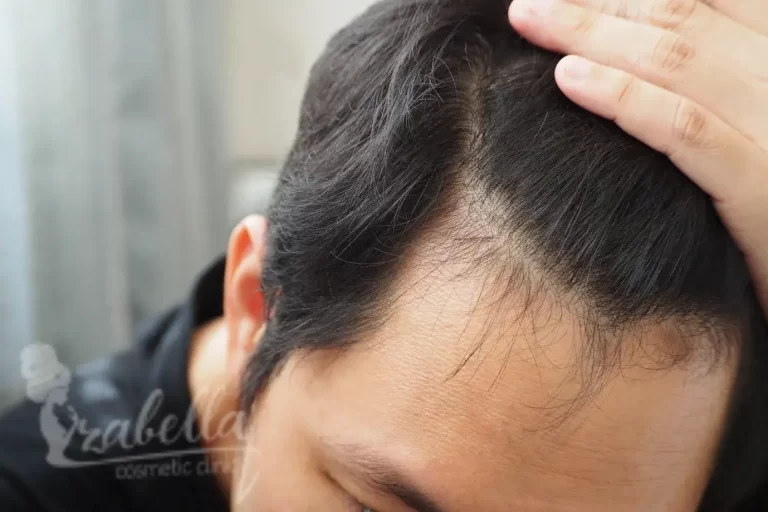
Preventing Hair Loss from Pulling
Preventing hair loss caused by pulling requires focusing on strengthening the hair and protecting it from factors that weaken it. Here are the key tips to avoid this issue:
- Avoid tight hairstyles that put pressure on the hair follicles.
- Use gentle combs and styling techniques to reduce excessive pulling.
- Keep hair moisturized with natural oils such as argan or coconut oil.
- Choose products free from harmful chemicals like sulfates and silicones.
- Improve your diet by consuming foods rich in iron, zinc, and vitamins.
- Reduce stress through meditation or regular exercise.
- Massage the scalp regularly to stimulate blood circulation and strengthen the roots.
- Protect hair from environmental factors like sun exposure and pollution.
- Consult a specialist if you notice excessive or persistent hair loss.
Best Vitamins and Minerals to Strengthen Hair Follicles and Promote Growth
Looking for natural ways to improve your hair health and strengthen your follicles? It’s important to understand the significant role vitamins and minerals play in promoting hair growth and preventing hair loss. Here’s a list of the most essential nutrients for maintaining healthy, radiant hair:
- Vitamin A: Also known as retinol, vitamin A is a key component for hair health. It stimulates the production of natural oils in the scalp, helping to keep hair moisturized and prevent dryness and breakage. However, excessive intake can have the opposite effect and cause hair loss, so moderation is important.
- Vitamin C: This vitamin protects hair from damage caused by free radicals, harmful compounds that accelerate cell aging. In addition to its antioxidant properties, vitamin C supports collagen production, the protein that strengthens keratin the main structural protein of hair.
- Folic Acid: A type of B vitamin, folic acid plays a vital role in hair health. It helps the body produce keratin, the protein that gives hair strength and flexibility. A deficiency can make hair brittle and weak, leading to noticeable hair loss.
- Iron: Essential for healthy hair growth, iron helps deliver oxygen to hair follicles via red blood cells, supporting cell regeneration and growth. Hair contains a protein called ferritin that stores iron for later use. Low iron levels can deplete ferritin in hair follicles, weakening them and causing hair loss.
- Vitamin D: Vitamin D plays a major role in regulating the hair growth cycle. Hair follicles have specific receptors that respond to this vitamin, promoting active growth and supporting healthy, thick hair. A deficiency due to limited sun exposure or poor diet can lead to hair shedding or stalled growth.
- Zinc: This essential mineral contributes to cell division and replication, including cells responsible for hair growth. It also helps maintain follicle health and efficiency. Zinc deficiency is a common cause of hair loss and weakness, so it’s important to get enough through diet or supplements.
- Biotin: Also known as vitamin B7, biotin is crucial for hair health. It aids in the production of proteins like keratin, increasing hair strength and reducing damage. Most people can get sufficient biotin from a balanced diet, and gut bacteria also produce some to meet the body’s needs.
Also read: Top 5 Vitamins for Treating Hair Loss
Treatment for Severe Hair Loss
You can address severe hair loss using the following treatments:
- Regenera Hair Technique: This method involves taking a small sample from the patient’s scalp and extracting stem cells using the Regenera device. These cells are then injected back into the scalp, promoting the growth of new hair follicles and treating thinning and bald spots. This technique is considered an effective alternative to hair transplantation due to its hair-regenerating benefits.
- Plasma injections for hair: Plasma stimulates hair growth, collagen production, and blood circulation in the scalp. The procedure involves drawing a blood sample from the patient, extracting platelet-rich plasma, and injecting it into the scalp. This technique is safe and effective for treating hair loss and thinning areas.
- Hair Loss Treatment Through Alternatives to Hair Transplants: Various medications can be used depending on the cause and severity of hair loss. These include minoxidil, which widens blood vessels in the scalp to stimulate hair growth, and biotin, which strengthens hair follicles and reduces shedding.
- Hair Mesotherapy: This treatment involves injecting a mixture of vitamins, minerals, and essential amino acids into the scalp. It helps stimulate hair growth, strengthen follicles, and increase hair density.
Frequently Asked Questions About Hair Loss When Pulled
Here are answers to the most common questions regarding hair loss caused by pulling:
Is hair loss when pulling normal
In some cases, losing a few strands when gently pulling hair can be normal, especially if it is within 50–100 hairs per day. However, if hair loss is excessive or accompanied by weak follicles, it may indicate an underlying issue that requires medical attention.
What conditions cause hair loss when pulling
Causes may include scalp conditions such as alopecia or psoriasis, nutritional deficiencies like iron and zinc, or hormonal imbalances.
How can I stop hair loss caused by excessive pulling
It is recommended to avoid tight hairstyles, use gentle hair care products, maintain a balanced diet, and massage the scalp to improve blood circulation.
We hope this provides a clear explanation of why hair may fall out when pulled, its main causes, and preventive measures. Remember, early diagnosis and proper treatment are your first steps toward restoring your hair’s strength and density. If you’re looking for an effective and safe solution, Isabella Center offers the latest hair treatment and transplantation techniques, with careful medical follow-up for every case.
Don’t hesitate to contact us to schedule a consultation, or share your hair loss experience in the comments to inspire and support others.

