



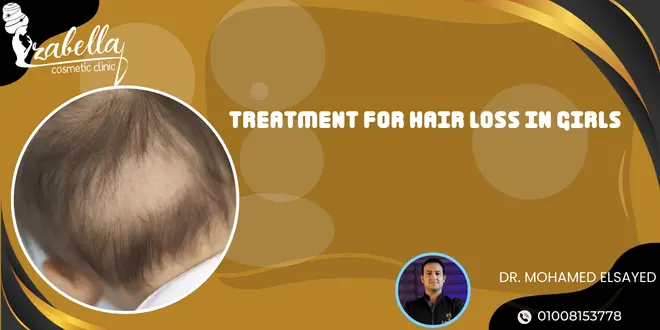
Hair loss is a common issue among adults, but it can be surprising when parents notice thinning or shedding in children. The causes of hair loss in children differ from those in adults and can be categorized as either natural or medical. It is worth noting that most cases respond well to treatment.
In this article, we will explore the possible causes of hair loss in children and highlight the most effective and safe ways to treat it.
Causes of Hair Loss in Children
There are several natural factors that can lead to hair loss in children. These factors usually have a temporary effect on hair growth, and in most cases, hair returns to healthy growth once the underlying cause is identified and addressed. Some common natural causes of hair loss in children include:
- Hair loss in newborns: It is normal for the fine hair that grows during pregnancy to fall out after birth. This is typically followed by the growth of new, stronger hair.
- Friction: Frequent rubbing of a baby’s head against bedding during the first few months can cause hair to fall out. This type of hair loss usually stops as the child grows and begins to sit and stand.
- Hair styling products: Repeated use of hair products, especially those containing harsh chemicals, can lead to hair loss. It is important to pay attention to the ingredients in products used for children’s hair care.
- Excessive heat: High heat from hair dryers or straightening irons can damage hair and cause it to fall out. It is best to use these tools on a low heat setting to avoid hair damage.
- Tight hairstyles: Pulling hair tightly into styles such as ponytails or braids can irritate hair follicles and the scalp. In some cases, this may even cause permanent bald spots.
Hair Growth
Humans are born with a fixed number of hair follicles, estimated at around 5 million across the body, with the scalp alone containing about 100,000 follicles. As we age, some follicles may stop producing hair, leading to weaker, more brittle hair and a thinner appearance. On average, hair grows about half an inch per month, or roughly six inches per year. Several factors can affect hair growth, including:
- Overall health
- Age
- Hair type
- Genetic factors
Pathological Causes of Hair Loss in Children
Hair loss in children can result from various medical conditions that differ in nature and appear in multiple forms, such as bald patches or thinning hair. Here are the most common causes:
- Scalp Ringworm: Scalp ringworm (Tinea Capitis) is one of the most common medical causes of hair loss in children. It appears as circular or oval patches on the scalp covered with scales, and the hair may break at the surface, forming black dots. This condition is caused by a fungal infection, so it is advised not to share hats, pillows, or hair tools with others.
- Alopecia Areata: This condition leads to sudden and rapid hair loss, forming smooth, hairless patches without scales. It results from an immune system disorder that attacks the hair follicles, which may cause partial or complete hair loss, and in some cases, loss of body hair. About 25% of children with this condition also experience nail changes.
- Trichotillomania (Hair-Pulling Disorder): This disorder, also known as hair-pulling compulsion, causes hair loss or breakage due to repeated pulling. Hairless patches appear on the scalp as a result of this frequent tension, often linked to stress or psychological pressure.
- Telogen Effluvium: Telogen effluvium occurs due to sudden physical or emotional stress, such as surgery, the loss of a loved one, or chronic illness. This stress pushes hair into the resting phase, leading to partial or complete shedding. Fortunately, hair usually regrows normally once the stressful period passes.
- Hypothyroidism: An underactive thyroid is another medical cause of hair loss. Reduced hormone production affects the body, leading to fatigue, dry hair, and hair shedding.
- Nutritional Deficiencies: Lack of essential vitamins and nutrients such as vitamins A and E, biotin, B-complex vitamins, zinc, niacin, iron, and protein can lead to hair loss. Hair often regrows once the deficiency is corrected through proper diet and treatment.
- Head Injuries: Wounds or burns to the scalp can result in hair loss in the affected area.
- Chemotherapy: Used in cancer treatment, chemotherapy may cause hair loss because it affects the hair root cells, often leading to complete hair shedding.
Identifying and addressing these causes early can help restore hair growth and prevent ongoing hair loss problems.
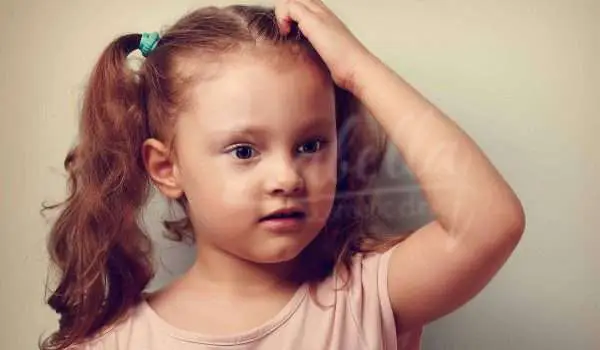
Hair Loss Treatment in Children
Treating hair loss in children depends on the extent of hair loss and any accompanying symptoms. It is important to reassure the child and explain that this condition is often temporary. Doctors may use a range of treatments, including:
- Ketoconazole: Ketoconazole is an effective treatment for scalp ringworm. As an antifungal, it helps reduce hair loss and supports new hair growth.
- Corticosteroids: In cases of alopecia or other immune-related conditions that cause hair loss, corticosteroids are used to calm the immune system and minimize hair shedding.
- Selenium: Selenium is a strong antifungal used to treat the scalp and improve hair health, which helps reduce hair loss and restore scalp vitality.
- Vitamins and Supplements: Doctors may recommend essential vitamins such as A, B, C, and E, along with key minerals like zinc and iron, to provide nutritional support for healthy hair growth.
- Behavioral Therapy: For hair loss caused by stress or anxiety, behavioral therapy can teach the child how to manage psychological pressure, helping reduce hair loss and promote overall well-being.
Read also: Mesotherapy Injections for Hair
Hair Loss Treatment for 7-Year-Old Children
Some children experience hair loss at an early age, which can be worrying for parents. Fortunately, there are solutions tailored to the underlying causes. Here are the latest approaches based on identifying the main cause:
Boost Daily Nutrition
- Focus on essential nutrients: such as protein (found in eggs and meat), iron (like spinach and lentils), and zinc (nuts and fish).
- Vitamin supplements: after consulting a doctor, supplements like vitamin D or B may be recommended to correct deficiencies.
Medical Intervention When Needed
- Treat skin conditions: for example, alopecia areata with creams or steroid injections under medical supervision.
- Hormone testing: to ensure there are no thyroid or other hormonal imbalances.
Support Mental Wellbeing
- Emotional support sessions: if stress or anxiety is a factor, a child psychologist can provide tailored approaches.
- Recreational activities: such as drawing or sports to help reduce stress.
Daily Scalp Care
- Gentle shampoo: choose sulfate-free products designed for children with sensitive scalps.
- Natural remedies: like massaging the scalp with coconut oil to stimulate blood circulation.
Adjust Hair Care Habits
- Avoid tight hairstyles: such as tight ponytails, and opt for looser styles.
- Limit heat exposure: avoid hair straighteners or blow dryers except occasionally.
Additional Preventive Tips
- Check care products: ensure they are free of irritating chemicals such as parabens.
- Monitor changes: if hair loss continues for more than three months, consult a pediatric specialist.
Steps to Care for Children’s Hair and Prevent Hair Loss
If your child is experiencing hair loss, proper hair care is essential. Here are some steps you can follow to maintain your child’s hair health:
- Follow a balanced and healthy diet: To support healthy hair growth, your child’s diet should include foods rich in vitamin A, such as pumpkin, carrots, and mango. Meals should also provide vitamin B, found in beans, meat, eggs, grains, and potatoes. Green leafy vegetables also help improve blood circulation to the scalp, which stimulates hair growth.
- Trim hair if there is hair loss or bald spots: Regular trimming encourages even hair growth. It is better to use scissors instead of clippers to avoid irritating the scalp.
- Massage the scalp with coconut oil: Coconut oil contains natural antioxidants that help stimulate blood circulation and promote hair growth. Gently massaging the scalp with this oil enhances blood flow and strengthens hair follicles.
- Use a children’s shampoo regularly: Gently cleaning your child’s scalp with a shampoo designed for children removes dirt and excess oils, keeping the scalp healthy and supporting hair growth.
- Apply conditioner regularly: Conditioner helps moisturize hair and protect it from breakage and hair loss. Using it after washing strengthens hair and encourages growth.
Although there are many causes of hair loss in children, understanding them well and consulting a doctor to develop a suitable treatment plan for each case can help restore hair vitality and promote regrowth.
Natural Masks to Treat Hair Loss in Girls
Many girls prefer using natural masks to address hair problems, thanks to their numerous benefits in promoting hair growth and keeping it moisturized. To achieve the best results, it’s important to use them consistently and carefully choose ingredients that suit your hair type. Here are some natural masks that can help reduce hair loss:
- Egg and Honey Mask: Beat one or two eggs and add a tablespoon of honey to create a smooth mixture. Apply this blend to your child’s hair and leave it on for 20 minutes. You can cover the hair with a plastic bag or a thermal cap to help the nutrients absorb better and enhance its effect.
- Onion Juice: Onion is rich in nutrients that strengthen hair and promote growth. Grate one or two onions, then squeeze them to extract the juice. Apply the juice to your child’s scalp and massage in circular motions for about 30 minutes.
- Olive Oil and Garlic for Hair Growth: Crush three garlic cloves and mix them with a quarter cup of olive oil. Apply the mixture to your child’s scalp and massage well, then leave it on for 30 minutes to allow the scalp to benefit from its hair growth–stimulating properties.
- Apple Cider Vinegar: Apple cider vinegar helps cleanse the scalp and stimulate hair follicles. Mix it with a little water and apply it to your child’s scalp while massaging continuously. Leave it on for 20 minutes, then rinse thoroughly. You can repeat this treatment once a week when washing your child’s hair.

