




In the past, men had little choice but to accept hair loss as a natural part of life. However, with advances in science, minoxidil emerged as an effective treatment for this issue. It is one of the medications approved by the U.S. Food and Drug Administration (FDA) for combating hair loss.
Minoxidil is used daily and is specifically designed for individuals experiencing hereditary hair loss (androgenetic alopecia). It works by slowing down hair loss and may even stop it entirely in some cases. If you’ve started to notice a decrease in your hair density, minoxidil or even finasteride might be a suitable option to help restore hair vitality and reduce further hair loss.
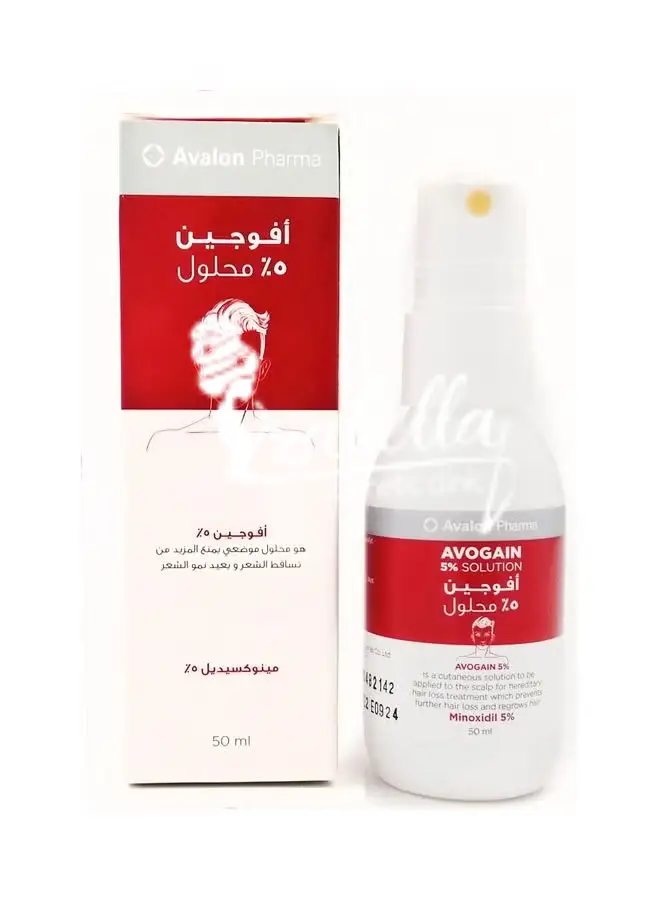
Minoxidil for Treating Hair Loss: Is It the Ideal Solution
Minoxidil is considered one of the most widely used treatments for hair loss. It is believed to help stimulate hair growth and increase hair density. The medication is available in several forms, including sprays, topical solutions, and even tablets. For the best results, it is usually recommended to use it consistently over a long period of time.
However, it is important to understand that the effects of minoxidil are not always permanent. Stopping the treatment may lead to the loss of the new hair that grew during the period of use. Some individuals may also experience side effects such as scalp irritation or mild itching.
For this reason, it is always advisable to consult a medical professional before starting the treatment to determine whether it is the most suitable option for your condition. There are also several other options available for addressing hair loss, including hormonal treatments, hair transplantation techniques, laser therapy, and other modern solutions.

What are the different types of Minoxidil
Minoxidil is available in several forms to suit different user preferences and needs, including:
- Minoxidil Gel: Known for its thicker consistency, making it easy to apply directly to the scalp.
- Minoxidil Foam: A lightweight, fast-absorbing option that is ideal for those who prefer a non-greasy formula.
- Minoxidil Shampoo: Combines daily hair care with hair growth support, making it a practical choice for regular use.
- Minoxidil Spray: Comes in a spray form that allows for precise and even distribution on areas with thinning hair.
Each type has its own advantages, so the most suitable option can be chosen based on personal preference and the specific needs of your hair.
How Does Minoxidil Help Combat Hair Loss
Minoxidil 5% is considered one of the effective treatments for hair loss, often used alongside finasteride. Both treatments help reduce the impact of the 5-alpha reductase enzyme. In the body, this enzyme converts into the hormone dihydrotestosterone (DHT), which is largely responsible for hair loss and prostate enlargement, and can contribute to conditions such as benign prostatic hyperplasia.
The level of DHT in the body depends on the amount of 5-alpha reductase available. When Minoxidil is used, it helps lessen the effect of this hormone on the scalp, which can reduce hair loss and encourage new hair growth.
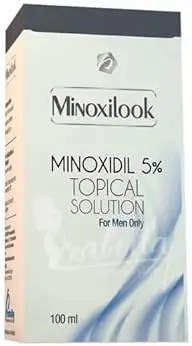
Does Minoxidil Guarantee Results for Hair Loss Treatment
There is no absolute guarantee that minoxidil will regrow lost hair. However, many men who use it notice that their hair loss slows down or even stops while they continue the treatment. In addition, finasteride may help promote hair growth, especially in areas experiencing mild thinning, as long as the hair loss is not too advanced.
Research indicates that after two years of using finasteride, men with androgenetic alopecia showed a noticeable improvement in hair density. This makes it a promising option for those looking to stimulate hair regrowth.
When Do Minoxidil Results Start to Appear
In most cases, improvements in hair shedding can be noticed after using minoxidil for about three to four months. More visible results typically appear after a full year of consistent use. Although the medication begins working as soon as it is applied, the changes may not be immediately noticeable at first.
In fact, during the first few weeks of treatment, some people may experience a temporary increase in hair shedding. This is completely normal and usually not a cause for concern, as it is part of the hair renewal cycle. With continued use, the shedding gradually slows down, and new hair strands may begin to appear, eventually leading to thicker and fuller-looking hair over time.
How to Use Minoxidil Foam Effectively
Start by parting your hair to clearly identify the areas on your scalp where hair density is reduced. Then press the nozzle of the container to dispense a suitable amount of foam onto your fingertips. Gently apply the foam to the affected areas and lightly massage the scalp to help with absorption. Finally, make sure to wash your hands immediately to remove any remaining product residue.
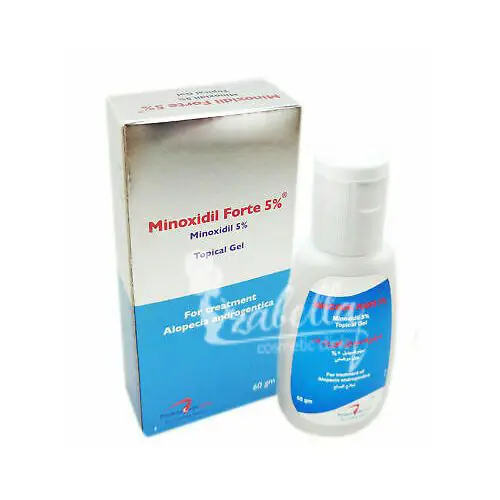
How to Use Minoxidil for Beard Growth
Start by applying a small amount of the minoxidil solution directly to the beard area. It is generally recommended to use it twice daily for at least 16 weeks to achieve the best results. To track your progress, it can be helpful to take photos before starting the treatment and compare them later, since daily changes may be too subtle to notice.
How to Use Minoxidil Solution for Men and Women
- Begin by making sure that your scalp and hair are completely dry before applying the solution.
- Apply the amount prescribed by your doctor directly to the targeted area.
- Avoid washing your hair with shampoo for at least four hours after applying the medication.
- Once finished, wash your hands immediately to remove any remaining residue of the product.
- Do not use a hair dryer to dry your scalp after application.
- Allow the solution to dry naturally for about two to four hours. It is often best to apply it before going to bed to ensure it is fully absorbed.
Possible Side Effects of Minoxidil
Some people may experience scalp-related symptoms while using minoxidil, such as dryness, flaking, irritation, or itching. A mild burning sensation may also occur in some cases. If these symptoms persist or become more severe, it is advisable to consult a doctor.
In addition, certain symptoms require immediate medical attention, including:
- Noticeable and sudden weight gain
- Swelling in the face, ankles, or hands
- Difficulty breathing
- Unusually rapid heartbeat
- Chest pain
- Feeling dizzy
If any of these signs appear, you should contact a healthcare provider right away for proper evaluation and appropriate care.

Minoxidil 5% Price
The price varies depending on the brand and the size of the bottle. Prices typically start at around 160 Egyptian pounds and can reach up to 1000 Egyptian pounds. This variation reflects differences in product quality and the specifications offered by each manufacturer.
Long-Term Side Effects of Minoxidil
Minoxidil is one of the most widely used treatments for hair loss and is known for its ability to stimulate hair growth. Despite its effectiveness in addressing many hair-related issues, long-term use may be associated with certain side effects that should be taken into consideration. If you are planning to use this medication for an extended period, it is important to be aware of these potential risks.
- Scalp Sensitivity: With continuous use of minoxidil, the scalp may become more sensitive over time. Symptoms such as itching, irritation, or dryness may appear as a result of prolonged exposure to the active ingredients in the medication. In some cases, these reactions may develop into skin inflammation that requires additional treatment.
- Changes in Hair Texture: Over the long term, minoxidil may cause noticeable changes in hair texture. Hair may become rougher or drier, especially if moisturizing or proper hair care products are not used alongside the treatment. This effect can be bothersome for some individuals, particularly those expecting only soft and healthy hair growth.
- Dependence on the Medication: One of the most significant concerns associated with long-term use of minoxidil is dependence. Once the treatment is stopped, hair often returns to its previous condition and may even shed more quickly than before the treatment began. As a result, some people feel they are caught in a continuous cycle of ongoing use.
- Lower Blood Pressure (When Taken Orally): If minoxidil is used in its oral form (tablets), it may affect blood pressure. Minoxidil acts as a vasodilator, which can lead to an unwanted drop in blood pressure. For this reason, blood pressure should be monitored regularly when using this form, and it should only be taken under proper medical supervision.
- Temporary Increase in Hair Shedding: Although this effect often occurs at the beginning of treatment, it may sometimes persist or reappear with long-term use. Some individuals may notice increased hair shedding when stopping the medication or even while using it. This is generally considered a normal response, as the drug stimulates the hair growth cycle.
- Financial Cost: Over time, using minoxidil can become a financial burden. The product needs to be purchased continuously to maintain the desired results, which may make it impractical for some people.
- No Permanent Solution: One of the main criticisms of minoxidil is that it does not address the underlying cause of hair loss. It mainly works by slowing down hair loss and temporarily stimulating hair growth. Once the treatment is discontinued, the problem usually returns. This means that minoxidil is not a permanent cure, but rather a temporary way to manage the symptoms of hair loss.
Rare but Serious Side Effects
In rare cases, minoxidil may lead to more serious side effects, including:
- Fluid retention: This may cause swelling in the hands or feet.
- Rapid heartbeat: This is more likely when the oral form is used.
Severe allergic reactions: These may include skin rash, swelling of the face or throat, or difficulty breathing. If any of these symptoms appear, the medication should be stopped immediately and a doctor should be contacted.
How to Improve the Effectiveness of Minoxidil for Better Results
Minoxidil is considered an effective treatment for reducing hair loss in many people, but it is not a miracle solution capable of restoring severely damaged or inactive hair follicles. However, when used consistently alongside other treatments such as finasteride, it can significantly help slow down hair loss and stimulate new hair growth.
To achieve the best possible results, it is recommended to continue using minoxidil and finasteride for extended periods, as the success of the treatment largely depends on consistency and commitment. Before starting finasteride, it is important to consult a medical professional to ensure it is suitable for your health condition.
For better and faster results, minoxidil can also be combined with additional treatments such as nutritional supplements, hair mesotherapy sessions, or low-level laser therapy. These approaches may enhance the overall effectiveness of the treatment and lead to more noticeable improvements.
Combining Finasteride and Minoxidil for Better Results
Finasteride is an effective hair loss treatment on its own. However, research has shown that using it alongside topical minoxidil can significantly enhance results, making this combination an ideal choice for those seeking a more effective solution.
Both treatments work through different mechanisms, allowing them to complement each other. Minoxidil helps stimulate hair follicles to enter the growth phase and improves blood circulation in the scalp, which nourishes and strengthens the hair. It is available as a foam or liquid solution applied directly to the scalp. Since it can be purchased from pharmacies without a prescription, it offers a convenient option for people experiencing hair loss.
Is Minoxidil Necessary After a Hair Transplant
Experts often recommend using minoxidil after a hair transplant, as it helps support the newly transplanted follicles and promotes healthy hair growth.
Hair Shedding After Using Minoxidil
It is common to notice increased hair shedding during the first few weeks after starting minoxidil treatment. This usually lasts between three and six weeks. There is no need for concern, as this stage is a normal part of the hair renewal cycle. During this period, new hair begins to grow, often stronger and healthier than before, while the follicles become more active.
To achieve the best results, it is recommended to apply minoxidil directly to the thinning or empty areas of the scalp. This helps stimulate the follicles and improve their nourishment, which supports hair growth and increases density. It is also important to note that applying the medication directly on the hair instead of the scalp may lead to dryness.
When Do Minoxidil Results Appear
In most cases, a reduction in hair loss becomes noticeable after using minoxidil for about three to four months. The full results typically become clear within a year. Although the medication begins working as soon as it is used, visible changes may take some time to appear.
A slight increase in hair shedding during the first weeks of treatment is fairly common and should not be a cause for concern. This phase is part of the natural hair growth cycle. With continued use of minoxidil, hair shedding usually decreases gradually or may stop completely after a few months, while new hair growth begins to appear. Over time, hair density becomes more noticeable, and the complete results of the treatment are usually seen within a year.
What Happens to Your Hair When You Stop Using Minoxidil?
If you rely on minoxidil as a treatment for hair loss, it’s important to know what to expect when you stop using it. Minoxidil is not a permanent solution it only works as long as it is applied consistently. Once you discontinue its use, you may notice hair shedding gradually returning, which is normal given how this medication works.
Why Does Hair Fall Out After Stopping Minoxidil?
Minoxidil works by extending the growth phase of hair (anagen phase) and reducing shedding. However, its effects are temporary because it does not treat the underlying causes of hair loss, such as genetic or hormonal factors. When you stop using it, your hair’s natural growth cycle resumes, leading to hair shedding at the same rate it occurred before starting treatment.
Can Hair Loss Be Prevented After Stopping
Unfortunately, if your hair loss is caused by genetic or hormonal factors, it is difficult to prevent completely without other treatments. However, there are steps you can take to minimize the impact of stopping minoxidil:
- Switch to an alternative treatment plan: If you’re concerned about stopping minoxidil, consult a specialist to explore other options, such as finasteride or other topical treatments.
- Take care of your scalp: Maintaining scalp health by using gentle cleansing products and avoiding harsh chemicals can help reduce hair shedding.
- Improve your lifestyle: A balanced diet, stress management, and sufficient sleep can promote hair health and reduce shedding.
- Consider cosmetic interventions: In cases of significant hair loss, options like hair transplantation or platelet-rich plasma (PRP) therapy may be effective solutions.
Should You Continue Using Minoxidil
Whether to keep using minoxidil depends on your personal goals and overall health. If you’re satisfied with the results it has delivered for your hair, it may be best to continue using it regularly. However, if you plan to stop, it’s recommended to do so gradually to minimize any side effects from sudden discontinuation.
Can Minoxidil Replace a Hair Transplant
While minoxidil is an effective treatment for stimulating hair growth and reducing hair loss, it is not a complete substitute for a hair transplant, especially in cases of advanced baldness. Minoxidil works by activating hair follicles and improving blood circulation in the scalp, which helps new hair to grow, but it requires continuous use to maintain results. On the other hand, a hair transplant provides a permanent solution by redistributing hair naturally without the need for daily treatments. The best option depends on the extent of hair loss and individual expectations. Doctors may also recommend using minoxidil as a complementary treatment before or after surgery to achieve optimal results.
For more information about minoxidil, you can watch the following video by Dr. Mohamed El-Sayed.
To learn more about the hair transplant procedure, you can contact us via WhatsApp. We look forward to your questions.

